



Digital marketing has become a must-have for businesses that want to stay relevant and competitive in the digital marketplace. For those new to digital marketing, it can be overwhelming to navigate the various digital marketing services, tactics, and channels to grow your business.
Digital marketing channels vary in the type of audience and content they cater to. From search engines to social media, to web pages, and more.
You can find parts of your customer base in any and all digital marketing channels and get their attention using a variety of images, videos, and other digital media.
But a problem that a lot of small businesses face is that they are working with limited budgets and just can’t afford to put a significant amount of money into different types of digital marketing.
That’s why it’s important for small businesses to be strategic about which types of digital marketing services they use to attract, engage, and convert their customers.
We’ve compiled a list of the top 7 types of digital marketing services along with some information that will help you decide which types of digital marketing might be right for your business:
- Social Media Marketing (SMM)
- Pay-Per-Click Advertising (PPC)
- Content Marketing
- Search Engine Optimization (SEO)
- Email Marketing
- Influencer Marketing
- Affiliate Marketing
What Are The 7 Types Of Digital Marketing Services?
1. Social Media Marketing (SMM)
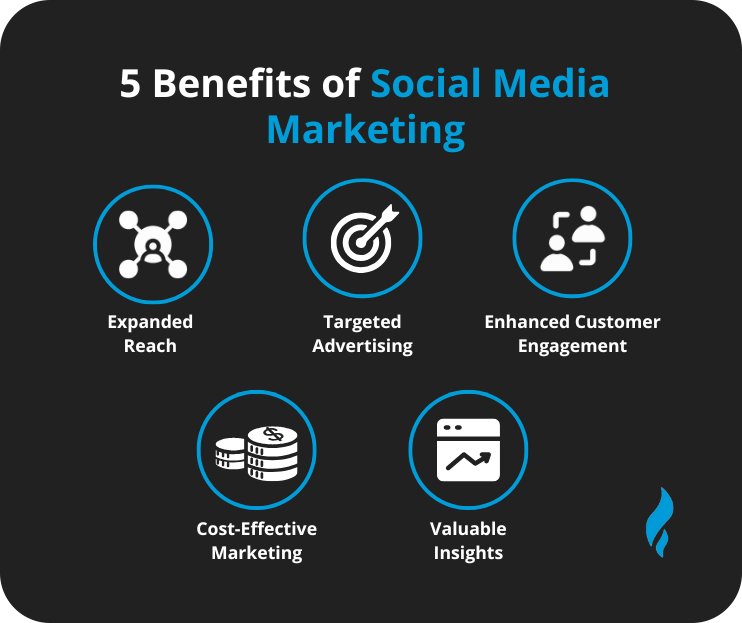
Social media marketing is the process of promoting your business to potential customers through the different social media platforms like Facebook, Instagram, TikTok, X (Twitter), LinkedIn, and more.
Emerging Social Media Trends:
- AI workflows and Creative acceleration
- Influencer Economy
- Short-form video dominance (like Instagram & TikTok reels)
Social Media Marketing Examples:
- Instagram carousel posts highlighting new product features
- TikTok videos demonstrating product hacks or tips
- Pinterest pins featuring product styling ideas
Social Media Marketing Benefits:
- A two-way communication channel between your brand and the target audience
- Build stronger connections with your audience
- Highly focused audience reach and follow-up campaigns
Pro Tips for Social Media Marketing:
- Use tailored content to match the preferred format of each platform. For example, reels work best on Instagram and TikTok.
- Plan and automate your posts with tools like Marketing Tank
- Respond to comments and interact with your audience consistently
SMM Metrics to Track:
You should track the following metric to measure the success of your social media presence:
- Engagement Rate: Likes, comments, shares, and saves per post
- Reach & Impressions: How many people see your content and how often
- Follower Growth: The rate at which your audience is increasing
- Click-Through Rate (CTR): Percentage of users clicking links in your posts
- Conversion Rate: How many social interactions lead to desired actions (sales, sign-ups)
- Social Share of Voice (SSoV): Your brand mentions compared to competitors on a platform
2. Pay-Per-Click Advertising (PPC)
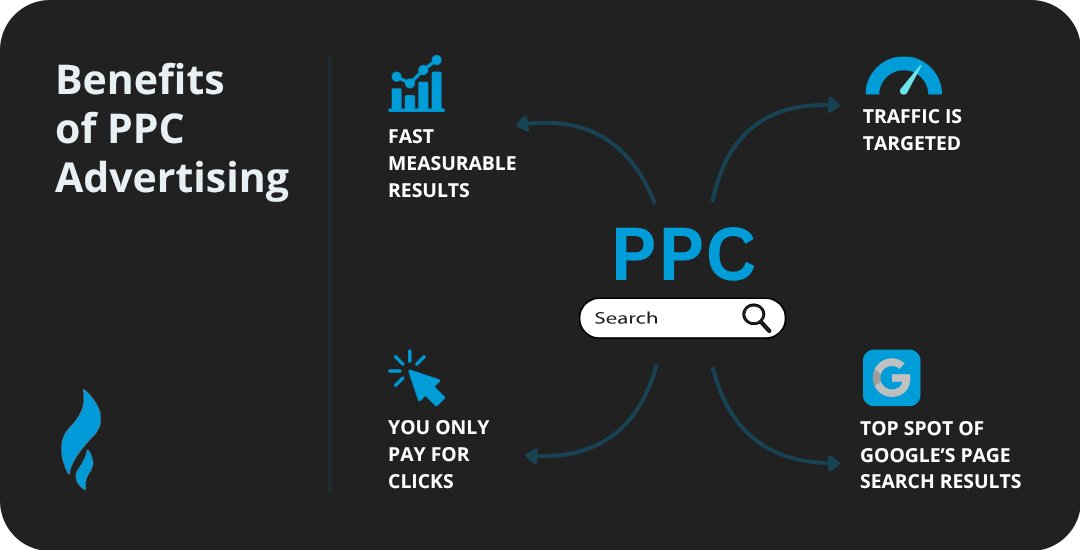
Pay-per-click advertising is a digital advertising technique used to ensure your website appears in the search results of consumers looking to purchase products or services your business offers.
Channels For PPC Ads:
- Search Engines (Google Ads, Bing Ads)
- Social Media Platforms (Facebook & Instagram Ads, TikTok Ads, LinkedIn Ads, X (Twitter) Ads, Pinterest Ads)
- Display Ads
- YouTube Ads
- E-commerce & Marketplace Ads like Amazon Ads
PPC Examples:
- Instagram Ads for a new cafe’s weekend brunch launch
- LinkedIn Ads for promoting a B2B software webinar
Benefits of PPC:
- Targeted audience reach
- Easy performance tracking
- Quick campaign adjustments
Pro Tips For PPC:
- Include dynamic keywords to boost click-through rates
- Regularly run A/B tests on your ad creatives
- Apply smart bidding and segment your audience effectively
PPC Metrics To Track:
- Click-through rate (CTR)
- Cost per click (CPC)
- Conversion rate
- Return on ad spend (ROAS)
- Quality Score
- Impressions and impression share
3. Content Marketing
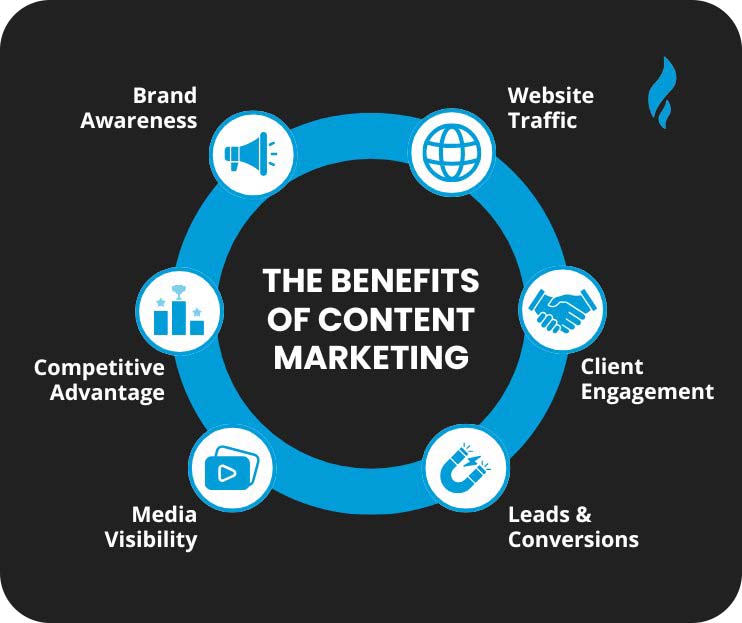
Content marketing is the use of content to market your business. It is the way that people get to know your business. Content is anything that you create that users interact with. They consume your content, trust you as an authority, and are more likely to do business with you.
Content Types:
- Blog Posts / Articles
- Social Media Content
- Videos
- Infographics
- Ebooks / Whitepapers
Content Marketing Examples:
- An infographic showing “The Customer Journey in 5 Steps.
- An ebook guide on “Mastering Social Media Advertising for Small Businesses.”
Benefits Of Content Marketing:
- Strengthens brand credibility
- Improves search engine visibility
- Captures attention and educates your audience
Pro Tips For Content Marketing:
- Organize content around main topics and related subtopics
- Transform existing content into different formats using AI tools
- Combine your content strategy with email newsletters and social media posts
Content Distribution Platforms:
- Website / Blog
- Social Media Platforms
- Email Newsletters
- Quora, Reddit
- Medium, Vimeo
- YouTube / Video Platforms
4. Search Engine Optimization (SEO)
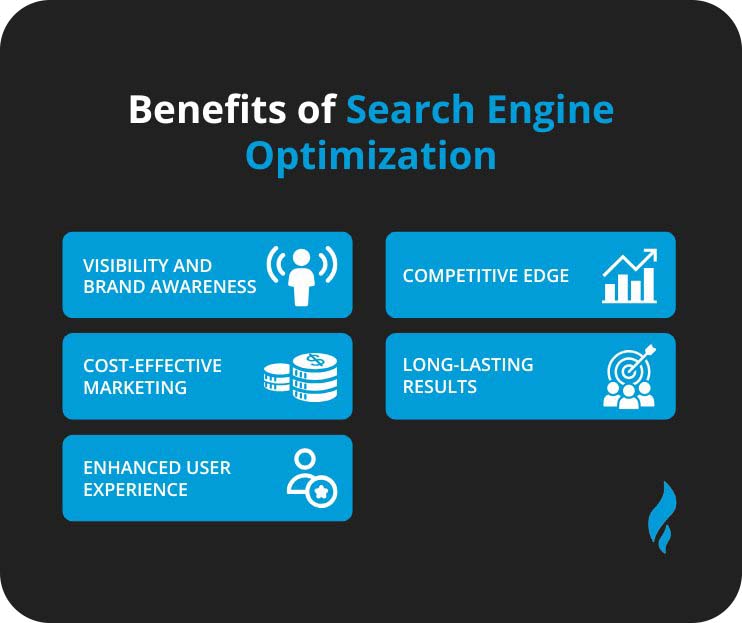
SEO stands for Search Engine Optimization and is the all-encompassing process of helping your website rank higher in the search engine results. Google has to make a decision on which websites to show when you search for something.
Google looks at hundreds of indicators that are called ranking factors. SEO is the process of optimizing your website to account for these factors so that when someone searches for something related to your business, your website appears at the top.
Types Of SEO:
- On-Page SEO: Optimizing elements on your website like content, images, & meta tags
- Off-Page SEO: Actions outside your website, like backlinks and brand mentions
- Technical SEO: The technical structure of your website helps search engines crawl and index pages
- Local SEO: Optimizes your site for location-based searches.
Search Engine Optimization Examples:
- Technical SEO by improving site speed and mobile usability for an online store
- Content SEO by creating an in-depth guide on “How to Start a YouTube Channel in 2025.”
Benefits Of SEO:
- Better user experience and site navigation
- Increased brand visibility in search results
- Higher conversion rates from targeted traffic
- Competitive advantage over businesses not using SEO
- Improved local presence for location-based searches
Pro Tips For SEO:
- Focus on creating content that matches user intent, not just keywords.
- Regularly audit your site for technical issues like broken links and slow pages.
- Build high-quality backlinks from relevant and authoritative websites.
5. Email Marketing
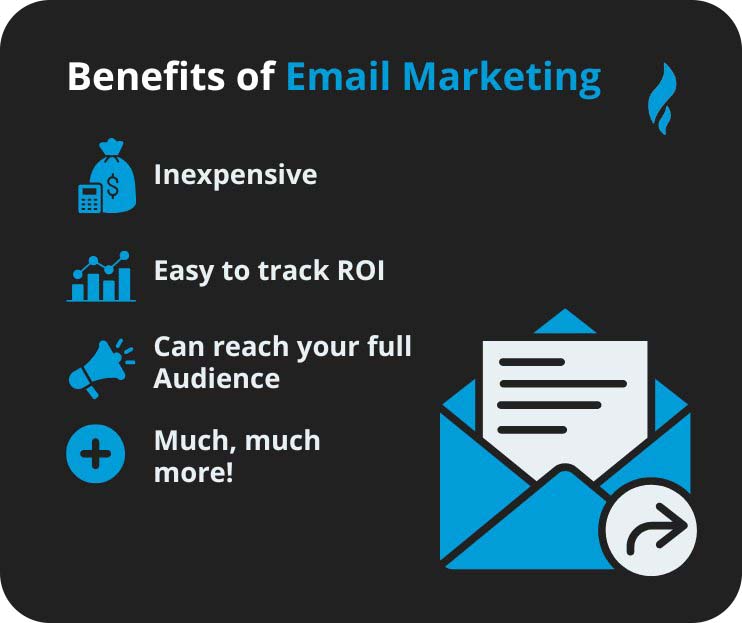
Email marketing is when you send emails to a subscriber list to promote your product or service and encourage customer loyalty. It is an excellent marketing tactic to generate positive ROI.
Types Of Email Marketing:
- Newsletter Emails: Regular updates sent to subscribers with news, tips, or content.
- Promotional Emails: Focused on sales, offers, or discounts to encourage purchases.
- Transactional Emails: Automated emails triggered by user actions on your site or app.
- Behavioral/Triggered Emails: Sent based on user behavior or interactions.
- Welcome Emails: Sent to new subscribers to introduce your brand and set expectations
Email Marketing Examples:
- Monthly newsletter with industry updates
- Limited-time promotional email for a seasonal sale
Benefits Of Email Marketing:
- Direct communication with your audience
- Cost-effective compared to traditional marketing
- Builds stronger customer relationships and loyalty
- Drives traffic to your website or online store
- Higher ROI through targeted campaigns
- Easy to track performance and measure results
Pro Tips For Email Marketing:
- Divide your audience into segments based on their interests or behavior
- Test different subject lines and calls-to-action to see what performs best
- Connect your email campaigns with CRM platforms like HubSpot or ActiveCampaign
Email Marketing Tools:
- Mailchimp
- Constant Contact
- ConvertKit
- Sendinblue
6. Influencer Marketing
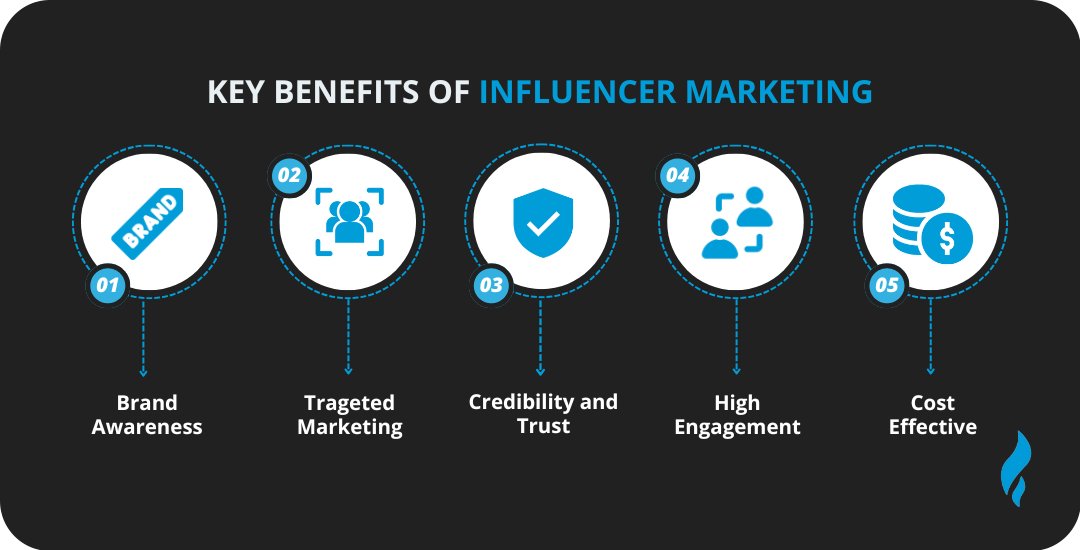
Influencer marketing is a strategy where brands partner with influencers on social media to promote products or services to their audience. This strategy uses the trust influencers have with their audience to improve brand awareness and drive sales.
Types Of Influencer Marketing:
- Sponsored content
- Product reviews and tutorials
- Brand ambassadorships
- Giveaways and contests
- Social media takeovers
- Collaborations
Influencer Marketing Examples:
- A fashion blogger styling a new clothing line
- A travel influencer sharing a hotel or destination experience
Benefits Of Influencer Marketing:
- Increases brand awareness
- Builds trust and credibility
- Reaches highly targeted audiences
- Increases engagement on social media
- Drives website traffic and sales
- Generates authentic content for your brand
Pro Tips For Influencer Marketing:
- Focus on long-term partnerships
- Track ROI using UTM parameters
- Choose influencers with aligned values
Influencer Marketing Metrics:
- Engagement rate (likes, comments, shares)
- Reach and impressions
- Click-through rate (CTR)
- Conversions and sales
- Follower growth
- Brand mentions and hashtags
- ROI (return on investment)
7. Affiliate Marketing
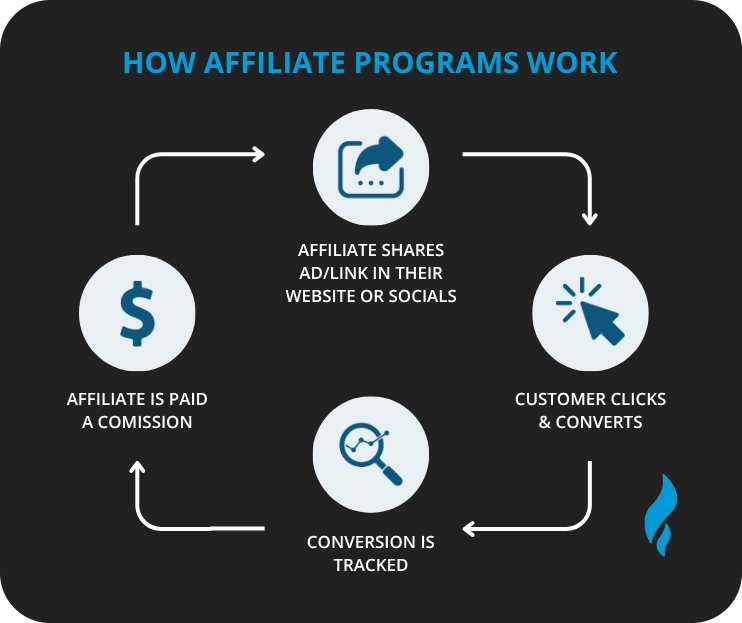
Affiliate marketing is a strategy where you reward partners (affiliates) for promoting your products or services. It relies on affiliates using their platforms and audience trust to generate results for your brand.
Key Platforms For Affiliate Marketing:
- Amazon Associates
- ShareASale
- CJ Affiliate (Commission Junction)
- ClickBank
- Rakuten Advertising
Affiliate Marketing Examples:
- YouTubers demonstrating products with affiliate links in the description
- Social media influencers sharing discount codes
- Email newsletters recommending products with affiliate links
Benefits Of Affiliate Marketing:
- Generates passive income
- Low startup and operational costs
- Expands your brand reach
- Drives targeted traffic to your website
Pro Tips For Affiliate Marketing:
- Choose affiliates that align with your brand
- Track performance using analytics and UTM links
- Provide high-quality creatives and resources to affiliates
- Promote products genuinely to maintain trust with audiences
Affiliate Marketing Tracking Tools:
- Google Analytics: Tracks traffic, conversions, and referral sources
- Tapfiliate: Cloud-based affiliate tracking and management
- Post Affiliate Pro: Comprehensive affiliate management and tracking
- Voluum: Advanced tracking for clicks, conversions, and campaigns
Benefits Of Combining 7 Types of Digital Marketing
- Consistent Brand Experience: You can combine the 7 types of digital marketing to keep your messaging consistent. This way, your audience gets the same impression of your brand across channels.
- Broader Audience Coverage: Mixing marketing types connects you with different segments based on where they spend time online.
- Accurate Performance Tracking: You can track results across various channels to make it easier to see which efforts drive conversions.
- Higher ROI Through Integrated Efforts: When strategies work together, they improve overall efficiency and help you get more value from your budget.
Example Strategy:
You can launch a product page (SEO) and drive traffic with Google Ads (PPC). Also, share your product clips on TikTok and Instagram (SMM). Run an email campaign to inform subscribers about the launch (Email).
You can also collaborate with creators for reviews (Influencer) and publish a blog for details (Content Marketing). The last step can be to provide referral links to partners (Affiliate).
Digital Marketing Tips For 2026
- AI-First Approach: You should use AI tools to analyze social data to personalize experiences and automate tasks.
- Optimize For Zero-Click Searches: Target SERP features such as AI overviews, featured snippets, and map packs.
- Prepare for Voice and Visual Search: Make your content discoverable through voice commands and image searches.
- Focus on Direct Customer Data: Collect customer data directly, as cookies are less reliable or mostly blocked in 2026.
- Prioritize Video Content: You should produce vertical videos that are suited for social media platforms.
Take The Next Steps
Now that you know all about the different types of digital marketing and how each can benefit your business. You’ll be able to make smarter decisions about what channels you use.
Being more strategic about your digital marketing channels and their strategies enables you to maximize your campaign results while optimizing your budget. When it comes to digital marketing, you don’t have to go it alone.
If you need some help getting started with your strategy or implementing effective campaigns. The digital marketing experts at LYFE Marketing are here to help.
If you still have questions about which digital marketing services might be right for you, don’t hesitate to reach out to our digital marketing agency. Contact Us Today!
Types Of Digital Marketing Services FAQs
What are the 7 types of digital marketing?
Social media marketing (SMM), pay-per-click advertising (PPC), content marketing, search engine optimization (SEO), email marketing, influencer marketing, and affiliate marketing are the 7 types of digital marketing.
What are the 7 pieces of digital marketing?
Product, price, place, promotion, people, process, and physical evidence are the 7 pieces of digital marketing.
What are the 7 pillars of digital marketing?
The 7 pillars of digital marketing are social media marketing (SMM), pay-per-click advertising (PPC), content marketing, search engine optimization (SEO), email marketing, influencer marketing, and affiliate marketing. These pillars work together to increase visibility, trust, and conversions.
What are the 7s of service marketing?
Strategy, structure, systems, shared values, style, staff, and skills are the 7s of service marketing.
What are the 4 types of digital marketing?
Social Media Marketing (SMM), Pay-Per-Click (PPC) advertising, Search Engine Optimization (SEO), and Content Marketing are the 4 types of digital marketing.
What are the 12 types of digital marketing?
Social Media, Email Marketing, PPC, Affiliate Marketing, SEO, Content Marketing, Video Marketing, Mobile Marketing, Influencer Marketing, Marketing Automation, Display Advertising, and Voice Search Optimization are the 12 types of digital marketing.
What is the 3-3-3 rule in marketing?
The 3-3-3 rule is a marketing framework that focuses on three core messages, three target audience segments, and three marketing channels. This simplifies campaigns, maintains focus, and delivers consistent communication across platforms.
Other Small Business Digital Marketing Resources
- What Is The Meaning Of Marketing Services?
- What Is The Average Marketing Cost For A Small Business?
- What Is The 3 3 3 Rule In Marketing?
- Why Digital Marketing is the Key to Success for Your Business
- Why the Role of Digital Marketing is Vital to Your Business Growth
- Digital Marketing Best Practices That Lead to Small Business Success
- The Importance of Digital Marketing: Top 10 Reasons You Need It
- Top 10 Benefits of Digital Marketing & Why Digital Marketing is a Must for Every Small Business
- 7 Ways of Digital Marketing Best for Driving More Sales
- What is Digital Marketing? Here’s Everything You Need to Know

