



Do you want to improve your social media marketing strategy? You need a clear social strategy to focus on what matters and cut out what doesn’t support your goals. We’ve created a complete guide to building a social media marketing plan.
You can use this guide to create your social media strategy from scratch or improve your existing strategy for 2026.
Social media marketing is a type of digital marketing in which you use social media platforms to promote your brand and sell your products or services. This takes more than creating an account and posting at random.
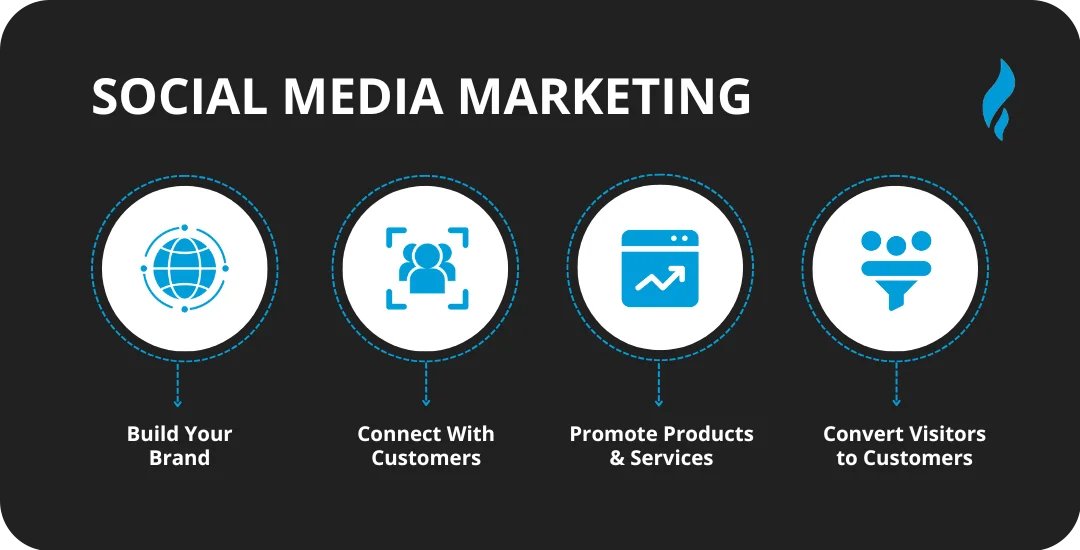
For example, when you promote products online and engage with your customers by sharing their content, it reflects on your brand values; it is social media marketing.
You need some management skills and tools for social media marketing. Like any other part of your marketing strategy, you need a clear plan for social media marketing.
Learn more about:
Social media marketing is generating more revenue for small businesses compared to traditional marketing. This is because there is a rise in the use of social media as search engines, and people of all ages are engaging with brands on social media.
Social media users now use Instagram to find their next purchase, and short video marketing is more popular than ever. In the creator economy of 2026, influencer marketing will play a bigger role in multi-channel campaigns for your brand.
You have to use edutainment content that educates and entertains your audience to increase social media engagement. For example, we helped an event-based company increase their leads by promoting educational content that resonated with their target audience.
A social media marketing strategy is a detailed plan that aligns your social media efforts with your goals and business objectives. This makes sure that your efforts deliver measurable results and support your marketing goals.
You can use a well-defined social media marketing strategy to set boundaries for your skills. While many people use social media, that doesn’t mean they have the expertise to manage it effectively.
Social media managers are asked by stakeholders to share content that doesn’t align with the marketing strategy or the target audience. But they have to prove social media ROI to showcase the results of their efforts. A clear social media strategy and metrics make both tasks easier.
You can also use a social media management tool that provides features like social media scheduling tools and social listening, but it takes a social media expert to interpret results.
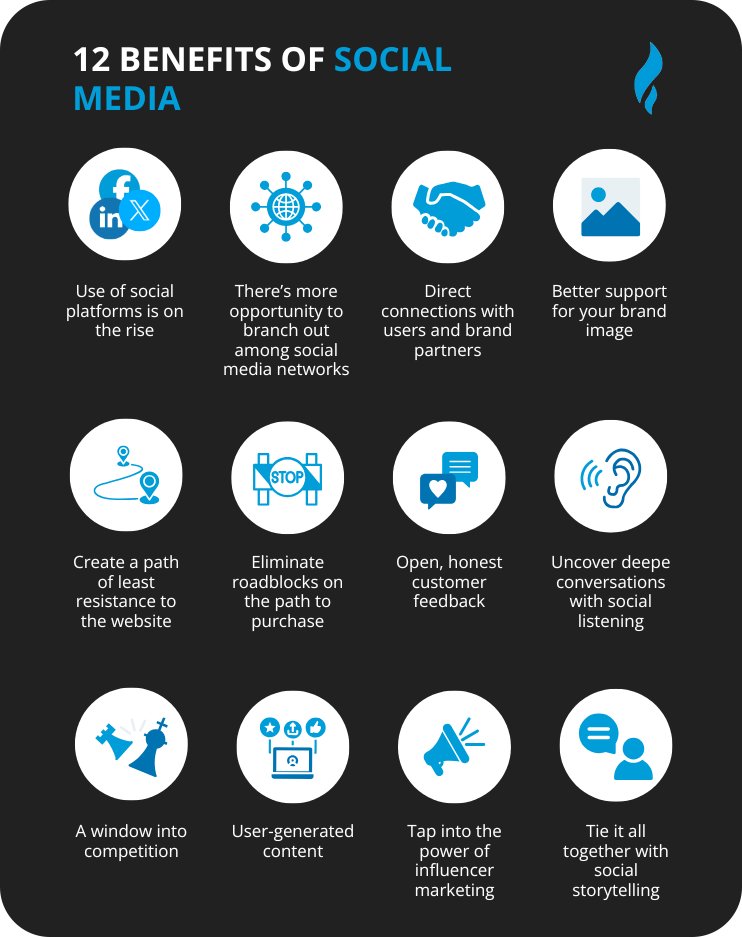
Building a sustainable social media strategy means knowing current social media best practices and the social landscape that LYFE Marketing has gained with 13 years of experience in social media marketing.
You need to explain the benefits of a cohesive social media strategy to get the support you need to execute it. Here are the benefits of a well-defined social media strategy for your business:
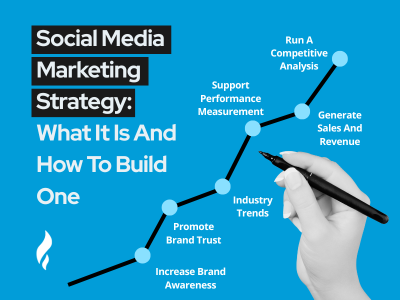
Increase Brand Awareness And Engagement
90% of the audience uses social media to follow cultural moments and trends. A cohesive strategy gives your brands the consistency you need to build a clear identity and connect with your target audience. You can use a successful social media marketing strategy to increase your brand awareness and engagement.
Promote Brand Trust And Authenticity
Marketing on social media can increase your brand trust and authenticity. You can benefit from social selling because 78% of customers trust online brands with a good social media presence and purchase from them and this trend is even higher in Gen Z.
The content you share drives the trust. Social media users want authentic content from online brands. The best brands on social media know this and share authentic content that resonates with their audience.
Support Performance Measurement
A social media marketing strategy provides the framework to demonstrate return on investment (ROI). You can track social media KPIs without it, but it’s difficult to justify how your marketing efforts support your business goals.
For example, an automotive brand that wants to grow their market share among young parents can target them and track performance over time.
They can use social listening tools to measure their share of voice in the market and understand where they stand in the competition.
Generate Sales And Revenue
Social media is the leading channel for product discovery in 2026. 81% of the customers look for a product on social media before purchasing.
Social media can support your sales funnel marketing because of social commerce. B2B brands can also use social media for leads and pipeline growth. For example, we helped BakeDeco generate 1,087 purchases using social media in just 90 days.
You can use social media marketing in all industries to grow your business, build a brand, and connect with your target audience. Social media advertising platforms can help you increase brand awareness and create trust for long-term growth.
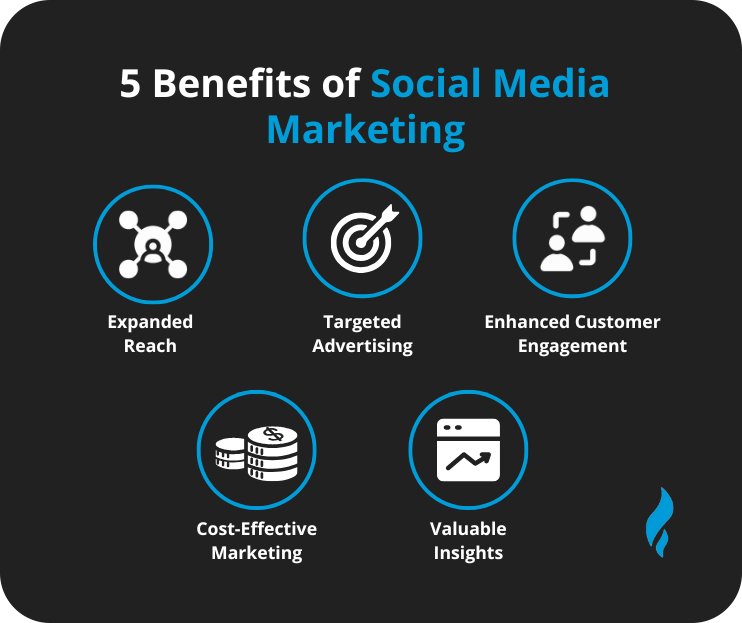
B2B social media marketing can help you gather real-time social data that you can use to understand your target audience. These insights guide your decisions to reach your target audience at a lower cost than traditional marketing.
LYFE Marketing helped Wrecked Angles generate over 1,00,000 new followers and increase their reach and engagement with social media targeting.
Engage Social-Savvy Customers
Social media has changed how customers interact with businesses. Online audience uses social media for news, entertainment, and engaging with brands.
You can partner with influencers and content creators for user-generated content to increase customer engagement. The best part is that social media works equally well for both B2B and B2C brands.
Find Real-time Industry Trends
Social listening provides valuable business insights through real-time, unfiltered conversations between consumers and brands. You can use this social data to spot social media trends and find areas to improve your brand positioning.
Your brand can use social listening to track audience sentiments and customer conversations about your brand. This can help you detect negative mentions in comments and DMs to protect your brand reputation.
Run A Competitive Analysis
You can use social media to study your competitors. Use a social media audit to compare your content strategy with your competitors and industry. This helps you find opportunities to test new content or online advertising.
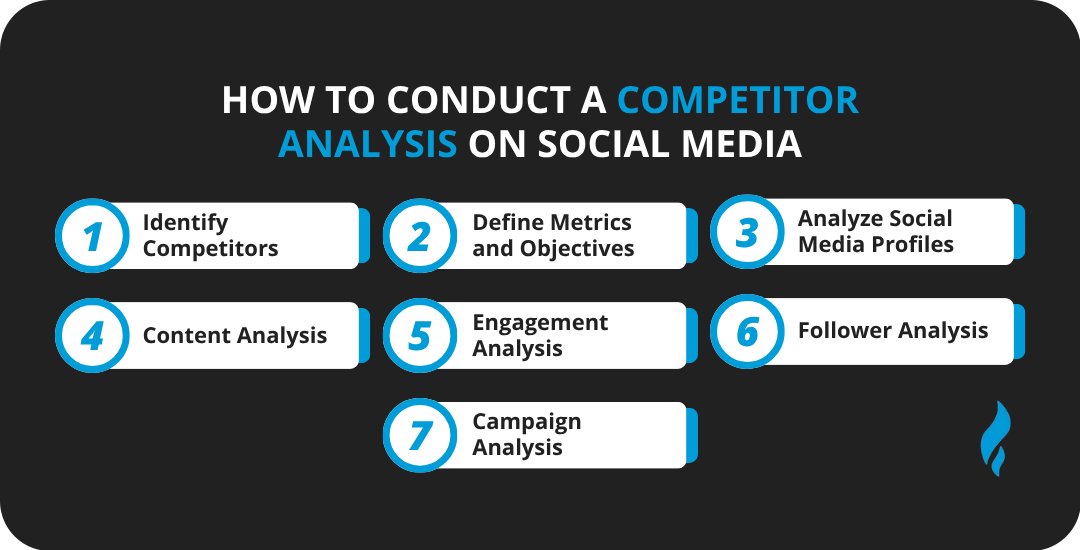
For example, if you excel with Facebook Ads but have a weak Instagram presence, you can use influencer marketing or a social media campaign to catch up. You can also find which of your content gets the most engagement and double down on that for even better results.
Provide Better Customer Service
Social media users want fast and genuine responses from brands when they contact them for questions or complaints. Your business should provide social customer service to build a lasting relationship.
53% of brands include customer service in their social strategy; you should also use it to provide a personalized user experience and engage with customers in meaningful conversations.
Improve Your Brand Reach And Engagement
You can also use social media marketing to increase your brand engagement by sharing content that resonates with your audience and through employee advocacy.
Social data shows that employee posts on social media generate 8 times more engagement and 20 times more reach than brand content in organic social media marketing.
Attract More Top-of-funnel Leads
Social media can help your business generate more top-of-funnel leads. Users go online to search for stuff they want to learn about or purchase in the future.
You can use social media to create content to educate them and familiarize them with your brand. Paid ads and content promotion can increase brand awareness and attract more leads.
A good social media presence will introduce online audiences to your offering and lead them to sales. Even if they do purchase right away, awareness can turn them into customers later.
Boost Visibility And Traffic With Social Media
You can post on social media channels to show that your business is active online and value customers. This can also increase your visibility in search engines and drive social media traffic.
Instagram posts are now indexable on Google, and you can use them to rank on Google without even needing a website. You can also rank in social media search engines to drive traffic and leads. Schedule your posts for the best time to post on social media to drive even better reach.
Now that you understand social media marketing can grow your business, here is a 6-step process to develop a social media marketing strategy that will generate measurable results:
Step 1: Set Your Goals And Establish KPIs
You need clear goals before working on the social media strategy. Your goals will drive the actions you take in your strategy and drive measurable results. Goals will also determine the KPIs you should track and how much time and effort you need in your marketing campaigns.
Social Media Goals Example For 2026
You should set realistic social media goals and break them into smaller objectives to move toward your eventual goal steadily and cost-effectively. Here are examples of social media marketing goals your business can aim for.
Goal Example 1: Increase Brand Awareness
You have to build brand awareness of your business to leave a lasting impression on your target audience. This will increase your repeat sales.
You have to measure your brand engagement and also track how your brand is perceived among your target audience compared to your competitors. Brand awareness is a long-term effort and can help you develop creative strategies that drive consistent engagement.
KPIs To Track: Impressions, follower growth, social traffic, social reach, social share of voice.
For example, Egyptian Magic collaborated with LYFE Marketing to grow their brand awareness. We reposted customer photos of Egyptian Magic to boost brand awareness and encourage other customers to tag the brand in their posts.
Our effective social media marketing strategy helped them generate over 15,000 new followers across four platforms, and they saw significant growth rates on each platform.
Goal Example 2: Drive Leads And Sales
Generating leads and sales means turning your social media presence into revenue. You can do it using social media advertising and by focusing on details like:
- Which content type resonates with your target audience
- How your sales funnel marketing on social media drives website traffic
- Which CTA (calls-to-action) works well on social media
Sales and leads are most important in social media for business because they drive real value and return on investment.
KPIs To Track: Email and newsletter sign-ups, sales revenue, cost per conversion
For example, we helped Ellura Advocacy generate 5,006 purchases and $253,038.23 in sales at $50.55 cost per acquisition with our social media advertising services. We used interest-based targeting to generate these results.
Goal Example 3: Improve Community Engagement
You have to build a relationship with your audience and start conversations to build a community and drive engagement. Track the likes and shares you’re getting.
They show you social reach and reveal how well your messaging and content strategy connect with your audience. Community engagement shapes your brand voice and builds meaningful connections through direct interactions with followers.
KPIs To Track: Likes, comments, shares, social mentions, clicks
LYFE Marketing helped Celebrate Relaxed Hair generate 2,125 conversions by targeting an engaged community around Celebrate Relaxed Hair and their hair tips for women with relaxed hair.
They got over 7,000 new followers and a 225% increase in website traffic and 432% increase in engagement. This shows how important community engagement can be for your business.
Goal Example 4: Increase Web Traffic
Not all your social media goals come directly from social media. You should track how your social followers act when they visit your site. Do they make a purchase or take another action?
You can use this to measure social ROI and see which channels and content drive the most revenue or results you want.
KPIs To Track: Social link clicks, email sign-ups, newsletter sign-ups, traffic
There are many ways to increase website traffic, but you want relevant traffic to your website that will convert into customers. For example, our social media marketing strategy for StreamShift successfully increased their traffic and also 65,029 link clicks for them at a click-through rate (CTR) of 13.85%.
Goal Example 5: Grow Your Brand Audience
You have to grow your brand audience; it is a common goal for social media marketing. Your business can do it by identifying the best time to post for your audience, content that resonates with your audience, and creating campaigns to grow your followers.
KPIs To Track: Follower growth, social share of voice, brand mentions, engagement rate.
For example, we helped Domino’s Pizza increase their Facebook audience by 197.87%. They got over 3,000 new Facebook followers and also saw a 137% increase in Facebook post engagement.
Goal Example 6: Manage Brand Reputation
Social media marketing can build trust in your brand, and reputation metrics are similar to those of brand awareness. You can use social listening to track conversions about your brand and avoid any social media fails.
This can help you create an effective online reputation management strategy and see where your brand stands in among the competitors.
KPIs To Track: Follower growth, reach, brand mentions, social share of voice, audience sentiments.
For example, Harvey’s Market had never run ads or actively maintained their social media presence, making it difficult to connect with an audience and build brand reputation.
LYFE Marketing’s tailored social media marketing strategies helped Harvey’s Market enhance their brand reputation by
- Building a strong online presence
- Engaging with the community
- Differentiating them in a competitive market
This increases their Facebook reach by 7.3M% and a 100% increase in Instagram engagement.
Step 2: Research Your Target Audience To Select Your Platform
You have to understand your audience and identify the platforms they use to market to them effectively. The platforms your audience is most active on should be a part of your social media marketing strategy.
You can use demographics and benchmark data to see where your target audience is most active. But you also need to understand the nuances of each platform to choose the right platforms for your business.
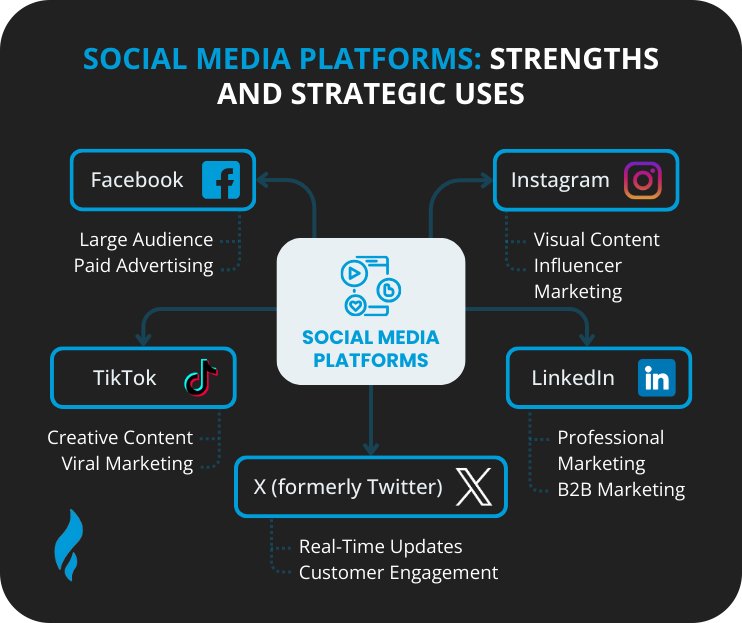
You can gather insights from these platforms to shape your social media strategy. Here’s a quick overview of the major social platforms:
Facebook is the biggest social media site with an audience base of over 3 billion. It’s an ideal platform to grow through social advertising with extensive targeting options and capabilities.
You can target different groups of people effectively with Facebook. You can reach a cold audience (those who haven’t heard of your brand) by targeting interests, behaviors, and demographics.

The best part is that you can also retarget a warm audience (people who know your brand) to encourage them to buy again. Our Facebook advertising services can improve your return on investment (ROI).
Instagram is a growing social media platform owned by Meta, so Instagram ads are set up using Facebook’s ad manager. The features available on Facebook are extended to your audience on Instagram as well.
Instagram has over 2 billion users, and you can use it to find your target audience and engage with them with highly visual content.
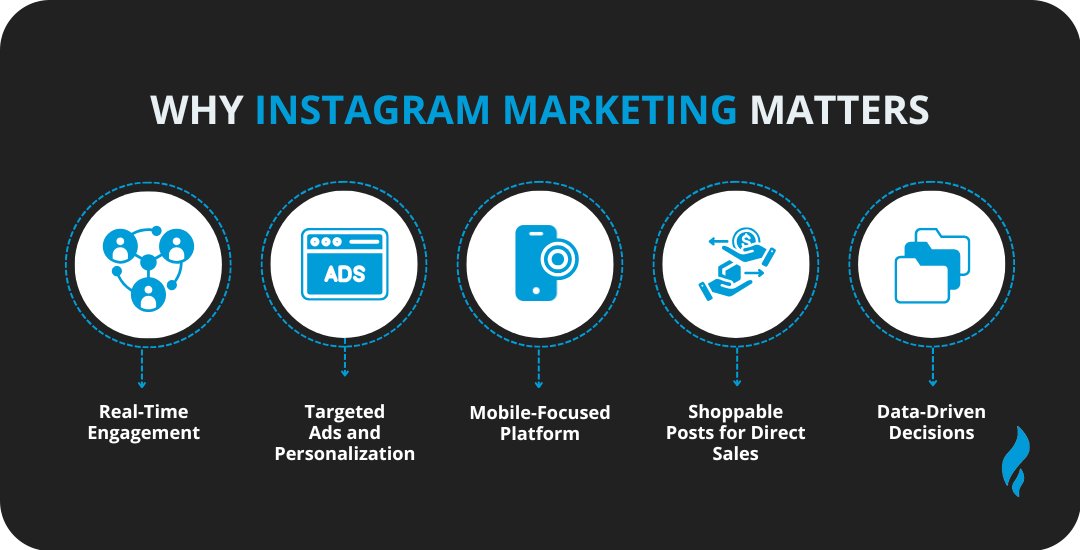
TikTok
TikTok has one of the highest engagement rates among social platforms. You can use TikTok to reach more customers at a low cost. The short-form videos and viral trends on TikTok drive high engagement and CTR, which can lead to more conversions.
The platform is known for attracting younger users, but Millennials, Gen X users, and older users all use the platform a considerable amount as well.
X (Twitter)
X, formerly known as Twitter, has 600 million active users, and its engagement rates tend to be lower. We would recommend exploring one of the other social media marketing platforms because it is not known for providing the biggest returns.
However, if you already have a big existing following on X (Twitter) or if it benefits your business to be a part of current conversations, then it may be worth marketing on the platform.
LinkedIn is a great social media marketing platform for B2B online marketing. You can use it to connect with professional networks and also establish your brand as an industry leader.
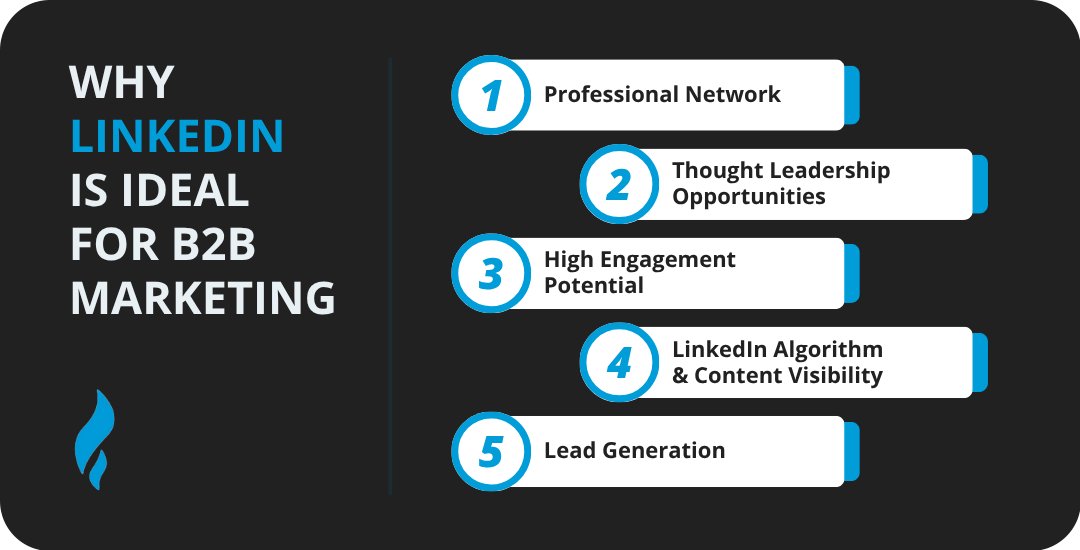
LinkedIn can grow your brand trust and credibility so, depending on the nature of your business or the goal, LinkedIn can prove to be the better social media platform for businesses.
YouTube
YouTube is the leading platform for long form content. You can use it to reach a bigger audience to advertise your products, services, or brand messages. We can help you go big on YouTube ads using video marketing.
This social media platform is best for longer format videos for detailed information or entertainment. The best thing about YouTube is its audience; YouTube has users of all demographics and lets you target niche markets by content categories.
Snapchat
Snapchat is a popular social media marketing platform among Gen Z and Millennials. You get a unique opportunity to connect with a hard-to-reach demographic that traditional platforms often miss. Its active user base makes it an ideal platform for targeting young people.

Snapchat focuses on disappearing content to create urgency and encourage engagement. It’s the first platform to use AR in social media ads. You can use Snapchat filters and lenses to create interactive and engaging content.
Pinterest is a great social media site for e-commerce store owners. It also doubles as a social media app and a search engine. Users go on Pinterest and search for the exact things they want to see: outfit ideas, travel guides, home decor, etc.
If you sell a product or service that’s highly searched for, you can pay for your aesthetic, beautiful ad to appear on the Pinterest feed for those relevant searches with Pinterest ads.
While Pinterest is smaller with 518 million users, the nature of the platform allows for the perfect blend of keyword search ads and a social media site.
So, you can ensure your ads are appearing when it counts: when the user is typing in a high-intent search.
How To Choose A Platform For Your Social Media Marketing Strategy
Business owners ask us: Which Social Media Should I Use? There are many social media platforms available, but you should focus on the ones that align with your industry and target audience instead of trying them all.
You should look into your social media marketing statistics and focus on platforms where your audience is most active.
Use the platform analytics to find more details about your audience and segment them for the best results. Analytics can help you decide if starting a new social media account is worth it. All of this data can shape your marketing messages, customer service approach, and social commerce strategy.
Step 3: Create Engaging Social Media Content
The effectiveness of your social media marketing strategy depends on your content. Here are some tips, ideas, and inspiration to guide your content strategy.
Define Your Content Strategy
Building a content strategy comes down to your goals.
- If you want to educate a B2B audience, share blogs, news, and relevant opinions related to your industry.
- If you want to promote e-commerce products, share action shots and photos of customers using them.
- If your focus is customer service, share tips, shout-outs, and brand updates.
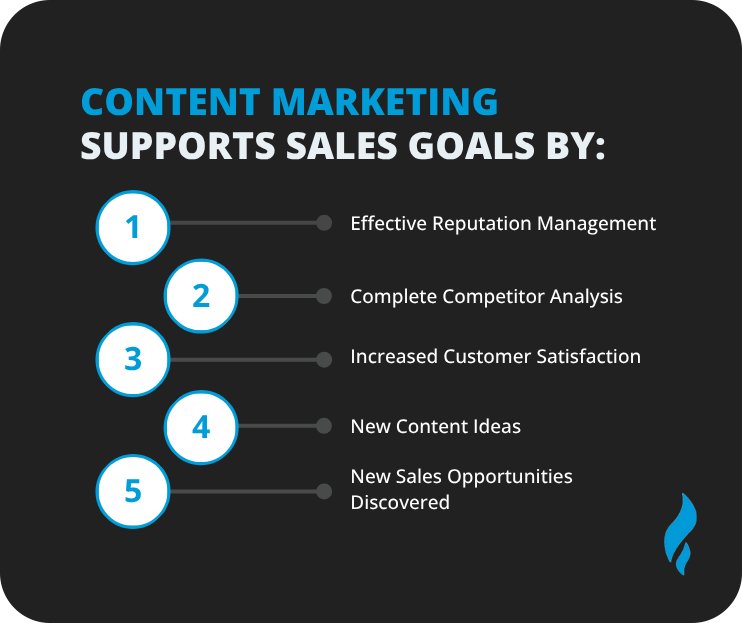
You can also add social media hashtags or a brand hashtag in your post to attract attention and encourage people to share photos of themselves engaging with your brand, product, or services.
Identify Your Brand Voice
You need a clear brand voice to stand out on social media. You’ve seen posts that instantly feel like they belong to a specific brand. Your brand content should feel the same.
For example, Discord is known for their witty tone on X (Twitter) that appeals to casual users (gamers) and moderators. Their brand voice sounds less robotic and more human.
But the same might not be true for your brand; it depends on your target audience, and you have to use a consistent brand voice and style that fit your business.
Make Timing Work For Your Strategy
You have to share fresh content regularly and be available for your followers. But the problem is that you cannot always match the schedule of your audience.
Smart social media marketing tactics, like posting at the best time based on the platform and your audience, can help you target a large chunk of the audience and increase your reach.
Post at peak engagement times and keep a consistent posting schedule to give a positive signal to the social media algorithm and increase your reach. You have to respond to customer comments fast to provide a personalized experience.
But if you have a small team, you can use AI chatbots and the best social media scheduling tools for help.
Use Short-form Video
Visual content generates the most engagement on social media. Particularly, short-form videos are the best for engagement. You should use Instagram and TikTok reels as part of your social media strategy.
The best part is that short-form videos don’t require a big social media budget; you can shoot them using your smartphone and go viral using social media marketing ideas that resonate with your audience.
Share The Human Side Of Your Brand
Personal and relatable content should be the core of your social media strategy. Social media users want original and entertaining content from the brand they follow.
You can show the people behind your posts to showcase the human side of your brand. For example, Duolingo is known for sharing fun content on Instagram and TikTok using reels that focus on their owl mascot.
Step 4: Collaborate With Influencers
Influencer marketing is an important part of any marketing strategy because of the boom of online creators. You can use it to drive website traffic, create engaging content, and generate sales.
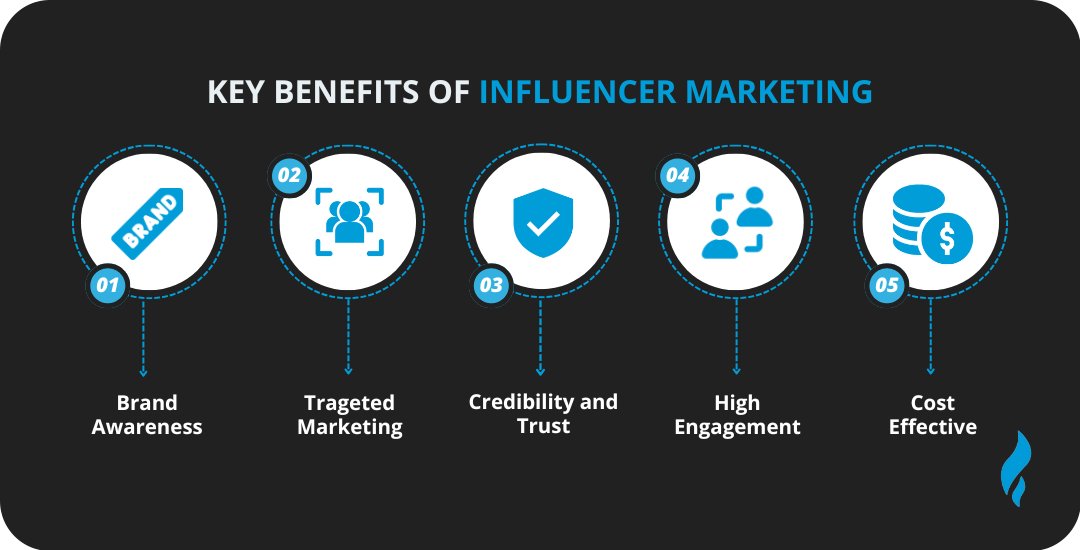
Social media users prefer creators who are credible and authentic, so you should partner with social influencers, keeping these facts in mind. You should partner with influencers who are relevant to your niche, industry, and audience.
What Consumers Want From Influencer Collaborations
Social media customers prefer sponsored posts or brand campaigns that share their values and appear authentic. They want unbiased and honest content and are least interested in aspirational content. Younger audience trusts influencers more, and authenticity matters less to them.
The Gen Z audience better understands the influencer-brand relationship and its impact on their buying decisions. But they are fine with it. They focus more on trust signals like follower count, posting frequency, and community loyalty.
Step 5: Bring Your Departments Into The Mix
Social media teams can help with social media optimization because they better understand customer sentiment. But their insights can guide more than just your marketing strategy. They can drive business growth with cross-department collaboration
Which Departments Can Benefit From Social Data?
Marketing leaders rank organic and paid social marketing as top priorities for their companies. But don’t try to do everything at once. Start where you can make the biggest impact. Here are a few ideas to get your strategy moving:
Human Resources
You can work with HR on social-first employer branding to speed up hiring and attract more qualified candidates. Use social recruiting, like posting creatives on social media platforms like LinkedIn, to reach top talent.
Sales
You can track conversations and sales from social efforts to link your efforts of using social media for marketing with your business goals. Share these insights with sales teams will help them work smarter in the digital space.
Learn More About: How To Increase Sales On Social Media
Product Team
When you manage your social inbox, you’ll see requests from customers asking for new features and product requests. Social media management can turn those messages into actionable insights for your product teams to improve your product, keeping them customer-focused.
Customer Care
You should track customer service metrics to help your social customer care team see what’s working and where they need to improve. Track metrics like wait time, average reply time, and response volume. You can also use social media customer service tools to improve your customer support.
Step 6: Improve Your Social Media Strategy
You now have a clear overview of your social media strategy, but don’t stop there. You have to adjust your marketing strategy to keep up with trends throughout the year.
Ongoing analysis can help you track your social media marketing campaign and social media activities to track top-performing content and adjust campaigns when performance drops.
Social media involves trial and error, and you can track campaign metrics in real time to make small, effective adjustments instead of having to make time-consuming changes later on.
You need careful data management for effective social media marketing. Use social insights to optimize your current campaigns and guide your next strategy. You have to monitor social media marketing trends and your growth to stay relevant in the market.
Also gather social data to make data-driven decisions for measurable results from your social strategy. Need help? Work with an expert social media marketing agency like LYFE Marketing to make sure you need your marketing goals.
You need careful planning, execution, and ongoing optimization to maintain your social media strategy. Here are some areas you need to focus on to make sure your strategy remains effective over time:
1. Get Leadership on Board for Social Media Success
You have to get leadership buy-in for the success of your social media strategy. Your social media strategy should show clear and data-driven results to show the impact on the business.
Here is how you can do it:
- Showcase ROI: You can track customer sentiment and competitors with social listening to prove the impact of your effort on your business.
- Make It Simple: Offer curated content and ready-to-use posts to streamline their involvement
- Show Thought Leadership: You should position your executives as industry leaders by featuring their insights and personal perspectives on LinkedIn or other social platforms.
- Link It To Employee Advocacy: Your executives should respond to comments and join conversations to reflect company values. You can increase advocacy by encouraging your employees to share pre-curated brand content.
2. Align Your Social Media Goals And KPIs
Define what social media success means for your business. Is it brand awareness, engagement, lead generation, or conversions? Stay on track with your social media goals by tracking the right KPIs and metrics. Clear goals can help you align your efforts with your goals to move in the right direction.
3. Take Your Influencer Marketing Further
Social data show that 49% of social media users buy at least once a month due to influencer posts. You can use influencer marketing in your strategy for success with sales on social media.
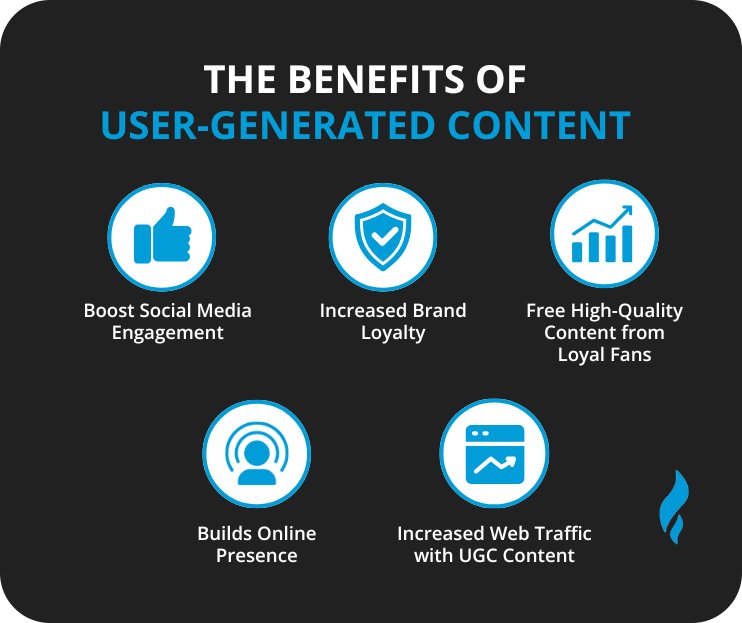
Partner with the top influencer marketing agencies to maximize your influencer ROI. They help you find niche influencers in your industry, collect your social data to simply analyze and track the revenue of your influencer campaigns.
4. Use Automation & AI
AI can streamline your workflows by tracking sentiment, automating posting, and content creation. You can use platforms like Marketing Tank to automate your reporting, track performance, and deliver precise data.
AI chatbots can also help by sending automatic follow-ups to support your customer service. You can collect social media marketing data from these chatbots to make data-driven decisions and improve your customer experience, and spot changing audience preferences.
5. Track Analytics To Prove Social ROI
Social media marketing provides you with audience demographics and campaign metrics so you can stay aligned with your marketing goals. These metrics can help you turn engagement into results like leads and sales to increase social ROI.
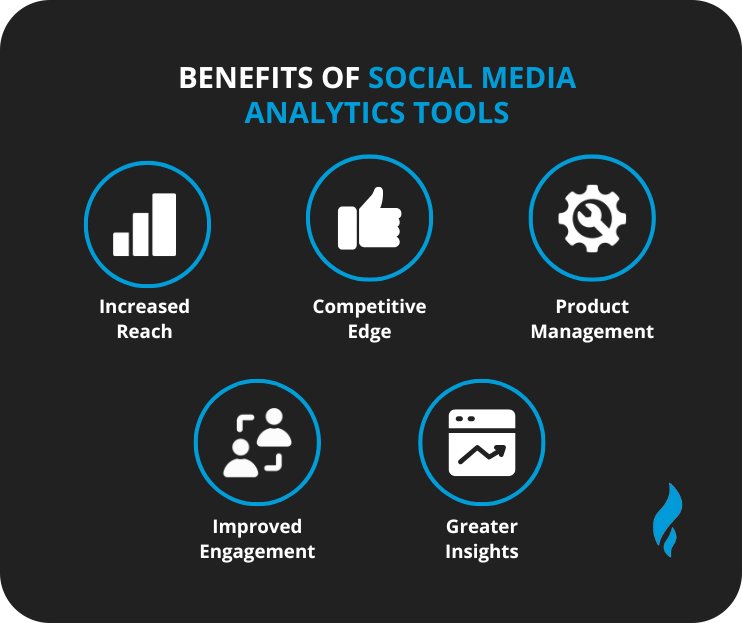
You can find these metrics using social media analytics from social platforms, and also use platforms like Marketing Tank to collect Analytics from a single dashboard.
6. Use Audience Segmentation
You can use social media marketing to track your audience, segment them, and provide a personalized experience to generate better results. The best part is that you don’t have to do this all manually; use AI tools like Marketing Tank to automate the process.
You can target users by interests, demographics, or behaviors, and use custom or lookalike audiences to reach the most relevant audience that will be interested in your brand.
Define your ideal audience personas and optimize your campaigns to provide a customer journey and increase your ROI with better audience alignment.
7. Optimize Your Content Strategy
UGC content and success stories generate better results and higher engagement on social media. You should use content that resonates with your audience to drive the action you want them to take.
Track your brand mentions to find positive customer interactions and repost them to build trust. Use brand hashtags and user-generated content in your campaigns so your audience can relate to them and take the right action.
Also, use a content calendar to keep a consistent posting schedule and improve your social media presence.
Pro Tip: You can repost evergreen content to keep your feed active.
8. Prioritize Social Customer Care
Your brand should respond to customers on social media fast. 73% of your potential customers will switch to your competitors if you don’t. This is not an optional thing, because customers expect it from online brands.
Social media users want a response within 24 hours or less. Your social media team needs to stay ahead and respond quickly to meet customer expectations. Here’s how you can do it:
- Post educational content about your products or services
- Share FAQs and help center links for quick answers
- Respond to complaints, questions, and concerns on social platforms
- Engage with customers at every stage of their journey
Customer care overlaps with both marketing and support. Giving your social team the right tools and support can improve service, boost marketing, and build brand loyalty.
9. Build Community To Engage Your Audience
Your business needs to engage with its audience online to build a community. This can help you generate leads and sales and increase your brand trust and authority.
Duolingo joined TikTok in late 2021 and gained over 2 million followers and 50 million likes in just a few months because of their strong community from other platforms. They use humor, viral trends to highlight their playful brand voice, interact with users, and stay part of conversations.
For example, when the audience jokes about their owl mascot being intense or threatening, they reply in character to keep the engagement going. This shows that you don’t need to focus on products in community conversations.
You can use non-product posts to gather valuable insights into what your audience wants.
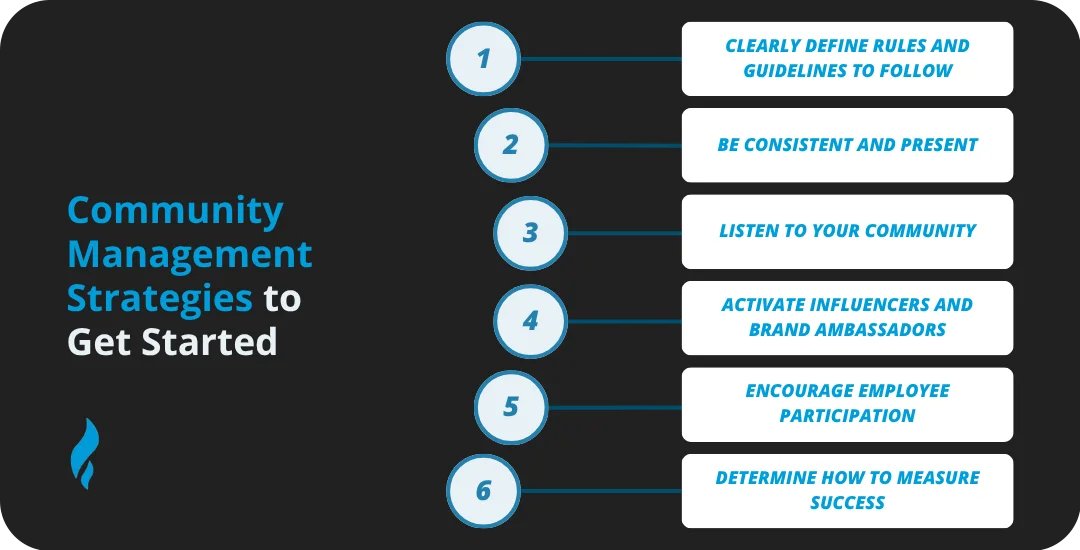
Try social media community management to create a space for meaningful interactions and stay connected with your target audience. But building an active social community takes time. Be it on TikTok comments, Facebook Groups, or Instagram Broadcast Channels.
You should launch new programs or communities with a slow, steady, and strategic approach. Start with an invite-only or beta program for loyal customers and invite users to test your strategy. If it works, open it up to a wider audience.
10. Analyze And Refine Your Social Strategy
You can’t set and forget your social media marketing strategy. It requires you to track your efforts to understand what works and what doesn’t. You have to analyze your content performance and use the insights to improve your strategy.
A simple process can be to test ad creatives, captions, and posting times and optimize them to better align with your target audience. Social media algorithms also change often. You should monitor algorithm updates and adjust your strategy to follow best practices for improved performance and visibility.
If you want help in creating a solid social media marketing strategy that is authentic and transparent. Be sure to visit our social media marketing services page. Or, reach out to us today to get started!
What marketing strategy is social media?
A social media marketing strategy is a detailed plan that aligns your social media efforts with your marketing goals and business objectives. You can use it to make sure your efforts deliver measurable results and support your marketing goals.
What is the 5 5 5 rule on social media?
The 5 5 5 rule on social media suggests that you should share 5 posts from others, engage with 5 followers, and post 5 original pieces of content each day to improve visibility and engagement. You can use it to balance content creation and interaction.
What is the 50 30 20 rule for social media?
The 50 30 20 rule for social media suggests that 50% of your content should inform or educate, 30% should entertain or engage, and 20% should promote your brand or products.
What are the 7 C’s of social media strategy?
The 7 C’s of social media marketing are community, content, curation, creation, connection, conversation, and conversion. You can use them to create an effective social media marketing strategy.
Other Social Media Marketing Strategy Resources
- The Best Brands On Social Media In 2026
- Develop a Head-Turning Social Media Content Strategy
- Why an Effective Social Media Marketing Strategy is Important
- 5 Reasons Why Your Social Strategy Isn’t Working
- 5 Steps to Create a Social Media Marketing Strategy in 2026
- Marketing on Social Media: How to Develop a Social Media Strategy [Step by Step]

