




User-generated content or UGC is a great way to drive more sales for your business while simultaneously gaining valuable content without the need to create it yourself.
Let’s see what user-generated content (UGC) is and how to use it to grow your social media presence.
What Is User-generated Content?
User-generated content (UGC) is content about a brand that is created and shared by customers or contributors, not the brand itself.
This content can be in various forms, such as testimonials, forum posts, videos, blog posts, photos, or comments on social media or websites.
Unlike traditional advertising or media, where information flows from one source to many receivers (like a TV commercial or newspaper article), UGC is decentralized and comes directly from customers.
Many small businesses use UGC by encouraging their customers to share experiences or thoughts about their products, which the brand can then republish or promote.
This approach helps brands build credibility and foster community engagement while reducing content creation costs.
Why User-generated Content Is Important?
The growth of social media has amplified the impact of user-generated content (UGC), as consumers now create and share brand-specific content that feels authentic and relatable.
This type of organic content helps to engage new buyers as people trust content from real users over traditional advertisements.

Let’s look at how UGC campaigns can help you with social media marketing.
Authenticity
User-generated content (UGC) builds credibility through real reviews, testimonials, and customer experiences, offering an authenticity that traditional brand messaging often lacks.
UGC campaigns expand social media reach and growth, as buyers are more receptive to recommendations from actual users than direct brand promotions.

When Apple launched the iPhone 6, they encouraged users to capture everyday moments using their phones and share them with the hashtag #ShotOniPhone6.
Apple then selected standout images to feature across global print and digital media, for positive attention and to reinforce the product.
Brand Loyalty
When customers create content for UGC campaigns, it strengthens brand loyalty because the content comes from real users, not brand representatives.

By encouraging customer participation and putting the audience at the forefront, businesses build trust and a brand image that resonates with their audience.
Cost-effectiveness
User-generated content (UGC) offers a budget-friendly way for brands to promote themselves without the high costs of traditional advertising, like TV commercials.
User-generated content is created by unpaid customers who genuinely want to share their experiences, connect with others, or sometimes enjoy small perks.
This organic content helps businesses build credibility and reach a bigger audience without heavy spending.
SEO Boost
Positive customer reviews and user-generated content (UGC) can significantly boost organic search engine optimization (SEO).
User-generated content on blogs, for example, includes backlinks to product websites, improving domain authority and search visibility.
You should analyze the keywords and phrases in customer reviews and posts to adjust your keyword strategy to better match what consumers are searching for.
User-generated content works for any company, regardless of size, industry, or products. From luxury items to everyday goods, UGC campaigns can resonate with all types of audiences.
Types Of User-generated Content
There are two main types of user-generated content including organic UGC and paid UGC.
Organic UGC
Let’s look at the details: Organic user-generated content is the content that real customers share from their personal accounts. Organic UGC can be in one of the following formats.
1. Reviews and Testimonials
Online reviews are a type of organic user-generated content and they can be positive feedback and ratings. They work as social proof when shared on your website or social media.
Businesses can also turn testimonials into graphics to post on social platforms to show customer satisfaction and build credibility.
2. Photos
Customer photos are a popular form of UGC, often showcasing individuals using or enjoying a product. You can encourage customers to share these images with a specific hashtag, making it easy to locate and reshare them on social media platforms for businesses.
3. Videos
Videos on social media and YouTube are effective forms of UGC. YouTubers create product haul videos featuring multiple brands; you can share these videos or snippets that mention your brand to highlight customer experiences with your products.
4. Social Media Content
Social media content can be tweets, Instagram posts, or Facebook updates. Even a brief positive mention can serve as valuable content for resharing. This strategy not only enhances your brand’s visibility but also demonstrates appreciation for your customers’ feedback.
5. Blog Posts
Blog posts can also feature your brand or product, either as a dedicated review or a brief mention within a larger discussion.
Highlighting quotes or excerpts from these posts on your social media or website can increase exposure and reach a wider audience. These mentions not only spread awareness but also reinforce credibility through third-party endorsements.
Paid UGC
Paid user-generated content (UGC) is becoming increasingly popular among newer brands that lack sufficient organic content from customers.
Unlike traditional influencer marketing, paid UGC campaigns are created by UGC creators who generate content naturally and receive compensation for their work.
Brands can connect with User-generated content UGC creators through platforms like Fiverr or Upwork, or creators may approach the brand directly if they already have a following.
Once a partnership is established, the content produced can be shared on your website or social media as user-generated content, effectively enhancing brand visibility and engagement.
How To Get User-generated Content Into Your Marketing Strategy
There are a few ways to get user-generated content into your marketing strategy.
Method #1: Host A Giveaway
Host a giveaway with the following requirements to enter:
- Follow you
- Post a picture of your product with your brand tagged in the photo
- Use a giveaway-specific hashtag in the caption.
Check out this post next to learn more tips on running an Instagram giveaway and contest.
Method #2: Simply Ask For Them
Make your own post, reel, and story saying that you’ll repost user-generated content.
Something like, “Do you want to get featured on our page? Be sure to tag us in your posts with [insert product name here].”
Method #3: Call On Your Friends And Family
Have them upload photos with your product for you to repost to get the ball rolling on that social proof.
This will also show people that you feature customers on your page which will encourage others to start tagging you.
Method #4: Partner With A Few Influencers
If you have the budget, partner with a few influencers who will publish sponsored content about your product that their thousands or millions of followers will see.
And if the partnership is done right, it should encourage their audience to purchase from you and publish their own content for you to repost. Learn more tips about influencer marketing strategy and Instagram influencer marketing.
Examples Of User-generated Content
Pura Vida is a huge brand that not only has millions of followers but has raked in millions of sales since exploding on Instagram.
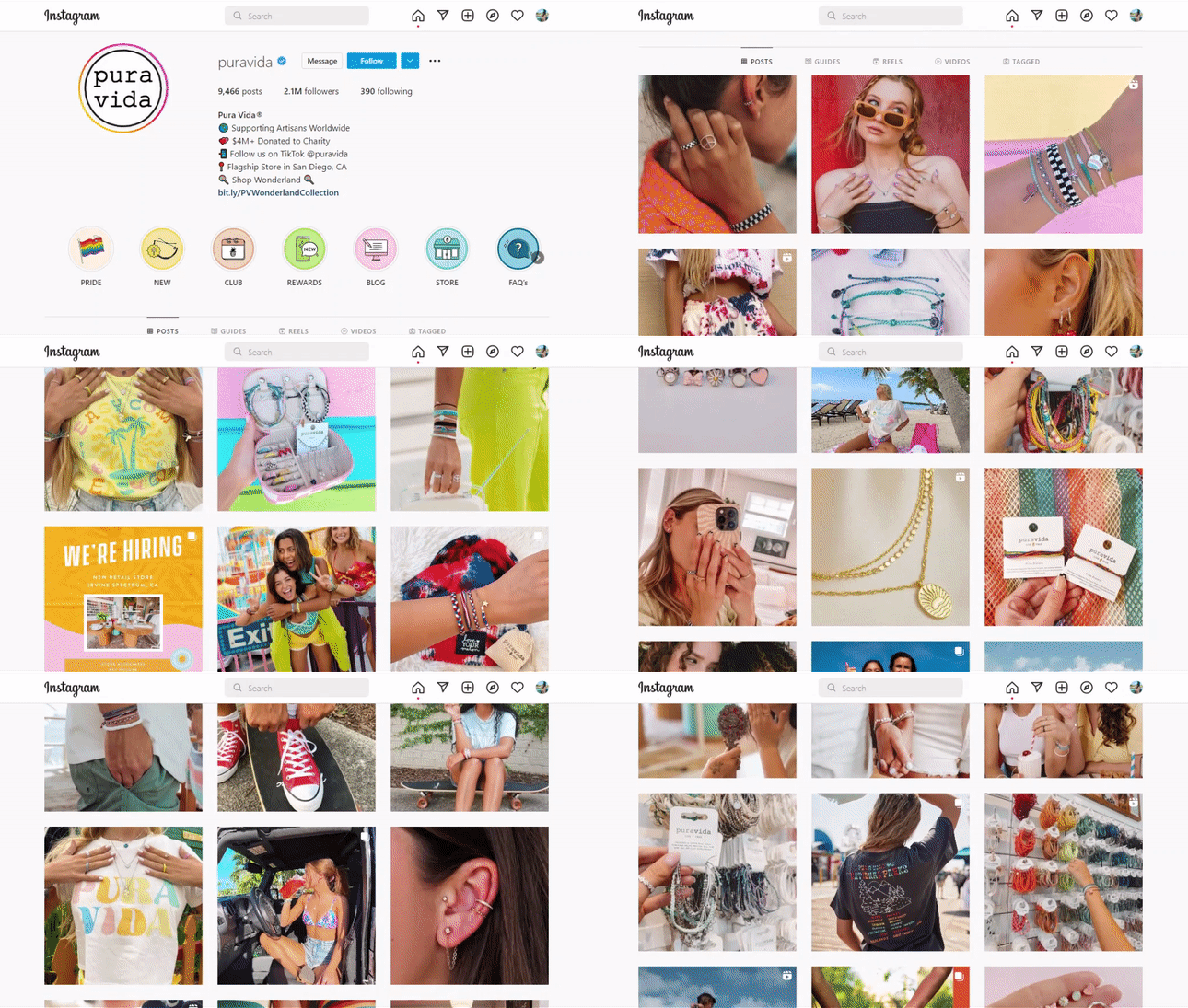
They’re known for getting a lot of UGC and reposting it to their page.
Here was their Mother’s Day post, where they reposted moms who had uploaded photos and tagged their brand.
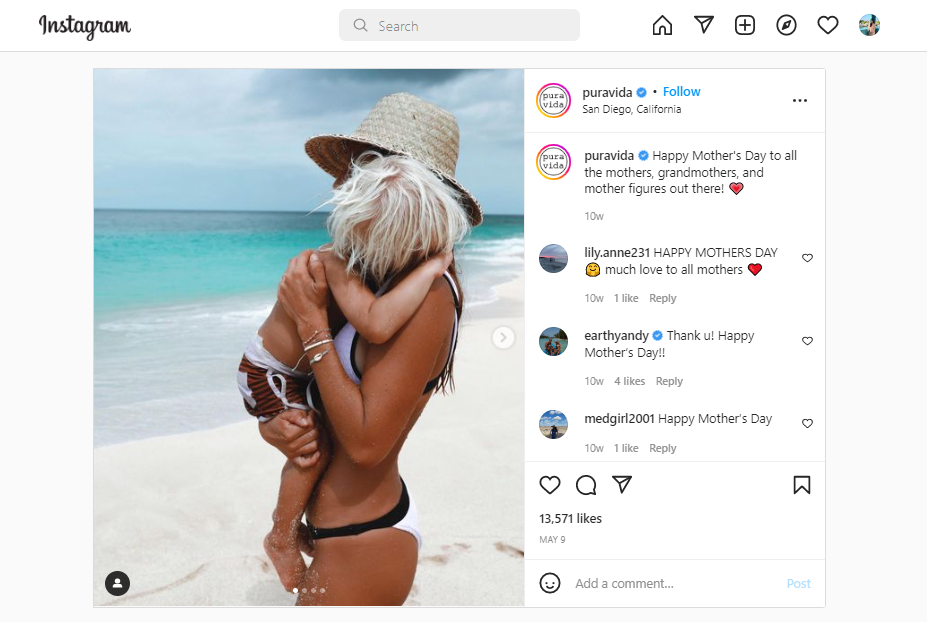
Here’s some more user-generated content they reposted.

Next is GymShark, a fitness-wear brand that has similarly exploded on Instagram.
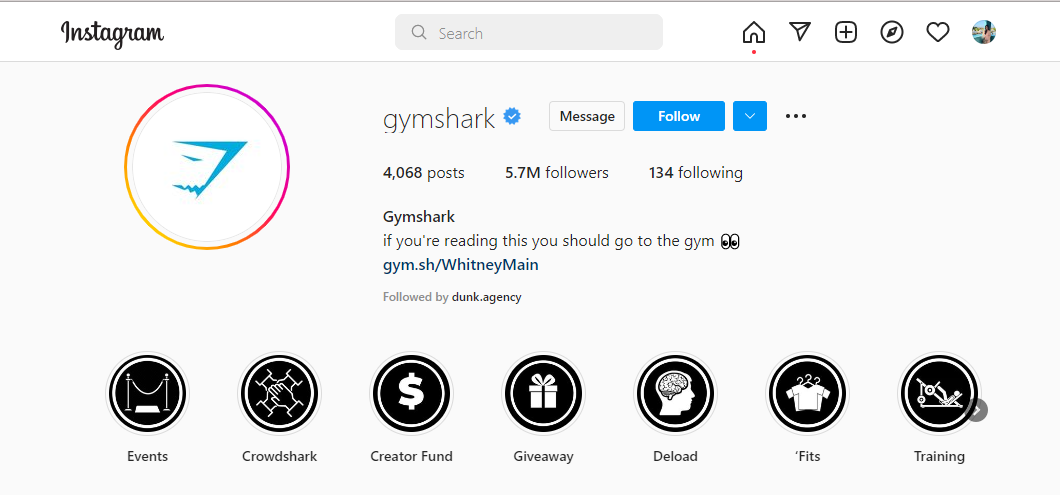
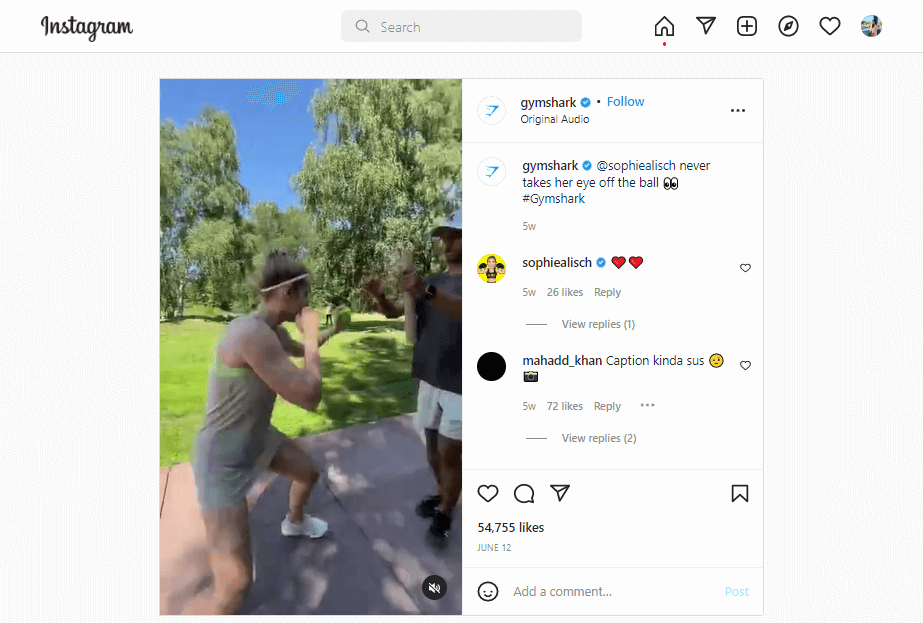
They’re also known for reposting user-generated content they’ve been tagged in.
These are videos where they were tagged by users and the user is wearing GymShark clothes.

When these brands repost the content they’ve been tagged in, it does two things:
1. It Rewards People For Tagging You
This is by giving them exposure on your brand’s page and thus, encouraging others to do the same.
Consumers will say, “Hey, I want my face and username posted on Pura Vida’s page!”
And they’ll upload their content and tag you in the hopes of getting featured.
2. It Creates Social Proof
Social proof is a social phenomenon where “people copy the actions of others in an attempt to undertake behavior in a given situation.”
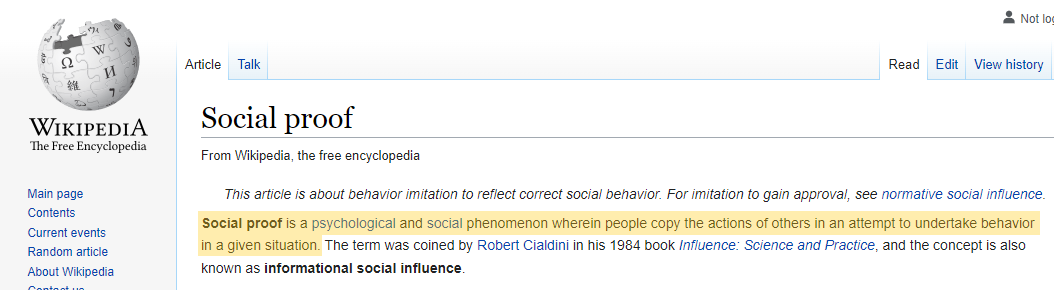
In other words, when people see other people posting photos and videos with your product, it makes them want that product too.
Best Practices For User-generated Content
Here are the best practices for user-generated content to create maximum impact for your marketing campaigns.
Always Ask For Permission
Always get permission before resharing user-generated content (UGC) of any creator. Anyone can use your branded hashtags without realizing they’re part of a UGC campaign.
Also, sharing without consent can harm relationships with content creators and upset your brand advocates.
Give Credit To The Creator
Always credit the original creator when sharing user-generated content (UGC). Tag them in your post and specify if you’re using their visuals or text.
If sharing across different platforms, ask how they prefer to be credited. Proper credit keeps creators engaged and shows transparency, making it easy for followers to verify the content’s source.
Set Clear Content Requirements
When you collaborate with a UGC creator you can set clear requirements for the type of content you need.
Still, make sure not to restrict the creativity or the authenticity of the creator. The more organic the content is the better.
Be Strategic And Set Goals
To effectively use UGC, you must align it with your marketing strategy. Identify how UGC fits into your overall campaign goals. Create a clear statement specifying the type of content you’re looking for.
Share your UGC request across your social media bios, and website. By being strategic about your UGC, you can ensure it supports your broader marketing objectives and engages your audience meaningfully.
User-generated Content Legal Issues
Now that you understand what user-generated content (UGC) is, why it matters, and how to create it for your brand. It’s important to be aware of some guidelines (legal requirements) before you start reposting UGC everywhere.
The FTC, or Federal Trade Commission, provides regulations that govern UGC.
“mission is to protect consumers and competition by preventing anticompetitive, deceptive, and unfair business practices…
…through law enforcement, advocacy, and education without unduly burdening legitimate business activity.”
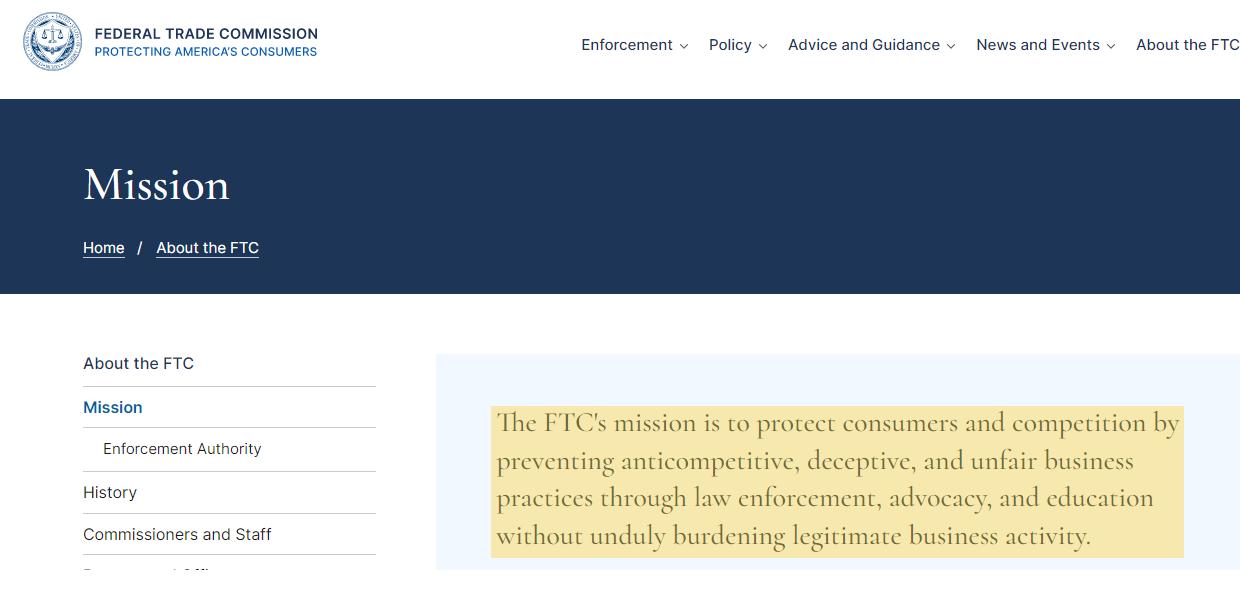
And they have rules when it comes to social media content, especially working with influencers.
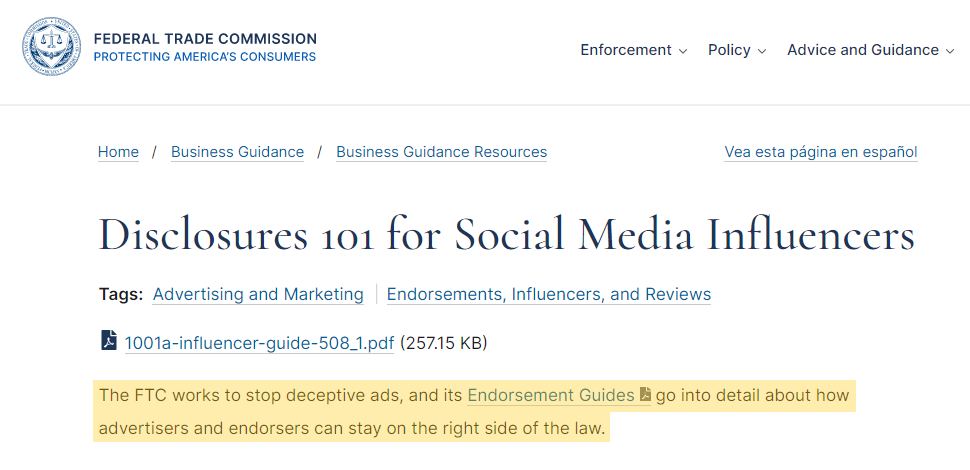
1. Ask the user if you can repost the content:
We would say it’s a 99% chance that they don’t care and are hoping you repost it since they tagged you in the first place.
But you’d rather be safe than sorry and just ask because you technically do need their permission in order to repost it.
2. Give them photo credit:
We would give them credit in the caption as well as tag them in the photo to cover your bases. The caption credit can be as minimal as putting the camera emoji and then their username.
Or of course, you can make a post about them like “@ username loved wearing her [insert product name here]!”
Takeaways
Reposting user-generated content can create a snowball effect. As you share more photos of customers using your product, it encourages even more people to post their own, which can lead to increased sales.
This cycle of engagement not only boosts brand visibility but also builds community around your product.
Need help to handle:
- Influencer marketing partnerships
- Running giveaways
- Encouraging social media customer engagement
We can handle everything for you from top to bottom, so head over to our social media marketing services page.
User-Generated Content FAQs
What do you mean by user-generated content?
User-generated content is brand-specific content published by a contributor/customer on your social media or website. The content can be a testimonial, discussion forum post, video, blog post, photo, or comment.
What is an example of user-generated content?
An example of user-generated content could be a testimonial, discussion forum post, video, blog post, photo, or comment.
Can you actually make money doing UGC?
Yes, UGC creators can make between $1 and $20,000 a month, as brands prefer UGC for its authenticity and lower cost compared to traditional advertising.
What is UGC and how does it work?
User-generated content (UGC) is content created by consumers that showcase a brand, product, or service, shared on social media. It works by using authentic customer experiences to build trust and engagement, which helps brands increase visibility and reduce marketing costs.
Other Content Marketing Resources
- Top 20 Content Marketing Agencies In US 2026
- Tips To Create an Effective Content Marketing Plan
- Content Marketing vs Digital Marketing – Which is Best for Your Business?
- Are You Considering Freelance Content Marketing? Use This Guide to Help You.
- How to Create a Content Marketing Calendar Your Followers Will Love
- Define Content Marketing: Keys To A Successful Marketing Campaign
- Our Secret to Optimizing Online Content Marketing for a Higher ROI
- How a Successful Content Marketing Funnel Works for Small Businesses
- Content Marketing ROI: What to Invest and How to Measure
- The Future of Content Marketing – What You Need to Know to Be Prepared

