




Creating a well-thought out content marketing plan and putting it into action can help you grow your business.
It can help you build your brand, get more traffic, and increase leads/sales.
Content marketing has worked for well-known brands and mom-and-pop businesses alike.
So there’s no reason for it to not work for your business, regardless of its size.
While there are many reasons as to why content marketing is thriving, the biggest one is Google. The search engine giant loves great content.
And its robotic readers can tell if your business is following a cohesive content marketing plan.
No wonder content marketing and SEO go hand in hand.
In fact, there is no quality SEO without quality content.
So if you want to get found via Google and other major search engines, it’s crucial that you invest in content marketing.

According to research conducted by the Content Marketing Institute, 54% of B2B marketers who don’t have a content marketing plan…
…are planning to implement one within the next year.
However, content marketing like any other type of marketing requires strong planning.
Without a well-crafted content marketing plan in place, your efforts may or may not give positive results.
So instead of aiming in the dark, it’s better to plan your content marketing roadmap and focus on it throughout your business journey.
By using the following proven tips you should be able to create a content marketing plan that gives real-world results.
8 Tips On How To Develop A Content Marketing Plan
Tip #1: Know Your Core Purpose & Objective
The content marketing industry is vast and extensive. And it’s growing fast.
Why? Because it’s working for many small and big businesses. And it will continue to work, as long as businesses keep giving value.
However, in order to ensure your content marketing plan gives results.
It’s essential to know what exactly you want to get out of it — before you even start creating it.
Without having the needed clarity, you may not achieve your marketing goals.
While many businesses tend to use content marketing to gather targeted leads/prospects and convert them into customers.
You may have a different purpose such as increasing the lifetime value of your customers or making your brand more memorable.
Both of which are completely fine.
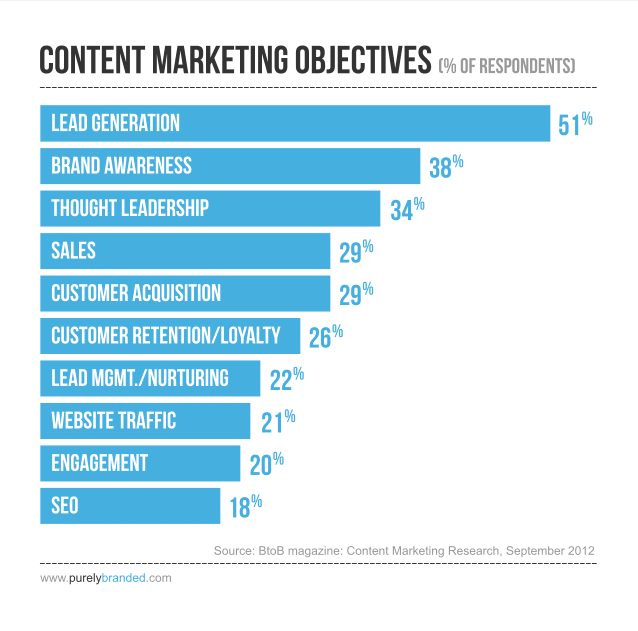
Regardless of what you want to achieve, you need to have a strong purpose backing your content marketing plan.
It’ll not only give a proper direction to your content but also how it spreads across the social web.
If you’re just getting started with content marketing, try not to over-complicate this crucial step.
Stick to a few major goals or objectives that you want to reach and try to produce content that resonates with your brand’s image or message.
Tip #2: Set Your Priorities
Content marketing can get more challenging/confusing when you don’t spend your time doing activities…
…that contribute towards achieving your main goal.
The reason why many businesses ignore setting priorities is because it’s not easy to figure out where to invest their time.

However, when you put in the effort to set the right priorities, you and your team will naturally be working towards a common goal.
And achieving success with content marketing becomes a lot more predictable and simpler.
Given below are some of the most common content marketing-related activities that…
…you can prioritize based on what you want to achieve for your business.
a. Creating More Engaging Content
Producing content that is engaging to your target audience should be a priority by default.
By creating content that your target audience wants to consume and spread the word about should be on the list of every content marketer.
b. Measuring What’s Working and What’s Not
Successful content marketing is about becoming a valid informative source for your target audience.
It’s about making progress in terms of connecting with your preferred audience and delivering content that helps them in the best possible way.
However, unless you know what’s working in your favor and what’s what’s hindering you from achieving your goals.
You won’t be able to achieve any real progress.
c. Optimizing Content
In order to get your content to give results and improve the overall customer experience, you need to optimize it consistently.
This optimization is not limited to SEO but goes beyond it.
Everything you do to improve the performance of your content comes under content optimization.
Right from the split testing your landing page headlines to fine-tuning your email copy. Everything.
d. Producing Visual Content
Visual content is a big part of content marketing mainly because it continues to work.
Regardless of the niche, you are operating in, visual content can help you simplify and explain complex topics to your target audience.
It can also help you achieve more social shares and visibility across major social networks.
e. Telling Better Stories
Storytelling goes hand in hand with quality content marketing. Because producing engaging content requires you to tell better stories.
When you share engaging stories it helps your content to stand out from the crowd and makes your brand look more human.
Go ahead and prioritize your content marketing activities based on your business and marketing objectives.
And ensure that you are giving your highest attention to activities that actually contribute to your bottomline.
Tip #3: Align Your Content Marketing Plan with Your Business Goals
Your business goals matter to a great extent when it comes to growing your company consistently.
And that’s exactly why it’s extremely important that your content marketing plan not only reflects these goals…
…but also supports them in every possible way.
If your main business goal is to increase the number of sales, then you should focus your content marketing efforts in that direction.
This means your brand will have to create more content that makes it easy for people to make a buying decision.
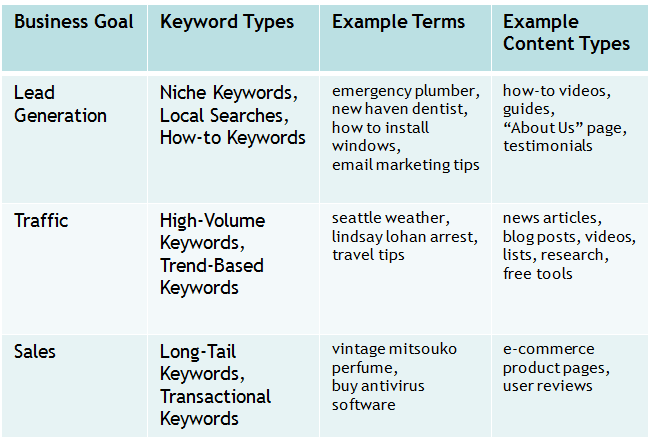
It doesn’t matter if you want to generate more leads or grow your brand’s value over time.
Content marketing can help you achieve all your business goals as long as it is aligned with them.
Remember, every piece of content you produce should ultimately help you get closer to your core business goals.
Or else you will only end up wasting your time and money without getting a considerable content marketing ROI.
Tip #4: Truly Understand Your Target Audience
Let’s face it, content marketing requires investment. You either invest time or money. There’s nothing called free lunch.
So it only makes sense to be prepared and know beforehand that you’re creating the right content for the right people.
You want to create content that delivers real value to your target audience.
Content that helps them see through problems and connect to your brand at the same time.
And that can only happen when you truly know who your audience is and what they want.
So get into their shoes and try to see things from their perspective.
Look into how are they consuming content and understand what exactly they find engaging.
Spending some time knowing your audience will put you in a better position to craft content that they not only find appealing but also worth sharing.
If your business has never tried content marketing, it becomes even more important to do your homework in terms of identifying your target audience.
Once you have a better idea of their content consumption habits, creating relevant content.
Distributing it through the right channels and tracking the results becomes much easier.

Here are a few effective ways to know your audience better:
- Social media channels
- Quantitative surveys
- Qualitative surveys
- In-depth keyword research
- Competitive analysis
- Direct conversations and interactions
- Analytics and historical data
The more effort you put into knowing your audience initially, the better your content marketing plan will turn out to be in the long run.
Tip #5: Experiment with New Content Types
Blogging is one of the most common/workable content marketing strategies, and probably the easiest to apply.
It’s where most businesses start when they test the waters with content marketing.
However, if you want to see favorable results, you need to move beyond blogging and experiment with other types of content.
When you focus on other content types, you’re not only giving your existing customers/prospects a unique way to interact with you.
But, you’re also broadening your reach by connecting to new prospects.
Your audience will appreciate you for adding variety to your content marketing.
You will end up learning more about their likes/dislikes along the way.
Check out the following formats to help you take your content marketing to the next level.
-
-
Live Video – There’s no doubt that video is turning out to be a great marketing tool.
Especially for businesses that want to connect to their audience at a higher level.
By using live video (on YouTube and Facebook), you can generate more engagement for your content.
Using live video, you can do live Q&A sessions, conduct workshops, provide tutorials, etc.
It’s your chance to interact with your target audience in real time and get instant feedback.

-
Quizzes – Even though a quiz is a type of interactive content that takes time to put together, it is totally worth it.
The idea is to make your quizzes entertaining and at the same time relevant to your business.
Once you get it right, you can churn out quiz after quiz and engage with your audience like never before.

-
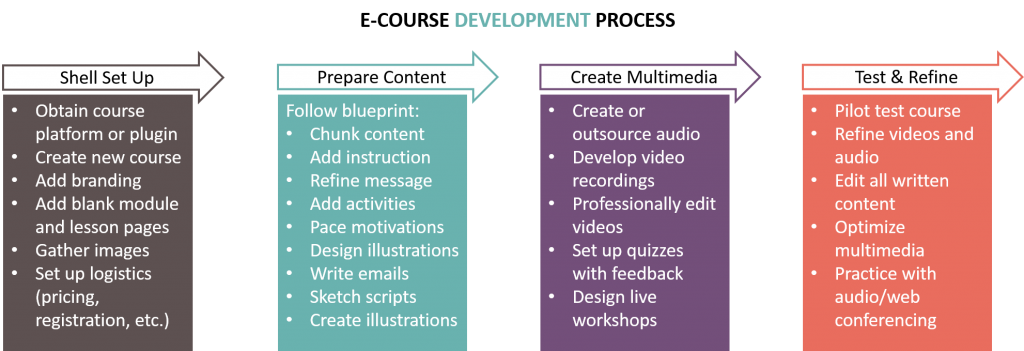
E-Courses – If you want to have a competitive advantage over others with content marketing.
Then it makes sense to create and offer specific e-courses on relevant topics in your industry.
Since content marketing is all about educating your prospects before anything.
Providing high online quality courses can help you establish your brand as the go-to authority in your niche.

-


This does not mean that you abandon your blogging strategy. Of course not. A blog is an important tool to drive traffic to websites and generate leads.
But in order to venture where other content marketers are hesitant to.
You tap into a bigger market segment and ultimately make your content strategy more effective.
Tip #6: Focus on Being Unique & Original
The Internet is drowning in content, which means you need to create unique content that offers real value in order to stand out from the rest.
That’s the only way you will be able to make an impression on your target audience and reach your content marketing goals.
Finding your content’s unique selling point is crucial, but it’s not enough. You also need to find ways to provide original content on a regular basis.
You can make your content more original and value-oriented by:
- Touching Your Readers’ Emotions: Want to make your message doubly effective?
Then put in the effort to produce content that evokes readers’ emotions.
Whether it is creating humorous content or something controversial, anything that stirs the emotion of your target audience…
…has a higher chance of being read and shared.

- Adding Your Unique Perspective: If there’s one thing that can make people read your content…
…and share it with others is your unique perspective.
By simply injecting your own personal experience or story in the content makes it more original, valuable and also humanizes it.
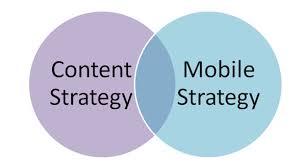
- Optimizing for Mobile: Producing mobile-friendly content is increasingly becoming important for brands…
…that want to reach out to a larger audience and impress them — especially the millenials.
To make your content readable on mobile devices, go with simple layouts and add more visuals to your text-based content.
The easier you make it to consume your content on mobile, the better it is.


Improving your content quality and making it more unique is not rocket science.
By following the latest trends in content optimization and by sticking to age-old content creation tactics.
You can create original content time and again.
Content that continues to drive more business your way.
Tip #7: Identify & Focus on Challenges
In order to get positive returns with your content marketing plan, it’s important to know what challenges you are up against.
And prepare to take the right action to conquer them.
Content marketing is challenging in more than one way because it takes a ton of effort and a multitude of resources…
…to produce quality content consistently.
Content that lets you get more engagement, increase social shares and improve your sales.
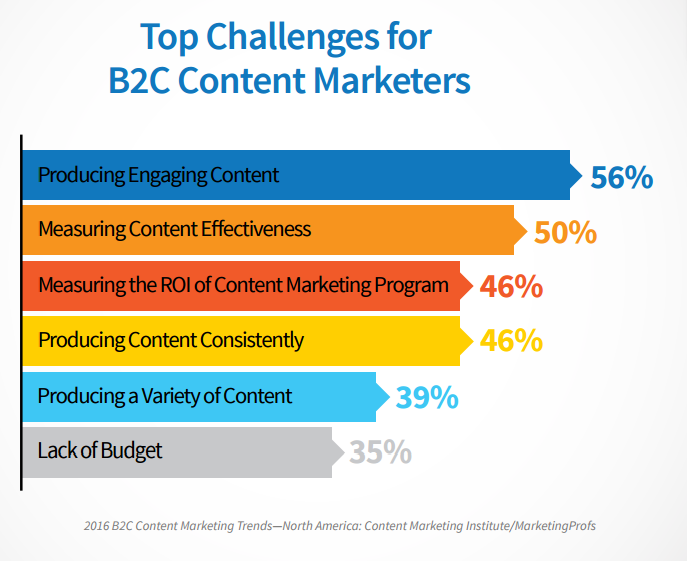
You can no longer just rehash content and expect your target audience to pay attention. Today, the content marketing landscape is highly competitive.
This is why you not only need to generate great, relevant content but also ensure it’s highly useful to your readers.
Here are three of the most common content marketing challenges that you will encounter.
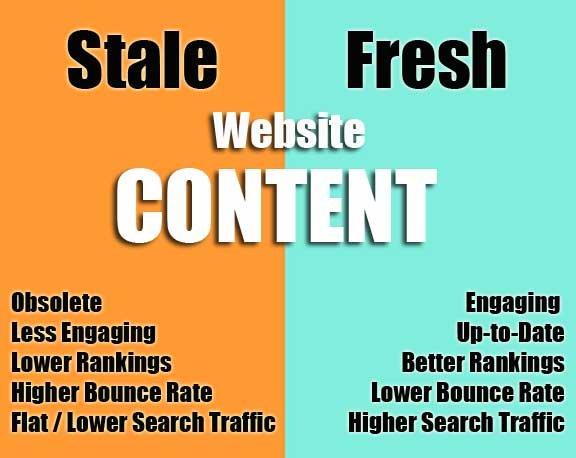
Challenge 1: Creating Fresh, Up-to-Date Content
For many brands, it’s already a challenge to create great content, let alone do it consistently.
But in order to find success with content marketing.
It’s important that businesses understand the importance of consistently churning out quality content.
Because sustainable content creation is the backbone of an effective content marketing plan.
It lets you position yourself as a trusted authority in your industry and gives you the needed edge over the competition.
The most basic and obvious step to sustainable content production is organizing your content creation.
Having a proper editorial calendar helps you make the most of your content marketing channels such as blogging.
Try brainstorming ideas well in advance and put them on your calendar at the appropriate time.
Also, find time to do a content audit on a regular basis to ensure your content is fresh.
Challenge 2: Finding New Content Ideas
Making your content marketing plan work involves feeding it with new and useful content ideas day in and day out.
Every content marketer knows that finding worthy content ideas is no walk in the park, especially when you need to do it consistently.
So how do you go about overcoming this common challenge?
For starters, you can take existing ideas and make them better. There’s always something new to learn from your competitors.
Yes, we should be better than them but analyzing and doing some research about their topics and formats will do us more good than harm.
All you need to do is keep an eye on your competitors to see what content they are publishing and find loopholes to improve it.
Work on it from a different perspective and test it on your own audience.
You can also ask your audience for ideas so that you’re able to create content that people are looking for.
The easiest way to collect ideas from your audience is to tap into your email list.

Last but not the least, you can look around social media sites such as Facebook, Twitter and LinkedIn to see if people are asking certain questions.
Or are talking about their problems in your niche.
Another good social site that is proving to be a goldmine for content ideas is Quora.
Where you can find hot, burning questions (and answers) in your industry.
Challenge 3: Producing Content for Different Channels
The true potential of your content marketing can only be experienced when you’re not limited to one channel.
In other words, creating a variety of content for multiple marketing channels is the key strategy to getting a high ROI from your content marketing plan.
However, creating original content for each channel can be overtly time-consuming.
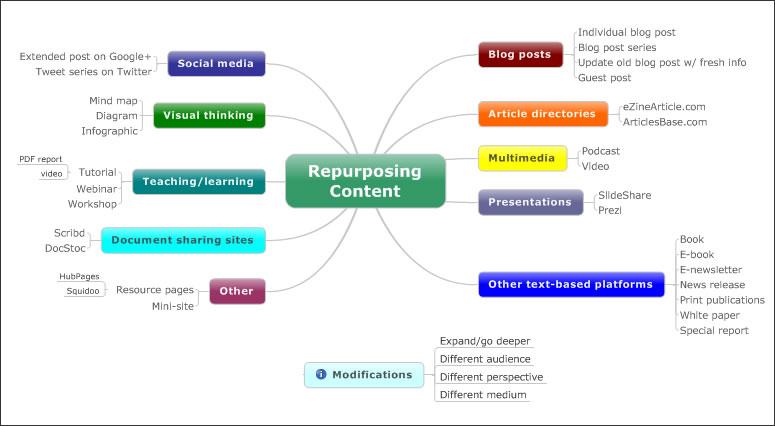
It’s a challenge that has a widely accepted solution: repurposed content.
There’s nothing new about repurposing existing content from a unique angle, nor is it a frowned upon practice.
In fact, it is encouraged in the content marketing circles, especially when you’re publishing content on different platforms.
For instance, you can repurpose your blog content and turn it into SlideShare presentations or YouTube videos.
You can also do it the other way round where you explain your videos and presentations in detail via long-form blog content.
The best way to ensure good results with your repurposed content is to make sure you have a clear strategy beforehand.
And try to post relevant content to relevant platforms.
Tip #8: Set a Realistic Content Marketing Budget
While there are many ways to market your business online, content marketing has carved its own place.
Over the years, it has gained real prominence in online marketing circles. It’s no surprise that interest in it continues to grow at a rapid pace.

Today, there’s little doubt about the importance of investing in content marketing.
Every small and big brand sees this form of marketing as a solid strategy to grow their business.
However, it’s important to know how much your own brand can and should invest in content marketing for optimum growth.
This is why setting a realistic content marketing budget is of utmost importance.
It has been found that B2B marketers who regularly find success with content marketing…
…allocate a whopping 42% of their overall marketing budget for content creation.
And 48% intend to increase their content marketing spending.

Step One: Analyze Your Company’s Current Position
Before you jump into starting a content marketing campaign, try to analyze your company’s current position.
While it’s true that content marketing can be used by any company of any size, it’s not that not simple.
Because not every company is the same. Each one has its own track record.
If you’re running a huge business with millions of dollars in revenue.
Then, you need to know how much you’re willing to risk to stay ahead of your competition.
Whereas a small or a medium-sized business might be working in a tight niche and doesn’t need to invest heavily in content marketing.
So considering your company’s current position is the primary step towards setting a proper content marketing budget.
Step Two: Set Practical Goals
Now that you’re clear about your company’s position, you need to set practical goals for your content marketing campaign.
A mistake that many businesses make is they go too broad with their goals.
The idea is to get as specific as you can because it sets the foundation for your future content creation.
Instead of having a broad goal such as “increase sales”, it’s better to have a specific goal such as “acquire qualified B2B leads”.
While crafting content for these goals, also take into consideration how urgent are they for your company.
Step Three: Know Where You Stand
Many established businesses are already doing content marketing but are unaware of it.
So when you actually decide to create a budget for your content marketing plan, it only makes sense to see where you stand.
Ask yourself…
- Do you already have existing content marketing channels set in place such as a blog?
- Has your company invested in content such as eBooks, presentations, and white papers in the past?
- Is your social media game strong on sites such as Facebook and Twitter?
- Are you regularly creating and uploading original videos to your YouTube channel and have a significant following?
If your answer is yes to any of these questions then you can use your budget to enhance your current efforts.
If not, then your content marketing budget should go towards building a strong foundation.
Our Last Content Marketing Tip
Know where you’re going, who you’re talking to, and provide something fresh!
Keep things realistic, and you’ll be well on your way to creating (or improving) your content marketing plan.
If you need help creating a plan or simply need a boost in content creativity, our specialists can help.
Contact us to see what we can do for your content marketing efforts this year.
Other Content Marketing Resources
- Top 20 Content Marketing Agencies In US 2026
- What Is User-Generated Content And Why Is It Important
- Content Marketing vs Digital Marketing – Which is Best for Your Business?
- Are You Considering Freelance Content Marketing? Use This Guide to Help You.
- How to Create a Content Marketing Calendar Your Followers Will Love
- Define Content Marketing: Keys To A Successful Marketing Campaign
- Our Secret to Optimizing Online Content Marketing for a Higher ROI
- How a Successful Content Marketing Funnel Works for Small Businesses
- Content Marketing ROI: What to Invest and How to Measure
- The Future of Content Marketing – What You Need to Know to Be Prepared

