



A bad online image can seriously hurt your business. You risk losing sales without a solid online reputation strategy in 2026. While online business marketing is great, it can be a double-edged sword for your business if you’re not careful.
You can use different types of online marketing platforms and channels to connect with your customers, but they also highlight criticism and public backlash.
That’s why it’s important to work on how people perceive your brand online. The rise of cancel culture online also emphasized the need for an online reputation management strategy.
Cancel culture is when you receive public backlash and social consequences for a perceived misconduct.
Online reputation management (ORM) can protect and improve the digital presence of your business. Let us explain how you can use ORM and create an effective strategy.
Elements Of An Effective ORM Strategy
Your ORM strategy should include various essential elements to make it effective. A combination of monitoring your online presence, reputation building, and crisis management can help your business keep its online reputation intact.
These elements play an important role in maintaining a positive online reputation.
Monitoring Your Online Presence
You should monitor your online presence consistently to identify and address potential issues proactively before they get out of hand.
Always pay attention to what your customers say about your business online. We always pay attention to customer complaints because if you let them go unnoticed or unresolved, they will hurt your reputation down the road.
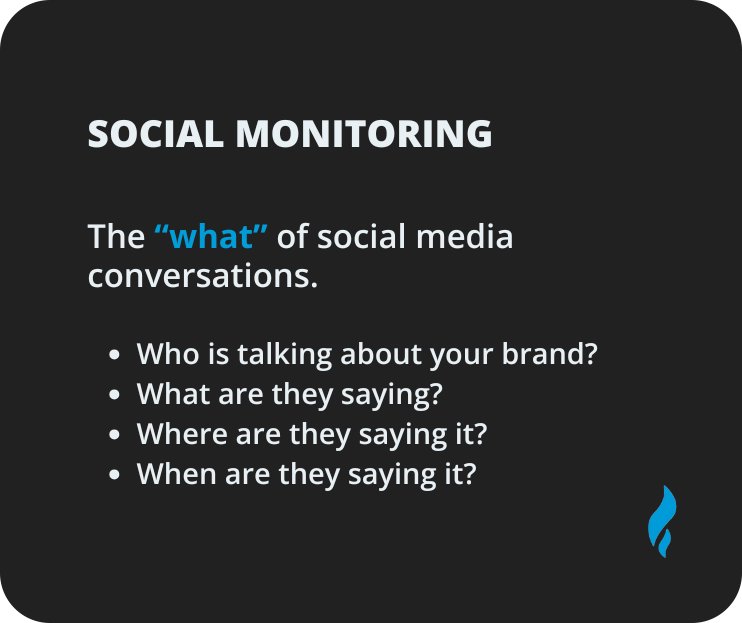
Don’t use social media platforms for marketing only. Use them to interact with customers and try to address their concerns. When you interact with customers online, they feel valued, and it creates brand loyalty.
Also, use different social listening platforms to know how customers perceive how brand, look into their complaints, and resolve them.
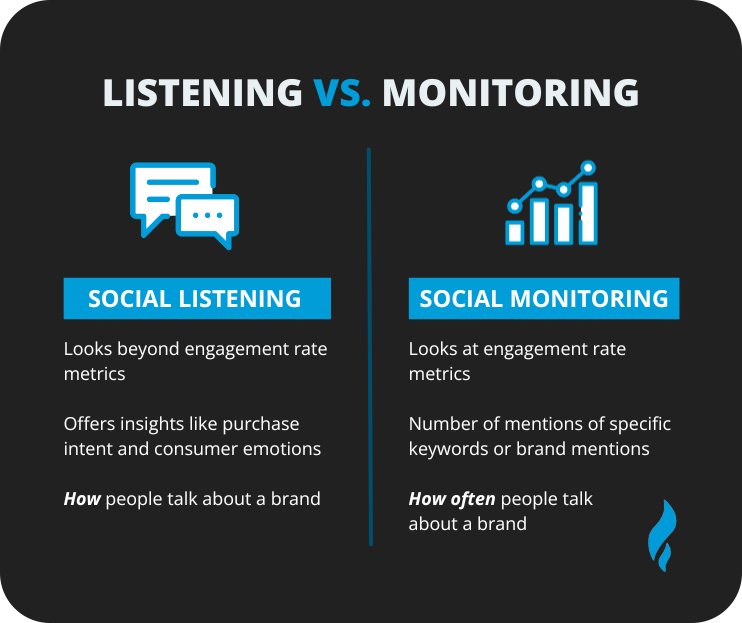
There are different social monitoring platforms. For example, Google Alerts can be used to get email notifications about certain topics and keywords. It helps you keep track of relevant content about your business.
Proactive Reputation Building
An effective ORM strategy includes proactive reputation building. This means to engage positively on social media and respond to feedback effectively to build trust. This also reduces the impact of negative comments and publicity.
Negative reviews are tough, but staying proactive is key to protecting your business and building a strong reputation.
Many business owners think negative reviews are fake or from competitors. Even if that’s true, respond calmly and handle the feedback professionally. Take negative feedback and criticism to improve your (product/service) business.
If you respond to negative reviews professionally, apologize for the bad experience, and address the complaint, other customers will see that as a positive.
This shows that your business cares about their customers and takes their feedback seriously. You should manage your brand review and also know how to get more Google reviews to improve your brand image.
Crisis Management And Reputation Repair
When a crisis hits, you need a clear plan to protect your reputation. Identify the cause, respond quickly, and take action to fix the damage.
In a crisis, stay calm and focus on facts. Gather information, see what people are saying on social media and online, and find the best way to respond.
Once you have the facts, make a clear decision. Focus on solving the problem. If that fails, switch to plan B, stay calm, and act logically.
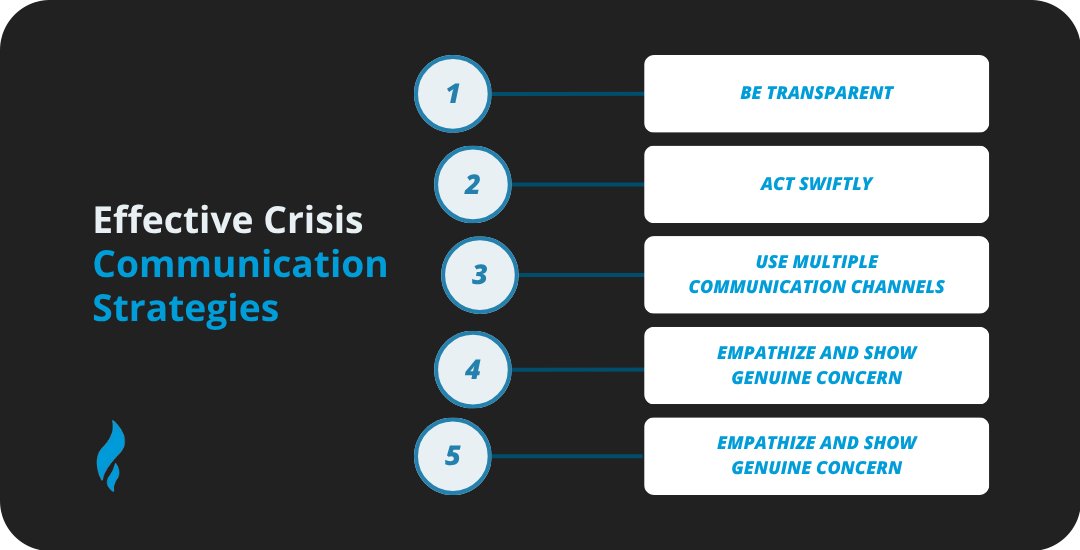
The final step in crisis management is learning from it. Don’t view mistakes as failures. See them as chances to improve and grow.
We use this ORM strategy to manage the online reputations of our clients and help them improve their online presence. If you need help, check out our Reputation Management Services and Review Management Services.
Here is an example of Domino’s to show you how crisis management can save your brand image. A viral video showed employees tampering with food at Domino’s back in 2009.
They acted fast, issued a public apology, fired the employees, and launched a rebranding campaign. They also used honest ads about past issues, which was one of the best ideas to increase sales.
Role Of SEO In Online Reputation Management Strategy
SEO (Search engine optimization) is an important part of ORM. It improves your brand position in the search engine results and increases your online visibility. The best part is that it is free business advertising.
You should optimize your online business profiles and create SEO optimzed content like blogs and landing pages to improve your rankings.
Here is how you can use SEO to manage negative search results:
Combatting Negative Search Results
To combat negative search results, identify the source of the negative results to address them. You can do that by creating positive content to overshadow this negativity.
Another way is to develop high-quality content about your brand to lower the negative content and promote your positive online reputation.
As a starting point, you should create an About Us page on your website. Add positive information about your brand and anything that you want the target audience to know about your business.
Also, link your social media profiles and any other platforms where you have your business presence to help them verify that you’re a legitimate business.
Social media greatly influences your online reputation in 2025. So you need to use the best social media marketing strategies for an effective online reputation management strategy.
You need to manage your social media profiles, respond to comments and feedback, and share branded content to create a positive brand image.
Influencer partnerships also improve your online reputation. You can reach more people, build trust, and strengthen your image by working with influencers in your industry.
Choose the influencers who share your brand value and goals and align with your brand. For example, if you’re a cosmetic brand, work with a fashion blogger. A mismatch of influencers can damage your online reputation.
6 Steps For A Victorious Online Reputation Management Strategy
Here are 6 steps we use to create an ORM strategy that actually works:
1. Get Familiar With The Popular ORM Tools
There are many tools to help with online reputation management, but the following are essential.
Google Alerts
Google Alerts allows you to track all online mentions of your brand in the web results, video results, news results, blogs, and Google Groups results.
Yahoo Alerts
Allows you to track news through the following channels: keyword search, local news sources, newsfeeds, and stock prices. You can get notified of Yahoo Alerts via email or through Yahoo Messenger.
2. Lay Down The Groundwork
The important thing with building an ORM strategy is to build the public’s respect. This means creating a business foundation based on trust. Public trust is the most valuable asset for small businesses.
The key is to take control of the search results for your business keyword. Ensure that your potential customers only see what you want them to see. And so long as you choose a unique business name, this is within your control.
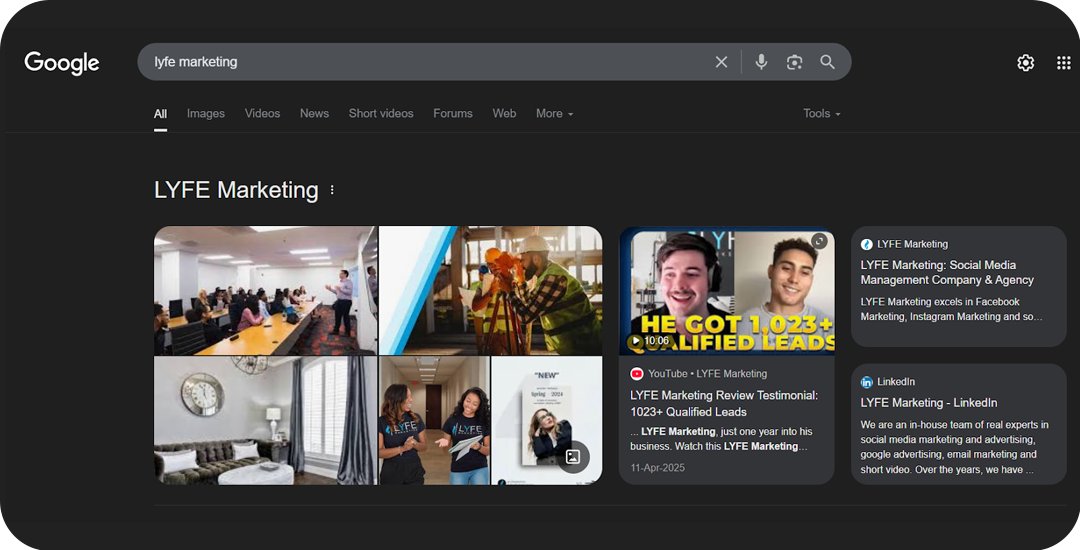
See how LYFE Marketing owns their first page? Your business name should do the same. With a good SEO strategy, you can ensure that your business’s content dominates the first page.
Keep Your Eyes On The Prize
94% of people never go beyond the 1st page, that why you should rank on the first page.
The 1st page of Google is your business card, and you don’t want your business card to look questionable. To rank on the 1st page, you need to create key social media accounts for your business.
- LinkedIn accounts rank higher than other social media accounts.
- For blogs, WordPress blogs rank best.
- For a visual-based account, we definitely suggest Instagram if it fits your business.
Clean Up Your Mess
If you already have these social media accounts set up, immediately delete or archive any old posts or photos that may be considered inappropriate.
You can figure out the obvious one, but the less obvious ones include polarizing topics covering religion and politics. Make sure to remove them as well.
Search
Google personalizes search results based on your account. To see what potential customers see when they search your business, sign out of your Google account and search for your business.
3. Be Transparent
Do you see negativity? Don’t panic! Remember to look at negative feedback as a lesson.
Negative feedback holds valuable data about your target audience that you can use to improve what you offer. In online advertising, always be open to criticism.
Transparency Tips To Keep In Mind
Most businesses don’t invest much in responding to criticisms and feedback. When they do occasionally respond to online feedback, they go about it the wrong way.
It’s essential to be transparent when responding to feedback, whether the feedback is positive or negative. This may seem risky, but it’s even riskier, in the long run, not to be transparent.
Keep the following tips in mind for your online reputation management strategy:
- Be publicly transparent, especially when making changes that people have asked for.
- Don’t hide complaints, address them publicly.
- Embrace negative feedback. Invite users to share their opinions. Good or bad.
- Don’t pretend that the negative feedback doesn’t exist!
- Allow your employees to publicly discuss your products and services.
- Add a 1-1 communication channel into your ORM.
4. Be Professional
An essential part of any ORM strategy is responding to feedback (positive or negative) in a professional manner.
When it comes to complaints, respond to them quickly and politely. Even if it’s just a simple reply, it’s better than a late or no reply.
And like in everything else, it’s better to have a plan for this task. Here are some points to help you:
- Who will be in charge of monitoring the comments and reviews?
- Who will decide whether you need to reply to a comment or not?
- If specific issues come up, what will be the process of giving a response?
This will save a lot of time and stress in managing feedback.
Negative Attention = Bad Publicity
Don’t be aggressive or defensive when responding to public criticism. Some businesses learn it the hard way. That attitude just doesn’t work in online advertising platforms.
Attracting negative attention isn’t good for publicity. It might work for controversial public figures, but for a business, it will hurt the brand.
5. Understand Different Types Of Negative Content Online
Not all negative feedback is equal. Feedback on social media in the form of comments shouldn’t be too worrisome unless your business is already in deep trouble.
Negative Feedback To Worry About
Negative feedback that comes in the form of websites or blog posts is a bigger threat to your business reputation. You need to deal with it immediately.
If you searched a business and saw “Companyname Scam,” you’d likely be concerned, and so would most people.
Many would choose a different company. Unlike social media comments, these types of results often rank higher on Google, making them harder to ignore.
How To Approach Negative Content
There are two approaches to dealing with this kind of negative feedback: a direct or indirect approach.
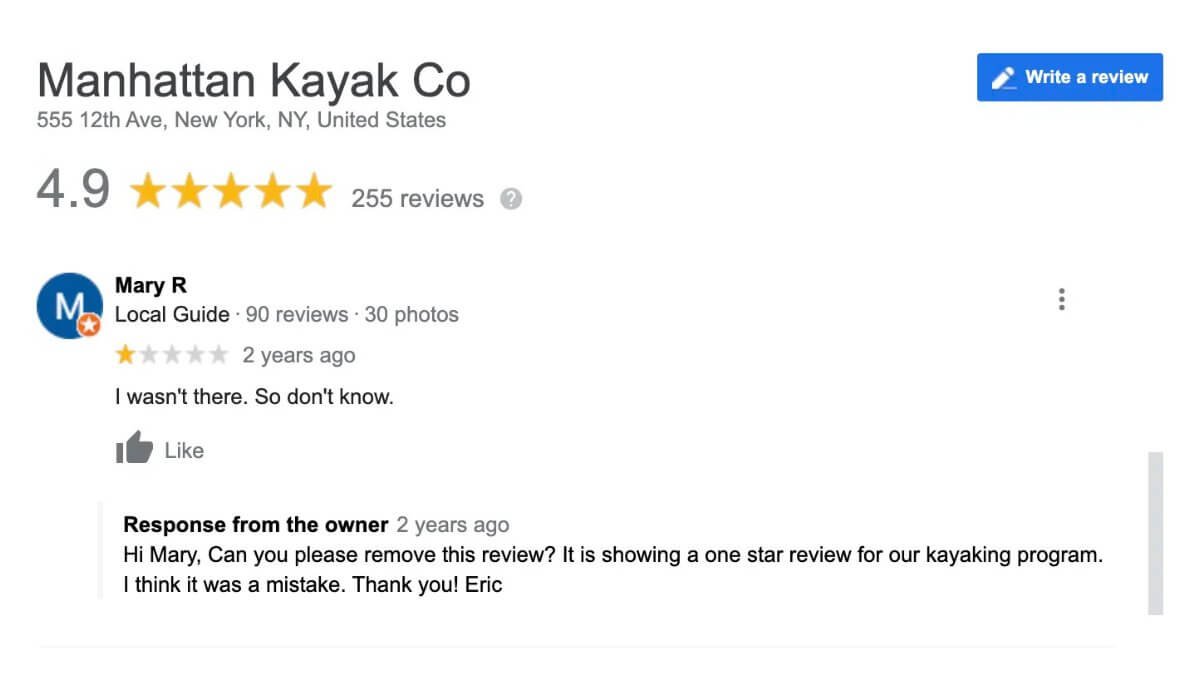
You can approach the website owner directly and humbly ask them to remove the content. But if that doesn’t work, then you can try to bury them in the search.
Here is an example from Manhattan Kayak Co.
6. How To Deal With Negative Content
First of all, check to see if the negative content posted about your business violates any of Google’s guidelines. If so, then you can make a petition to Google to de-index their content.
If the negative content represents legitimate complaints about your business, you can outrank it with positive content from your company or third parties.
Show searchers the positives of your business and how you can help them.
We know that negative reviews are generally less frequent than positive ones, but they stand out in a customer’s mind more than the positive ones.
And if not addressed, these negative reviews will be the only opinion that customers remember.
Should I Take Legal Action?
If the complaints aren’t legitimate, and if the situation is serious enough, then you may want to consider taking legal action. But remember, you have to be quick.
The following three things are against the law:
- Defamatory language
- Reporting false information about a business
- Content that’s aimed at destroying a company’s reputation
If one of these things is happening to your business, then take action immediately! If you don’t, you will lose credibility.
Conclusion
Most businesses only consider online reputation management when the damage has already been done. But if there’s one thing we want you to take away from this article, it’s this:
Online reputation management isn’t about damage control – it’s about laying the groundwork for a successful brand image.
Make your business like Iron Man – contact us today and let us handle all your ORM concerns.
Online Reputation Management Strategy FAQs
What is the strategy of online reputation management services?
Online reputation management means publishing and optimizing content to control what shows up on the first page of Google. It often includes managing reviews, using social media, running PR, improving SEO, and strengthening customer service.
Which of the following is a key strategy in online reputation management?
The key strategy in online reputation management is:
- Monitor and analyze reviews, comments, and mentions about your business.
- Engage with customers, reply quickly to all reviews, good or bad, to build trust and strengthen customer relationships.
What are 5 strategies you would use to ensure that your online reputation was protected?
Here are 5 strategies you use to ensure that your online reputation was protected:
- Control your search results: Most people turn to Google first, so make sure what they see builds trust.
- Track mentions in real time: Stay updated on what’s being said about your business.
- Shape the story with content: Publish helpful, positive content that reflects your brand.
- Respond with a clear strategy: Stay calm and professional, even when handling criticism.
- Stay ahead of issues: Don’t wait for problems. Take action early to protect your image.
What is online brand reputation management?
Online reputation management means tracking and improving how people see your business online. It involves handling reviews, managing your social media presence, and controlling what shows up in search results.

