



What Is Online Advertising?
Online advertising or online ads is the promotion of products and services through internet channels to reach targeted audiences.
Online advertising (also called internet advertising, digital advertising, or web advertising) lets businesses of any size run cost-effective and measurable campaigns.
Unlike traditional advertising through TV, radio, or print, online ads use data-driven targeting to show the right message to the right person at the right time.
The main forms of internet ads include paid search (PPC), social media ads, display banners, video advertising, and native content. Each format serves a different stage of the buyer journey, from brand awareness to direct conversions.
Digital advertising gives you the tools to compete with businesses of any size in e-commerce, local service businesses, and the B2B sector. The key is understanding which online advertising platforms match your audience and goals.
Small businesses can benefit from online advertising if they know how to use audience targeting. That’s why many businesses turn to an online advertising agency for help to improve their return on ad spend (ROAS).
How To Advertise Online
Internet advertising is something any business owner can do. You create an ad on your chosen platform, set your budget or bid, and target your audience based on demographics, interests, behaviors, or keyword searches.
When potential customers search for products or scroll through their feeds, your online ad pops up. You pay when someone engages, clicks your link, or takes action.
Digital advertising is marketing with a measurable impact, designed to fit your budget. Your small business can grow brand awareness and revenue with the right online advertising strategy.
How Does Online Advertising Work?
Internet advertising works by placing promotional content on websites, search engines, and apps through automated, real-time auctions known as Real-Time Bidding (RTB).
You can target audiences based on demographics, interests, or behavior, and pay for placements, commonly via cost-per-click (PPC) or cost-per-thousand-impressions (CPM).
Online advertising operates on a simple yet powerful principle: get your message in front of the right people at the right time. Platforms like Google Ads and social media channels offer a stage for your small business to thrive online.
What Are The Benefits Of Online Advertising?
Digital advertising is cost-effective because you have the option for precise targeting of demographics, global reach, and real-time tracking of performance metrics.
With internet advertising, you get flexible budgeting, higher engagement rates, and the ability to optimize campaigns for better ROI. Here are 7 main benefits you can get from online marketing and advertising:
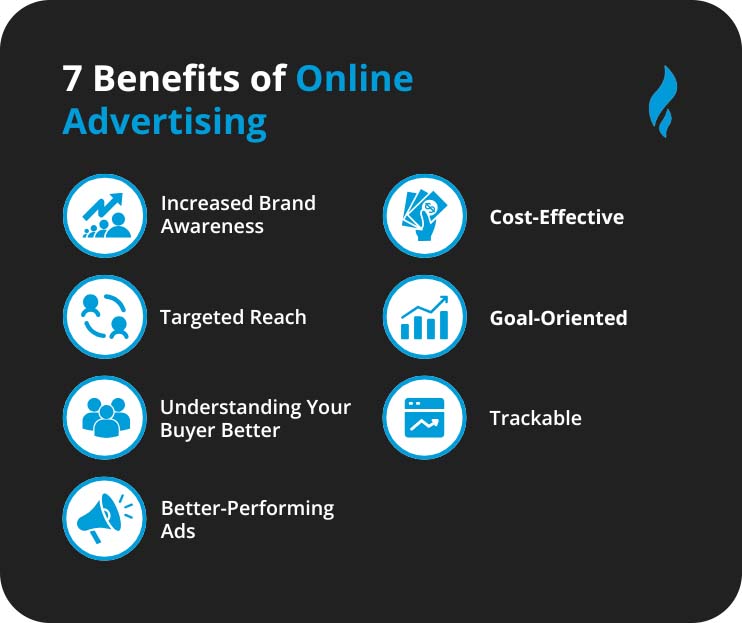
1. Increased Brand Awareness
There are billions of people online every day. You can put your brand in front of them with internet ads and web advertising. The idea is that the initial brand awareness will ultimately lead to new audiences. Then, those new audiences will convert into new customers with strong brand loyalty.
2. Targeted Reach
Not everyone is your target audience. Online business marketing lets you narrow down the billions of users and reach the right people. You can deliver targeted messages with relevant ads that address the pain points or goals of your audience.
3. Understanding Your Buyer Better
The data you get back from internet advertising and online ads can help you understand what part of your product or service they’re most interested in and which they are not. Web advertising platforms provide detailed audience insights that traditional marketing channels simply cannot match.
4. Better-Performing Ads
You can use that data to make informed decisions and create ad campaigns (and even organic content) that are most relevant and engaging to your audience to increase online sales.
5. Cost-Effective
Think of how much it costs to pay for a billboard or a TV ad, where you don’t even know with certainty who is seeing the ad. Online ads let you promote products online to a highly targeted audience and cost significantly less to generate a higher ROI.
6. Goal-Oriented
You can choose ad objectives based on your business goals in online marketing and advertising. You can use online ad campaigns to drive leads, sales, video views, post engagement, and more. Internet advertising can support any part of your marketing funnel.
7. Trackable
In online advertising, you can track your ad spending. Metrics like clicks and conversions allow you to analyze the campaign performance.
Knowing how and where to advertise online helps you convey your brand message effectively, attract potential customers, and track every step of their journey from follower to customer.
Internet Advertising vs. Traditional Advertising
You can reach a broad audience with traditional advertising like TV, radio, billboards, and print, but these channels don’t provide targeting or real-time performance data.
Internet ads let you target specific demographics, interests, and behaviors. The best part is that you can measure every click, impression, and conversion as it happens. Here is how internet advertising compares to traditional advertising:
Targeting: Traditional ads reach everyone in a geographic area. Web advertising reaches specific audiences based on data like age, interests, search history, and purchase behavior.
Measurability: You can only estimate your reach in traditional ads, but digital advertising shows you exactly how many people saw your ad, clicked it, and converted.
Cost: A 30-second TV spot can cost thousands, but with Internet ads, you can start with as little as $5/day and scale based on results.
Flexibility: You can A/B test creatives, pause underperforming campaigns, and reallocate budget to what works in Internet advertising.
Speed: Print and TV campaigns take weeks to launch. Online ads can go live in minutes and be adjusted in real time.
Internet advertising delivers a stronger return on investment because every dollar is trackable and every campaign is adjustable.
That said, the best advertising strategies often combine both online and offline channels to maximize reach. But if you’re a small business with limited budgets, Internet advertising is your best bet.
Online Advertising Costs
Online advertising costs about $1.63 per click on Google Ads, while social media clicks usually range from $0.10 to $1.00 or more, depending on the platform.
Internet advertising costs vary widely based on your industry, ad format, and level of competition.
Small businesses spend between $500 and $2,500 monthly on online advertisements. The exact cost you spend online is determined by your industry competitiveness, target audience, and the platform.
Here are the average online advertising costs for different channels:
- Search Ads: $1.00 – $4.00 per click.
- Display Ads: $0.01 – $0.70 per click.
- Social Media Ads: $0.26 – $1.00+ per click.
- Video Ads: $0.10 – $0.40 per click/view.
- Cost Per Action: Around $32.21, but varies widely by industry.
What Are The Different Types Of Online Advertising?
The different types of online advertising include search ads (PPC), display banners, social media ads, video ads, native advertising, affiliate marketing, email marketing, and retargeting.
But which online advertisements are best for your business? Advertising on the website or social media campaigns? We say it depends on your target audience, budget, and marketing goals.
Different paid and free business advertising options include:
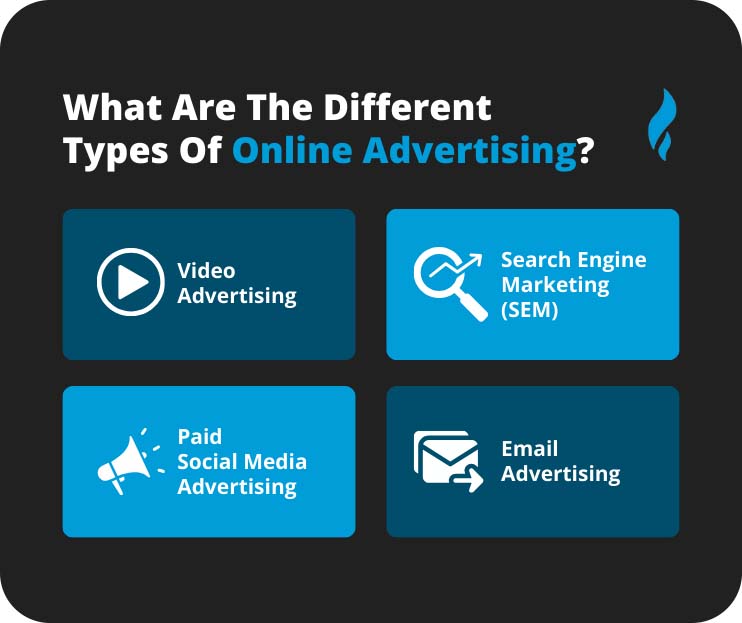
Video Advertising
Videos to promote your brand messages, products, services, or on platforms like YouTube, social media, and websites. These ads use storytelling to boost your brand awareness and sales.
Search Engine Marketing (SEM)
It is paid search advertising to increase your website’s visibility on search engine results pages (SERPs). You bid on relevant keywords to display your ads. This not only drives traffic but also increases conversions.
Paid Social Media Advertising
Paid social advertising to promote content, products, or services on social media platforms. This is targeted digital advertising using demographic filters and performance analytics to increase engagement and conversions.
Email Advertising
It is a digital marketing strategy that uses email campaigns to promote products or services. In email marketing, you send targeted and personalized emails to engage potential customers, drive traffic, and increase sales.
We help your business with compelling content, clear CTA (calls to action), and email segmentation for the best results in email marketing.
What Are The Leading Platforms For Online Advertising?
The leading platforms for online advertising are Google Ads, Meta Ads (Facebook and Instagram), and Amazon Ads. They dominate search, social, and e-commerce, respectively.
Apart from these, TikTok and YouTube ads are ideal for brand awareness, and you use LinkedIn for B2B targeting. They offer better reach, precision targeting, and high ROI for different marketing goals.
- Google Ads: It is the largest PPC platform that is ideal for capturing high-intent traffic through search and display ads.
- Meta Ads: They dominate social media advertising and provide massive reach, sophisticated audience targeting, and strong engagement.
- Amazon Ads: The premier platform for e-commerce that provides direct access to consumers looking to purchase products.
- TikTok Ads: A platform for engaging younger audiences with short-form video content.
- LinkedIn Ads: he best platform for B2B marketing, used by professionals for job-based targeting.
- YouTube Ads: The leading video platform for brand storytelling and video marketing.
Advertising Platforms Evolution
Online advertising has seen significant changes over the past few years with new platforms, algorithms, and trends. Here are some of the digital advertising platforms with the ad type and audience they have:
| Platform | Primary Ad Type | Target Audience |
|---|---|---|
| Search Ads | Broad, High intent | |
| Display Ads | Warm, retargeting audience, high intent | |
| Facebook/ Instagram | Paid Social Advertising | Wide demographics, interests, behaviors |
| Sponsored Content | Professionals, B2B | |
| Twitter (X) | Promoted Tweets | Tech-savvy, Real-time trends |
| Promoted Pins | Visual-oriented, Lifestyle interests | |
| TikTok | Short Video Ads | Young, visual-oriented |
This gives you an overview of the best online marketing platforms and ad goals, helping you get more from your digital advertising efforts.
The fundamentals of Internet advertising are necessary for an effective online advertising strategy, and that’s where LYFE Marketing can help you out with their social media advertising services.
We analyze and optimize ad campaigns for different advertising platforms to improve your ROI (return on investment).
One of the best and probably most user-friendly types of online marketing is social media ads. Below, we’ve broken down the most popular ad channels and their ad types.
1. Facebook Advertising:
Facebook is the king of social media advertising. It has the biggest user base with over 3.049 billion people, making it a great space for business owners to locate their target audience and hit them with a beautiful ad mid-scroll.
When you’re setting up your targeting on Facebook, it’s important to remember that there are three types of audiences that you can target on Facebook:
- Interest-Based Audiences: An audience based on demographics like age, interests, typical behaviors and geography.
- Custom audiences: An audience based on their previous online actions. This allows you to show your ad to people who have already engaged with your business, such as those who visited your website, added items to their cart, or liked your Instagram post.
- Lookalike audiences: An audience made by Facebook who are a new set of people but have similar traits to those of your original audience (be that a customer list, your Facebook followers, a subscriber list etc).
Facebook Ad types:
- Photo Ads
- Video Ads
- Story Ads
- Lead Ads
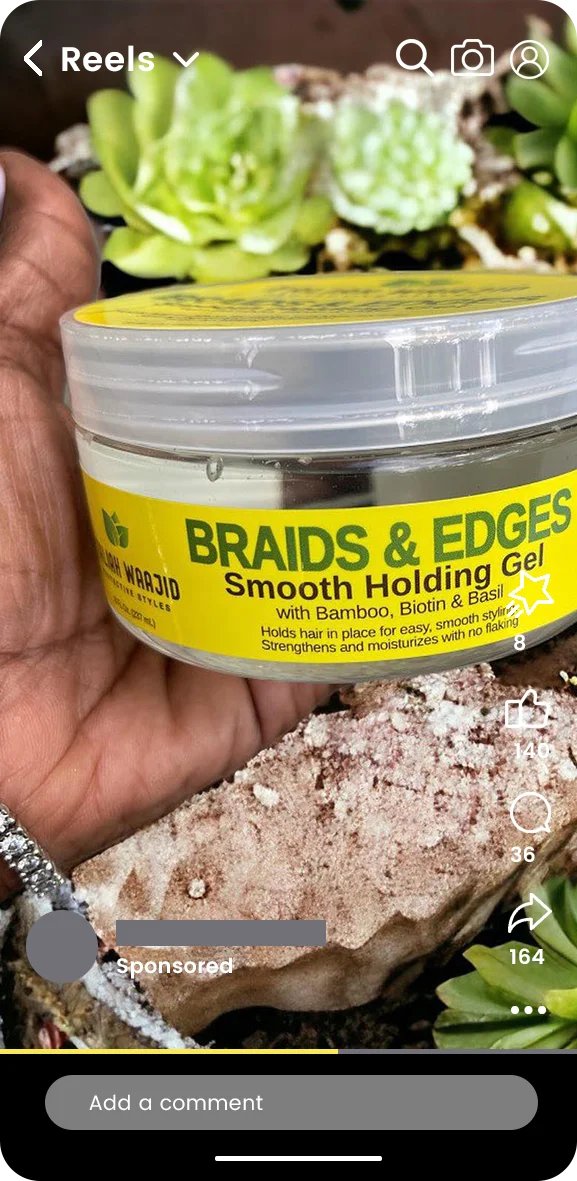
- Reels Ads
- Carousel Ads
- Collection Ads
- Messenger Ads
- Dynamic Ads
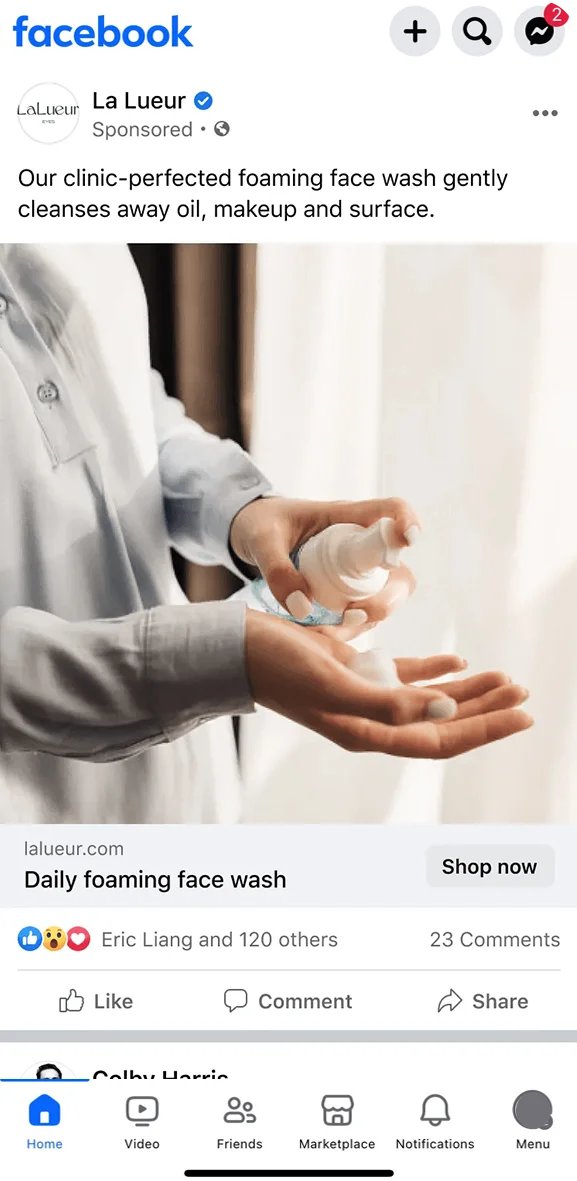
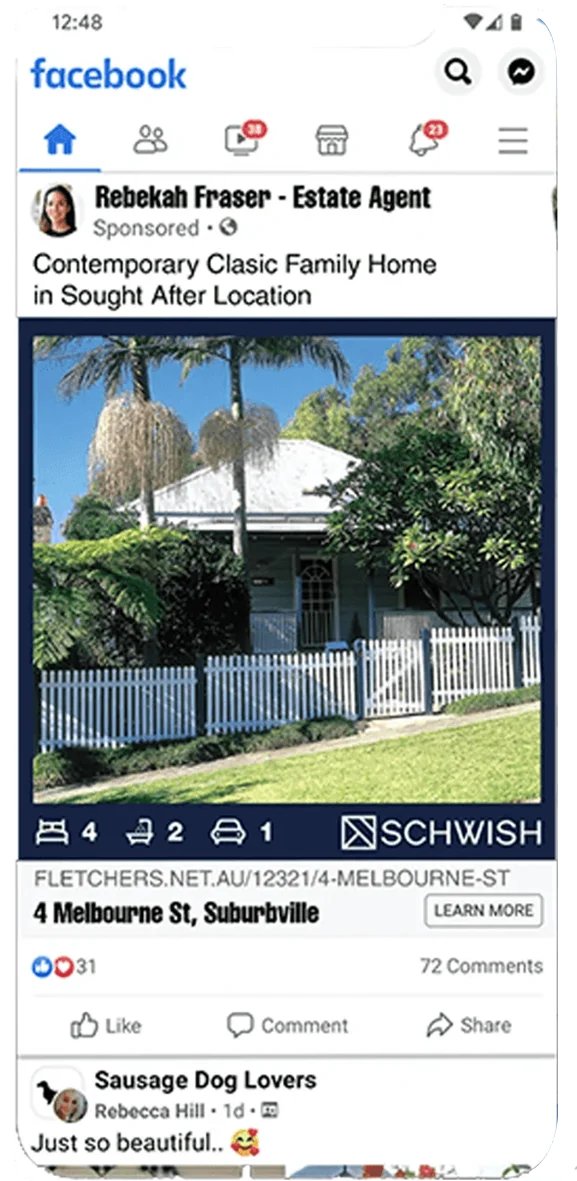
Photo Ads:
These are what the original Facebook ads looked like. Standard, static images with a caption. Use the image space to make a meaningful impact on your audience.
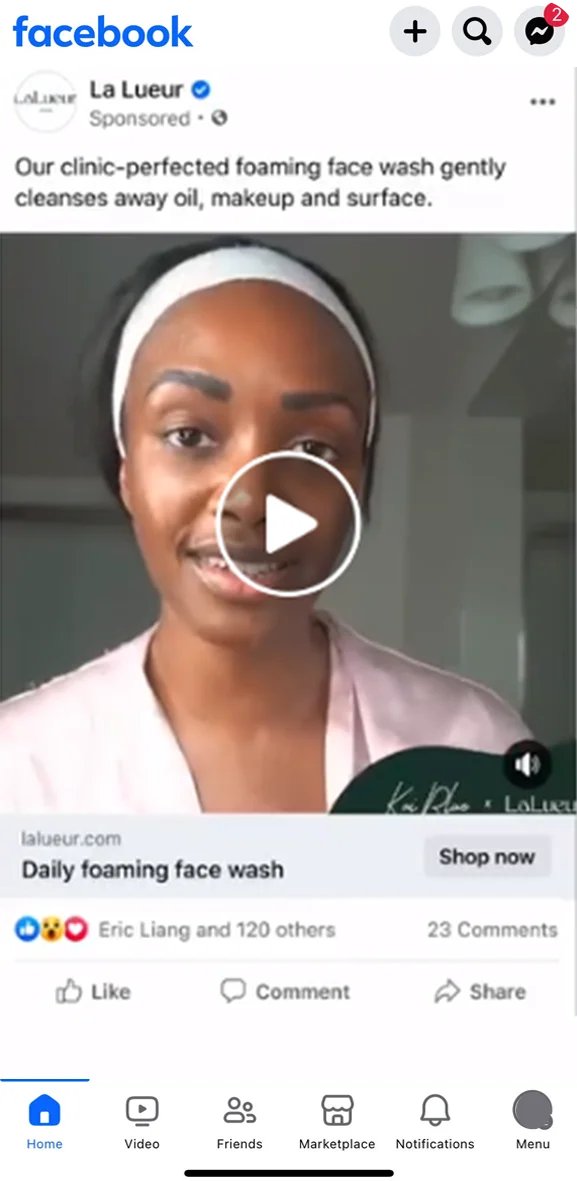
Video Ads:
We’re not quite talking about short video ads here, we’ll get to those in a minute. These are your standard, horizontal video ads.
These are often longer and perform best with subtitles since the majority of users watch videos with the sound off.
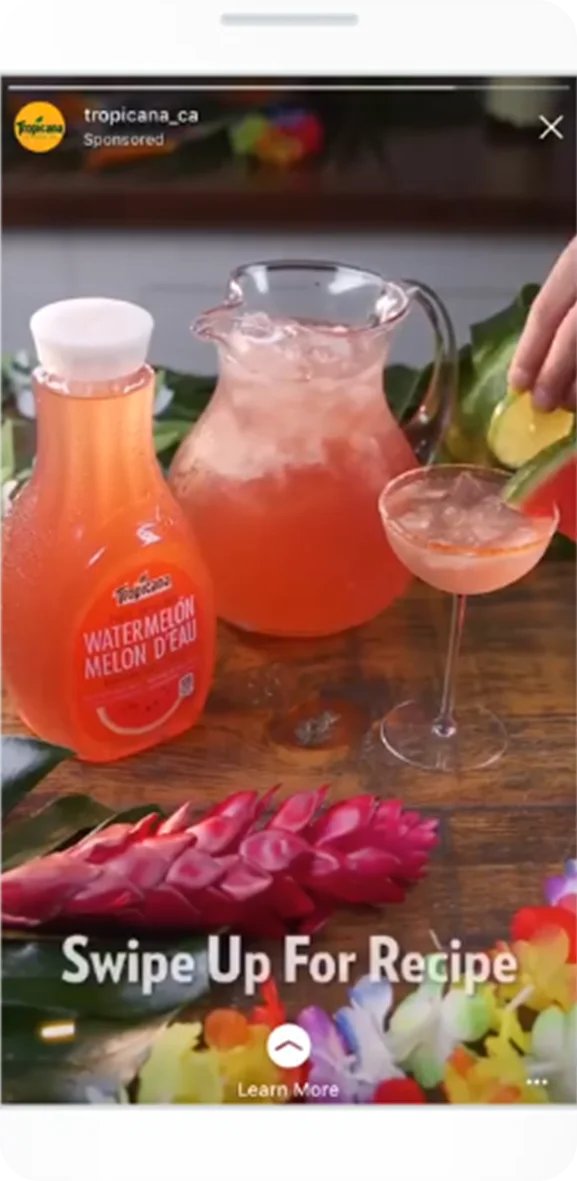
Story Ads:
Story ads are ads that appear between Facebook Stories. They work best in a vertical format, as Stories are viewed that way, and can use static images or videos.
Native lead campaigns on Facebook let you collect basic information from your target audience, such as their name, phone number, and email, along with any custom questions you want to ask, all without users leaving Facebook.
Story ads are ads that appear between Facebook Stories. They work best in a vertical format, as Stories are viewed that way, and can use static images or videos.
You can include a photo or video in these ads and connect your CRM (customer relationship management) system to Facebook Ads Manager so that it doesn’t interfere with your workflow.
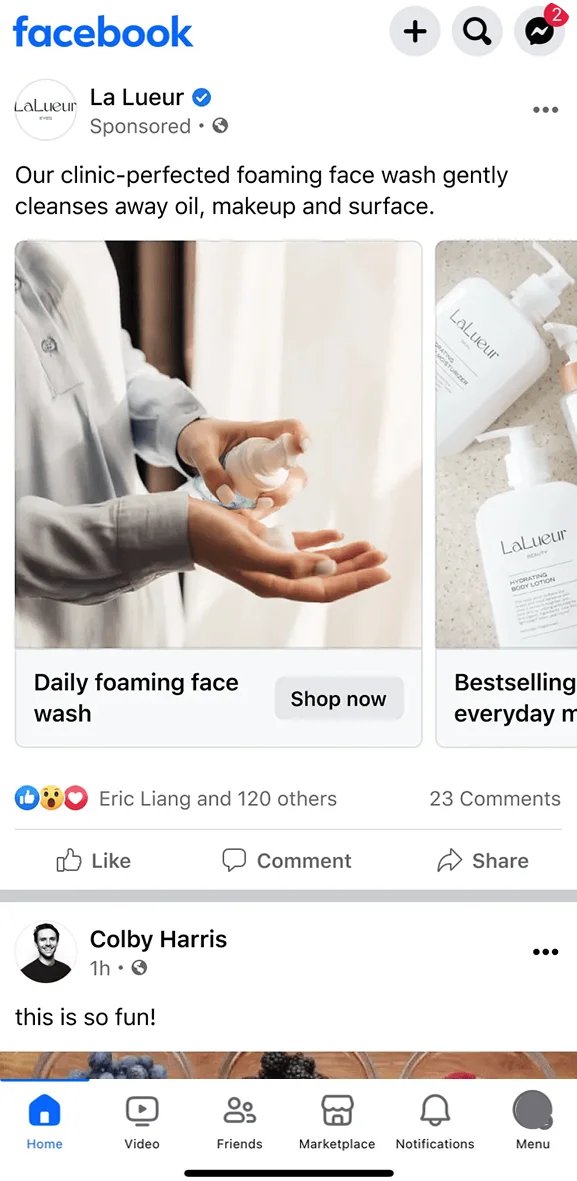
Carousel Ads:
If you don’t have the time or means to create great videos, carousel ads may be the right route for you. You can use video, photos, or graphics from a free tool like Canva to create swipeable cards for your audience.
This format is ideal for e-commerce store owners running product ads, as each card can link to the relevant product page.
It’s also useful for service-based businesses that want to tell a story about how they help customers from point A to point B.
Collection Ads:
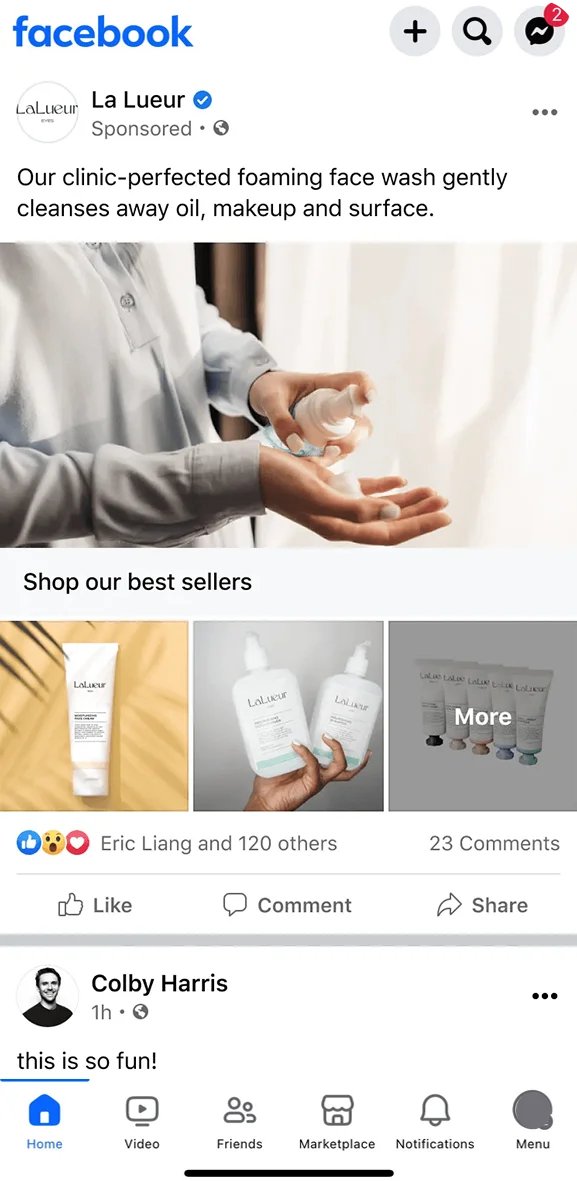
Collection ads are perfect for e-commerce store owners. They feature a cover image or video followed by three product images.
When someone taps on a collection ad, they see an Instant Experience, a full-screen landing page that opens within Facebook.
You can create your Instant Experience using templates like Storefront, Lookbook, or Customer Acquisition, or you can build a custom version.
This is a great way to engage potential customers without sending them off-site. It is ideal if you’re still building brand awareness.
Messenger Ads:
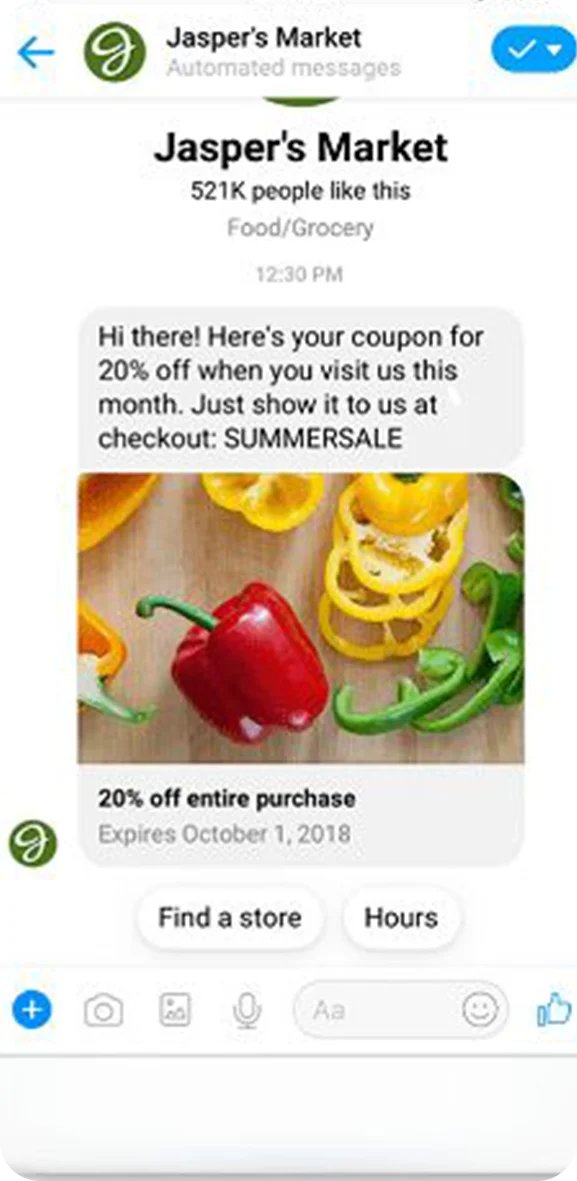
Messenger ads create conversations between your brand and your audience within their Facebook Messenger inbox. The ads are displayed in the Chats tab in the Facebook Messenger app.
When users tap on an ad, they are directed to a specific view in Messenger that includes a call-to-action. This could lead them to your website, app, or start a chat with your business in Messenger.
Dynamic Ads:
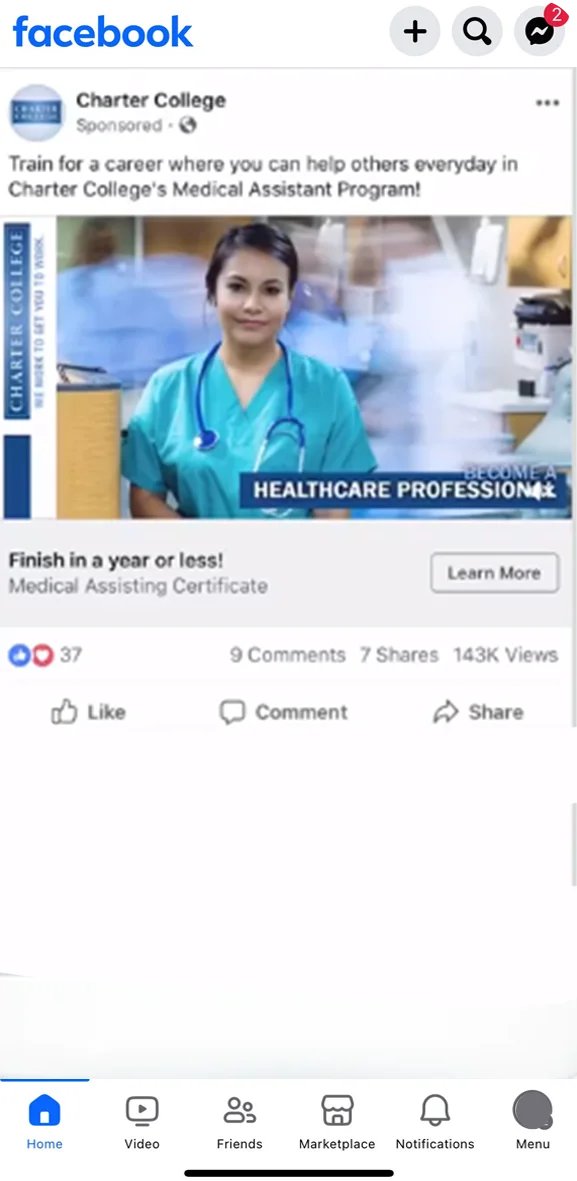
Dynamic ads are ads that change based on conditions that you set ahead of time and/or based on what the user will most likely interact with best.
For example, you can retarget visitors to your website, showing them the specific products they viewed in your dynamic ad.
This is great for creating a personalized experience that moves your buyer further down the marketing funnel.
2. Instagram Advertising:
Instagram, with its visually-driven community, is a playground for small businesses. Think eye-catching visuals and compelling stories.
Use Instagram’s photo and video ads, carousel ads for immersive narratives, or explore the power of Instagram Stories. Your products or services can become a part of your audience’s daily scroll.
Because Instagram and Facebook are both owned by Meta, Instagram offers many of the same ad types and features as Facebook.
Instagram Ad Types:
- Photo Ads
- Video Ads
- Dynamic Ads
- Story Ads
- Carousel Ads
- Reel Ads
One ad type that Instagram offers but Facebook doesn’t is the Explore ad. These ads appear in Instagram’s Explore feed, which attracts a lot of traffic and can be very beneficial for business owners.
3. LinkedIn Advertising:
LinkedIn is the professional’s hub, and that’s where your small business can make its mark. With sponsored content, you can target professionals by industry, company size, or job title.
LinkedIn is key for B2B success, helping your brand connect with decision-makers. It’s not just about ads; it’s about building business connections that elevate your small business in industry discussions.
LinkedIn Ad Types:
| Objective | Marketing goal | Supporting ad formats |
|---|---|---|
|
Brand awareness |
“I want more people to learn about my business.” |
|
| “I want more people to visit a website destination off LinkedIn.” |
|
|
|
Engagement |
“I want more people to engage with my content posts.” |
|
|
Video views |
“I want more people to watch my videos.” |
|
|
Lead generation |
“I want more quality leads on LinkedIn.” |
|
|
Website conversions |
“I want more purchases, registrations or downloads.” |
|
|
Job seekers |
“I want more promote job opportunities at my company.” |
|







We know what photo, video, dynamic and carousel ads are, but let’s talk about these other LinkedIn-specific ad types.
Document Ads
Document ads are excellent for promoting lead magnets. You can advertise both gated and ungated documents directly in users’ feeds, allowing them to read and download content without leaving LinkedIn.
Text Ads
Text ads are exactly how they sound: ads that consist of text without any visuals. Because of this, they may fit into placements where video and image ads can’t. However, you need to have an extra-compelling copy to capture the user’s attention.
Sponsored Messaging Ads
This ad type sends direct messages to spark an immediate, desired action. Deliver a targeted message with a single call-to-action. Sponsored Messaging is available in two formats: Message ads and Conversation ads. In either format, ads are delivered in LinkedIn Messenger only when members are active to ensure higher conversion.
4. Pinterest Advertising:
Enter Pinterest, the visual search engine. Here, your small business can showcase products through Promoted Pins – visuals that resonate with users’ aspirations.
Pinterest’s engaged audience actively searches for inspiration, making it a haven for discovery. When your product becomes part of their vision board, you’re not just advertising; you’re becoming a part of the dreams your audience is weaving.
Pinterest’s ad types aim to help you with one or more of these objectives:
Awareness
Grow your reach and build brand or product awareness
Consideration
Get more traffic to content on or off Pinterest
Conversions
Drive actions like online sales, signups, and subscriptions
Offline sales
Increase in-store purchases
Pinterest Ad Types:
Let’s go over some of the Pinterest-specific ad types.
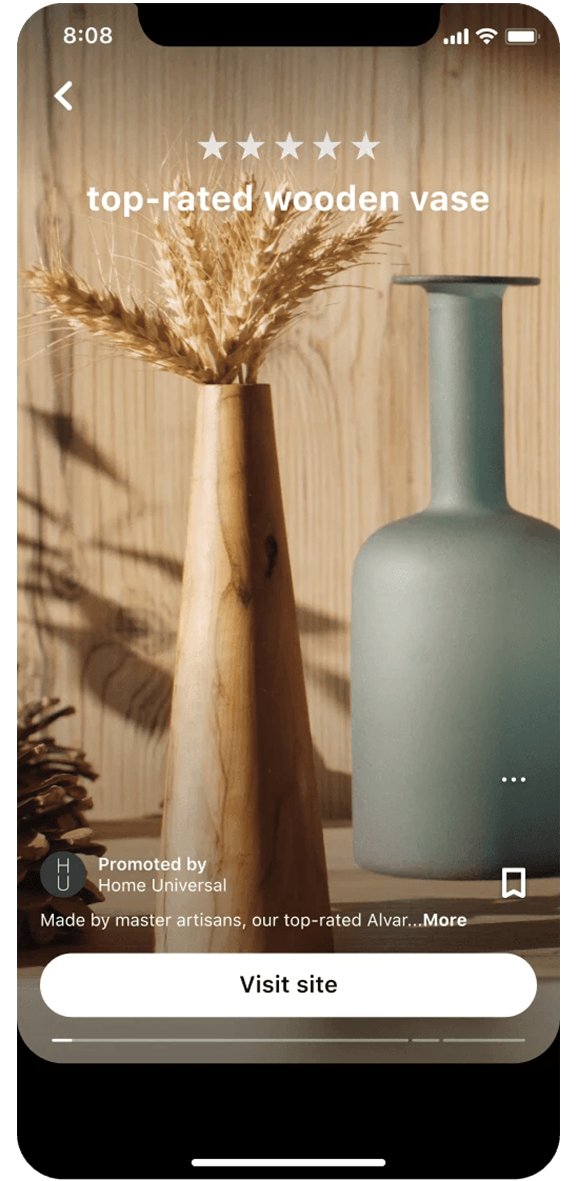
Idea
Drive engagement with an innovative idea. It can showcase a beautifully styled vase.
The idea inspires users to get a similar thing and make a purchase.
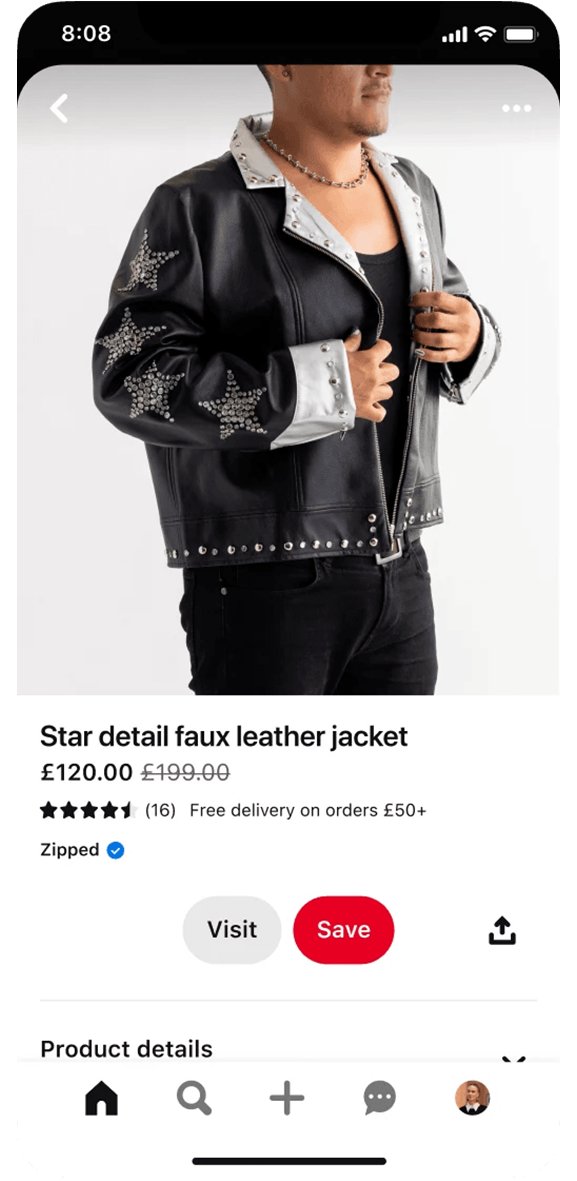
Shopping
Turn product Pins into ads. Can also send shoppers straight from an ad into your native app.
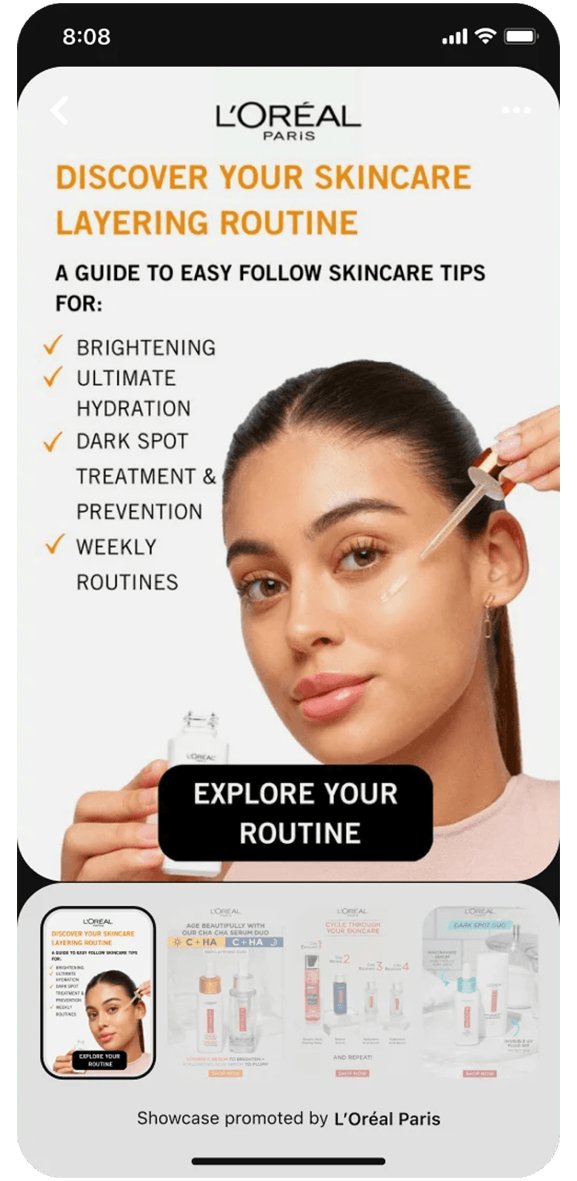
Showcase
Showcase ads feature a title Pin plus multiple, swipeable cards that can each include a link to your site.
You can stitch together videos and images, helping people explore the many sides of your brand.
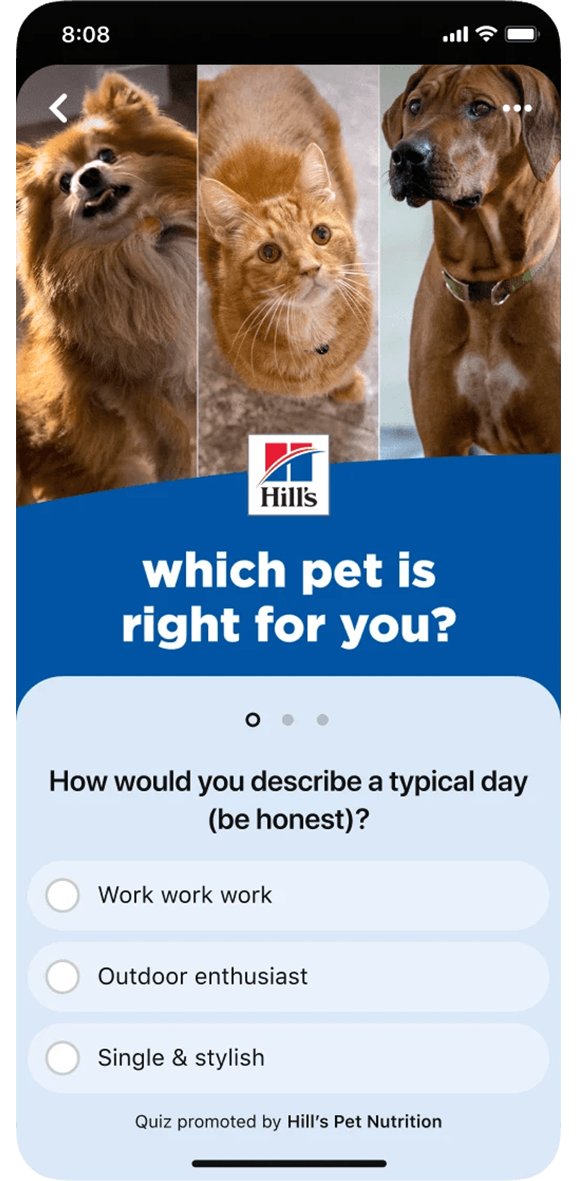
Quiz
Drive engagement with fun, interactive quizzes. Include up to three questions, plus custom results for different quiz answers.
5. Twitter (X) Advertising:
Twitter (X) is not just about 280 characters; it’s a powerful space for your small business to join trending conversations. Promoted ads allow you to insert your brand into the chatter, targeting users based on interests and real-time trends.
It’s more than just an ad; it’s a conversation starter. With Twitter (X) ads, you’re not just reaching an audience; you’re becoming a voice in a sea of tweets, making your small business a trend.
Twitter (X) Ad Types:
- Promoted Ads
- Vertical Video Ads
- X Amplify
- X Takeover
- X Live
- Dynamic Product Ads
- Collection Ads
- X Ad Features
Let’s talk about some of the Twitter-specific ad types and what you need to know about them.
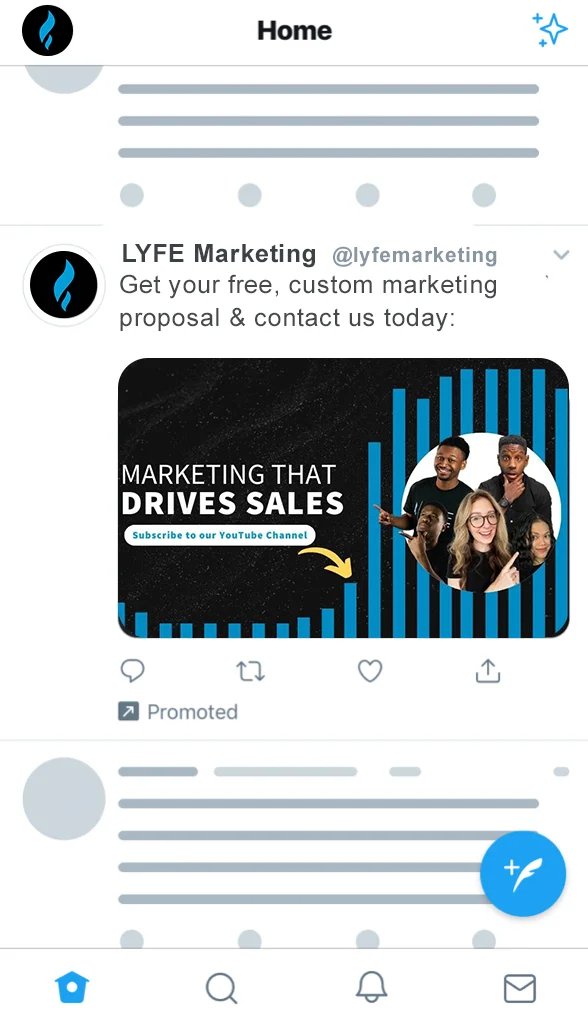
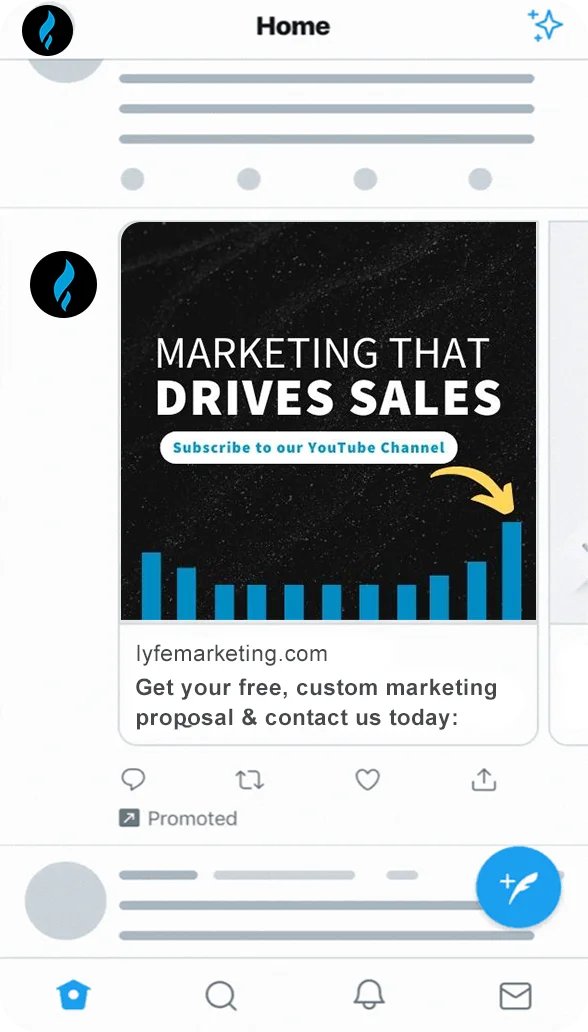
Promoted Ads
Promoted Ads are your standard ads on Twitter (X). You can run image, video, carousel, and text ads with this type.
Vertical Video Ads
While Twitter (X) doesn’t have its own version of TikToks or Reels, it does promote vertical video ads with this ad type.

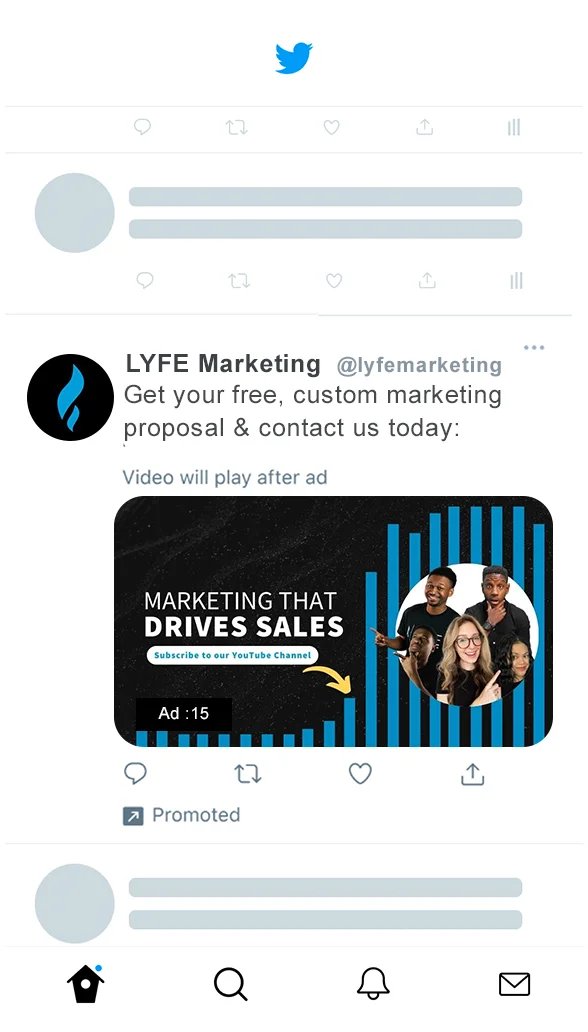
X Amplify
You can connect their advertising to premium video content from the most relevant publishers using X Amplify. The ad formats for Amplify offers are divided into two categories:
- Amplify Pre-roll: Select from over 15 different content categories, including specific Curated Categories, for the videos on which their ads will appear.
- Amplify Sponsorship: Opt for a 1:1 partnership with a single publication at any time during the advertising campaign, giving them post-level control. Please note that self-serve advertisers are not currently eligible for Amplify Sponsorships.
X Takeover
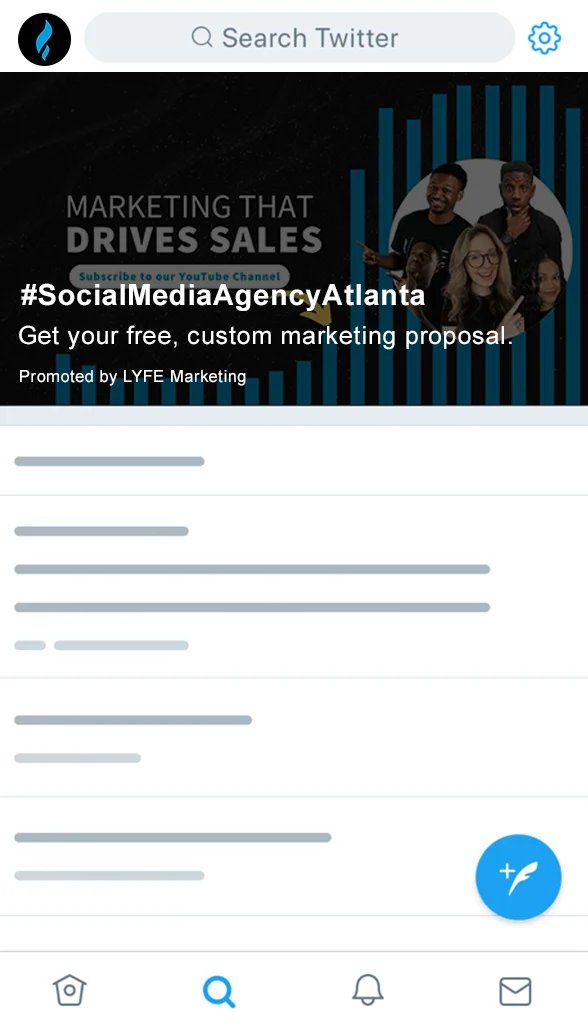
X’s Takeover offerings use the Timeline and Explore tabs. They provide premium, mass-reach ads that work for the entire marketing funnel.
These placements give advertisers exclusive control over X’s valuable real estate on desktop and mobile. You can enhance reach and drive engagement.
Takeover placements include:
- Timeline Takeover: As the first ad of the day, this placement puts businesses front and center in the conversation. When users open X, your advertisement appears first, capturing their attention immediately.
- Trend Takeover: This placement positions ads alongside popular content on the Explore tab, placing your messages and immersive video creative right where the conversation begins.
X Live
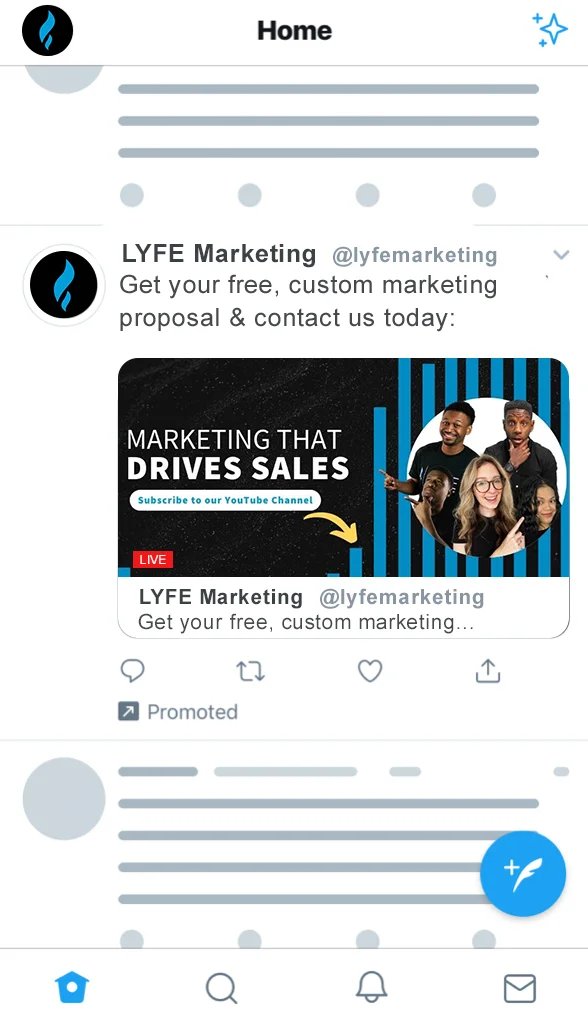
With X Live, marketers can share their greatest moments with the globe and invite viewers to participate in real-time. X Live helps brands make the most of their best livestream content.
It can spark meaningful conversations with the audiences that matter, from product launches and conferences to watch parties and fashion displays.
Dynamic Product Ads
These operate the same way as Facebook’s dynamic ads. It allows advertisers to show the most relevant product to the right customer at the right time.
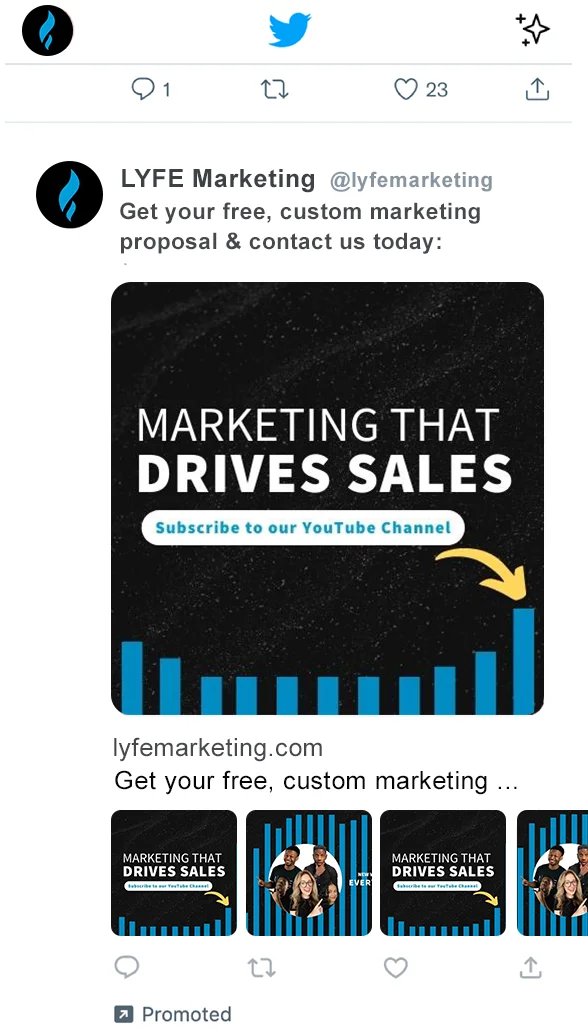
Collection Ads
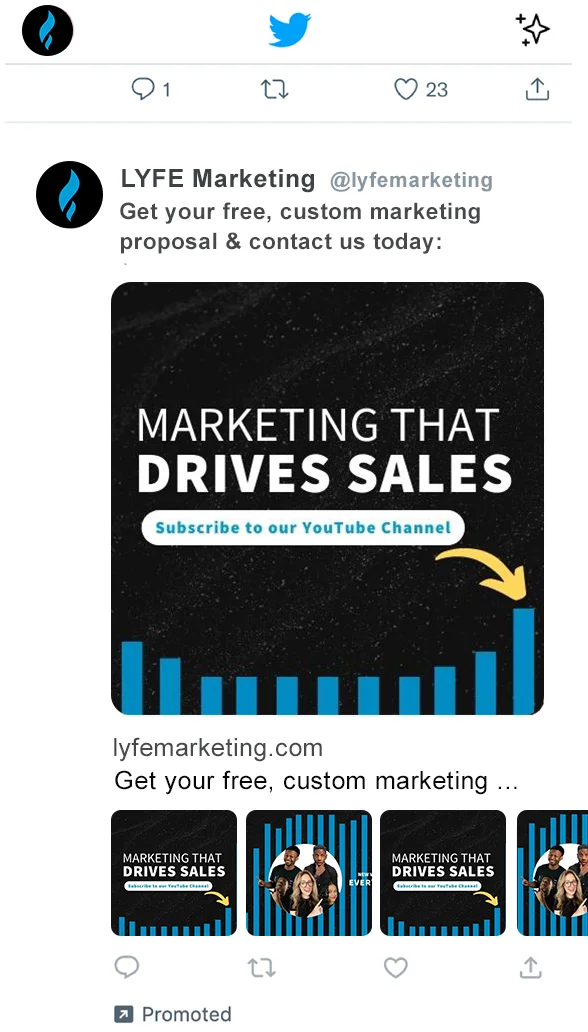
Like Facebook’s collection ads, you can show product images in a Collection ad. It uses a main image and smaller thumbnails below it.
X Ad Features
X ad features encompass the standard and branded features that can be applied across the remaining five format categories:
- App Buttons
- Website Buttons
- Branded Hashtags
- Branded Notifications
6. YouTube Advertising:
YouTube is nearly the largest search engine on the internet, second only to Google. But, it’s on our social media advertising list because it’s not just a search engine. People interact, view, comment, and click as much on this platform as they do on any other.
As a social media/search engine hybrid, YouTube offers various ad types. From skippable to non-skippable ads, your video becomes an immersive experience.
Capture attention with pre-roll ads or engage viewers with in-stream videos. It’s not just an ad; it’s your small business taking center stage in the visual world, telling a story that resonates.
YouTube Ad Types:
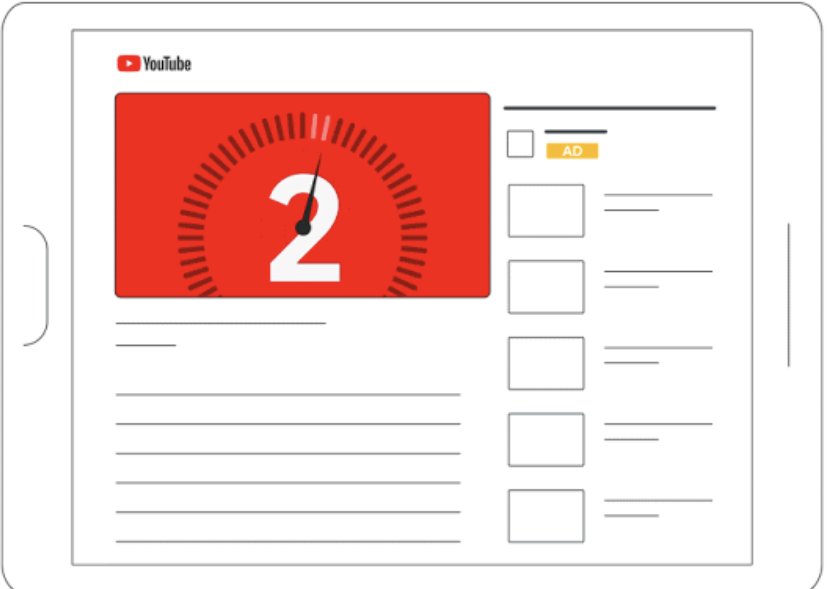
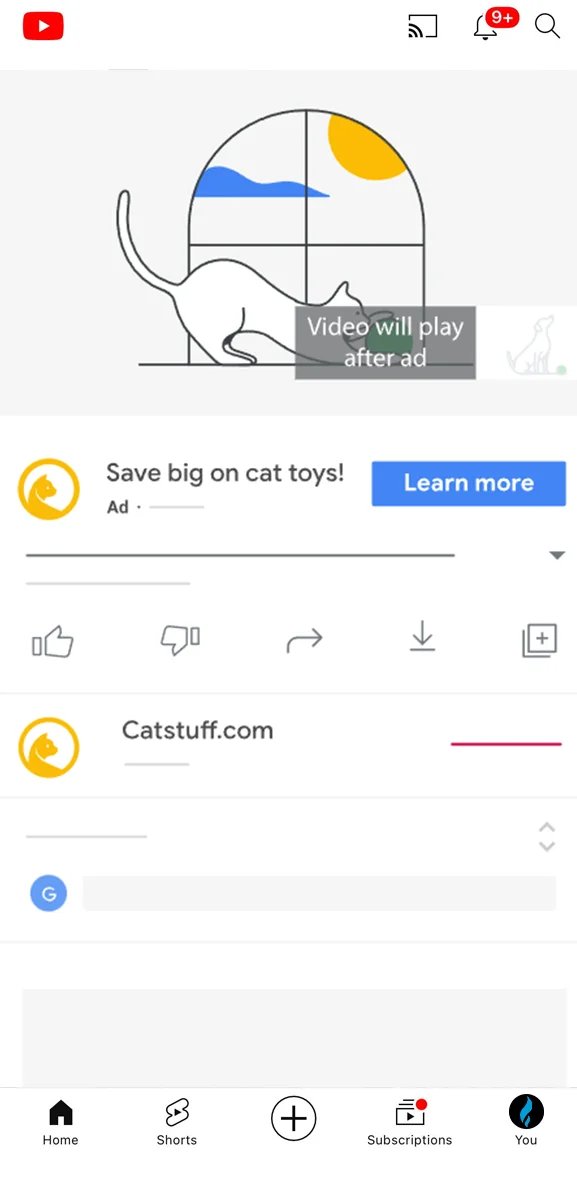
- Skippable In-stream Ads
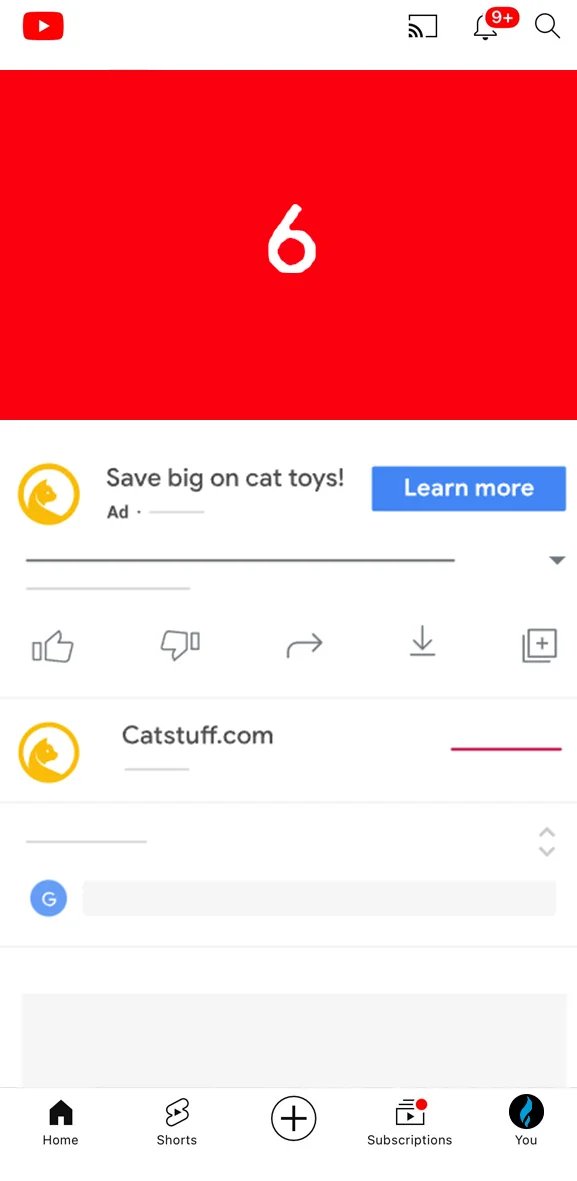
- Non-skippable In-stream Ads
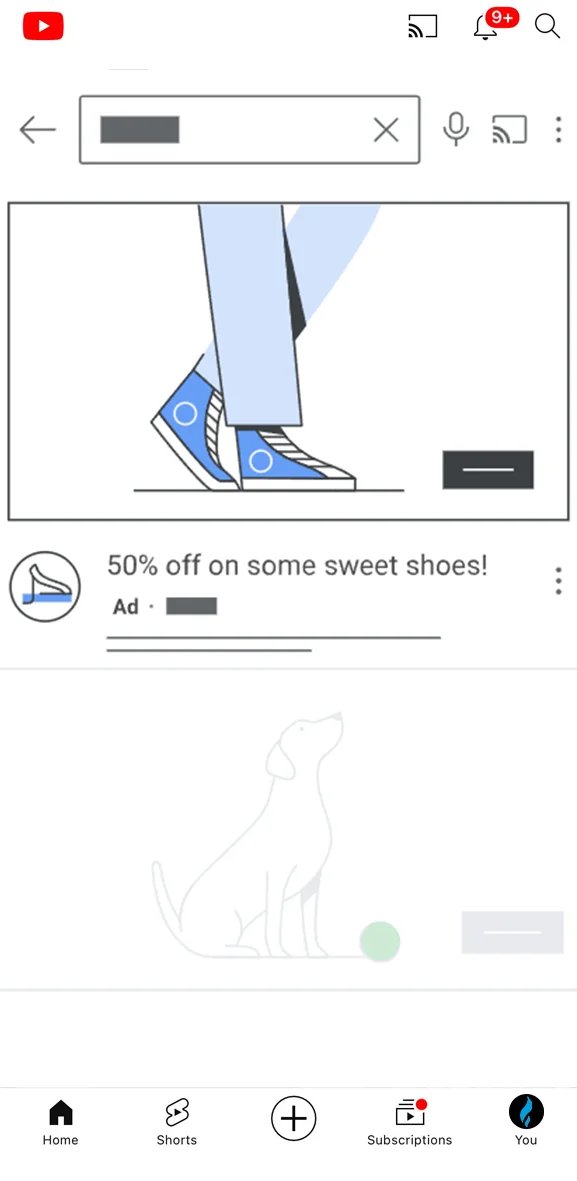
- In-feed Video Ads
- Bumper Ads
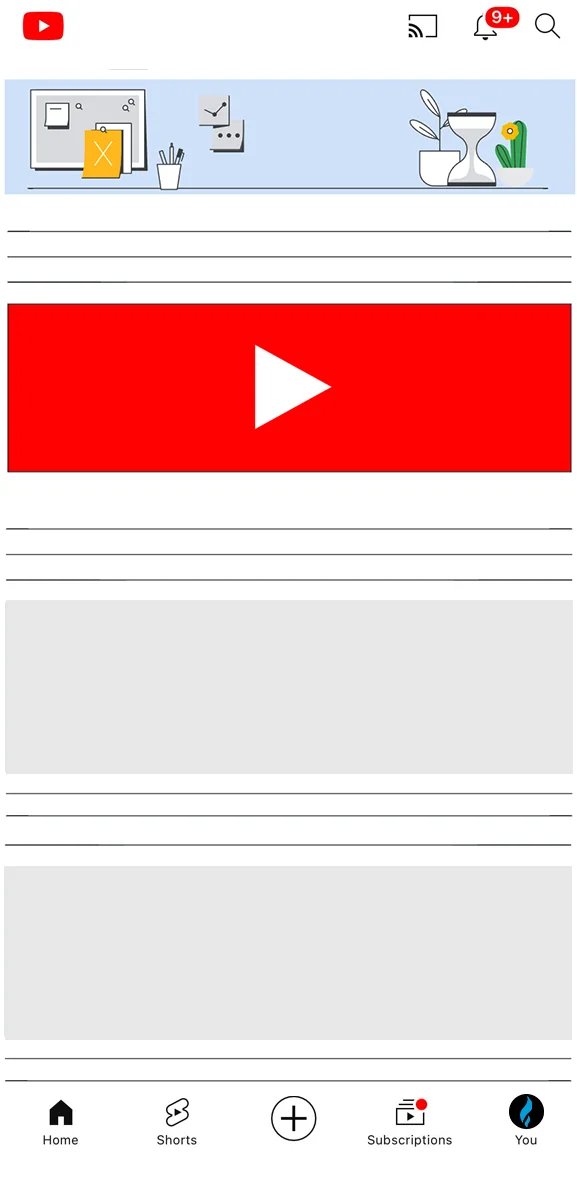
- Outstream Ads
- Masthead Ads
| Skippable in-stream | In-feed | Non-skippable in-stream | Bumper | Outstream | |
|---|---|---|---|---|---|
 |
 |
 |
 |
 |
|
| Selling point: | Users can skip so you are only charged for views | Shows to highly engaged users in the discovery and searching phase | Users can’t skip so they view your whole message | Quick message that can’t be skipped to raise awareness or reinforce other ads. | Raise awareness to users outside of Google when they are browsing their favorite sites |
| Where does it serve? | YouTube videos, GVP | YouTube Homefeed, YouTube Search | YouTube videos, GVP | YouTube videos, GVP | GVP |
| Max video length? | No max length (less than 3 mins recommended) | No max length | 15–30 seconds | 6 seconds | No max length |
| Views reported in Google Ads? | Yes | Yes | No | No | Yes |
| Can increment public view count? | Yes (videos less than 10 seconds will not) | Yes | No | No | Yes |
| Can remarket to viewers? | Yes | Yes | No | No | Yes |
Skippable In-stream Ads
Skippable in-stream ads are exactly what they sound like. They appear on a video and only play for a few seconds before giving the user the option to skip them. These ads can run before, during, or after other videos on YouTube and other Google video partners.
Non-skippable In-stream Ads
Non-skippable ads are ads wherein the viewer has to watch the whole ad. Because viewers have to view the entire message, the ads are often shorter and/or are a tad more expensive.
In-feed Video Ads
In-feed video ads appear in places of discovery, such as next to related YouTube videos, as part of a YouTube search result, or on the YouTube mobile homepage.
Bumper Ads
Bumper ads are short video ads that are 6 seconds or less. Because they’re so short, you want to deliver your message concisely and powerfully. These ads are often received better because they don’t disrupt the user’s viewing experience as much.
Outstream Ads
Outstream ads are mobile-only and do not appear in the desktop viewing experience.
Masthead Ads
With YouTube Masthead, you can highlight your brand, product, or service using a native video-based ad format. It appears in the YouTube Home feed on all devices.
7. Snapchat Advertising:
Snapchat, the platform of fleeting moments, offers opportunities for your small business to make lasting impressions. With Sponsored Lenses, your brand can become part of users’ playful snaps.
Geofilters let you target users in specific locations. It’s all about being part of the fun, making your business an essential element in the daily snaps of your audience.
Snapchat Ad Types:
|
Single Image or Video Ads
|
Story Ads
|

|
Collection Ads
|
AR Ad
|

AR Ads stands for Augmented Reality ads. This uses Snapchat Lenses, an interactive augmented reality experience designed to drive impact.
8. TikTok Advertising:
TikTok is the hub of short-form videos. It serves as a playground for your business’s creativity. With TikTok ads, your brand can use In-Feed ads for seamless integration into users’ endless scrolls.
Branded Hashtag Challenges spark user engagement, making your business a trending topic. By using trends and ad spending, you can capture attention to turn internet users into loyal customers.
TikTok Ad Types:
- Vertical Video (In-feed Ads)
- TikTok Top View Ads
- TikTok Brand Takeover Ads
- TikTok Branded Hashtag Ads
- TikTok Branded Effects
- TikTok Collection Ads
- TikTok Spark Ads
Vertical Video Ads
Native video ads that show up with organic material in consumers’ For You feeds are known as “in-feed ads.” These commercials are skippable and last up to 60 seconds. Users can engage with the ads by liking, sharing, or commenting on them.
TopView Ads
When a user launches the TikTok app, full-screen video advertisements play. These visual advertisements are perfect for drawing in viewers and building brand recognition. TopView ads are non-skippable and have a maximum duration of 60 seconds.
Brand Takeover Ads
Ads for full-screen videos that play as soon as a consumer launches the TikTok app. These ads can, however, be interactive and contain buttons that prompt viewers to perform particular actions, such as downloading an app or going to a website.
Branded Hashtag Challenges
These are a unique form of ads that inspire users to create and share content centered around a specific theme or challenge.
They can include add-ons like effects, music, and branding elements. These ads serve as an effective tool for marketers to engage consumers and enhance brand recognition.
Branded Effects
Users can add unique filters and effects to their TikTok videos. The logo and other branded components of a company can have these effects to increase brand awareness.
Collection Ads
A type of in-feed video ad that directs users to an in-app storefront, allowing them to browse your product or service without leaving the app.
Spark Ads
A native ad format where you can use organic TikTok postings (with permissions). This makes sure that views, comments, shares, likes, and followers generated are credited to your organic content.
Paid Search Advertising
Paid search advertising, such as Google Ads, allows you to pay for your ad to appear when someone enters a specific search query.
For example, if you provide plumbing services, you’d want your website to appear at the top of the search results when someone searches for “plumbing near me” on Google.
Paid search advertising is also known as PPC advertising, which stands for pay-per-click.
This is because you only pay when someone clicks on your ad. So, watch your CTR, or click-through rates, and conversions. You want to ensure the clicks are worth it.
There are 3 different purposes for running paid search ads:
- The search query is directly related to what you offer, so you want your ad to show up when someone searches for that product or service.
- Somebody already visited your website, and you want to re-target them with website ads.
- You want to play defense against your competitors and ensure their ads do not appear when someone searches your brand name.
Keywords
Keywords are the search queries people type into Google that you want your ad to appear for. They can be more than one word, even a whole phrase. When you’re planning your keyword strategy, it’s important to think of user intent.
For example, a search for “coffee shop” likely means a nearby one. They might open Google Maps from the search results. Let’s dive deeper into everything you need to know about keywords as a beginner.
Match Types
There are 3 match types to choose from when picking out your keywords: broad, phrase and exact match.
Broad Match
This is comprehensive matching. If you choose broad match, your ad will appear for relevant searches. This includes searches that don’t contain your keywords.
For example, if your broad match keyword is “low-carb diet plan,” your ads can appear when someone searches “carb-free foods,” “low-carb diet,” or “Mediterranean diet books.”
This can be good or bad. On the one hand, your ad will show up for more searches, but on the other hand, it could show up for irrelevant searches.
Phrase Match
This is considered moderate matching. When using phrase match, your ad will appear so long as the search has your keywords somewhere in the search.
For example, if your phrase match keyword is “tennis shoes,” your ad might appear when someone searches for terms like “red tennis shoes,” “shoes for tennis,” or “comfortable tennis sneakers.”
To let Google know you’re using phrase match, put quotation marks around your keyword, like this: “tennis shoes.”
Exact Match
This is considered tight matching. An exact match ensures your ad shows up only for the precise keyword you’re targeting or a close variation.
For example, if your exact match keyword is “shoes for men,” your ad might appear for searches like “shoes for men,” “shoes men,” “shoes for a man,” or “men’s shoes.”
To tell Google you want to use an exact match, you need to put brackets around the keyword like this: [shoes for men]
Negative Keywords
This isn’t a fourth match type but something to keep in mind when setting up your paid advertising campaigns. Negative keywords are the search queries you don’t want your ad to appear for.
For example, if you sell shoes but not tennis shoes, you’d want to add ‘tennis shoes’ as a negative keyword. This prevents your ad from showing up for irrelevant searches that don’t lead to conversions.
Google vs Bing vs Yahoo
Which search engine should you advertise on? Well, let’s look at some stats.
| Bing | Yahoo | |
|---|---|---|
| 8.5 billion searches per day | Over 900 million searches per day | 700 million users on mobile monthly |
| 83% of desktop search engine market share worldwide | 9% of desktop search engine market share worldwide | 3% of desktop search engine market share worldwide |
For small businesses looking to grow their brand and increase conversions, we suggest using Google Ads. Also, learn how to get more Google reviews to increase your brand authority.
Native Advertising
Native advertising includes paid advertisements that blend in with their media environment. They don’t interfere with the viewer’s experience because they feel like they’re a part of the content.
Advertisers are able to provide content in a way that draws users in without being overtly promotional. These ads are often marked with very subtle text such as “Sponsored” or “Ad” or “Promoted” and look like the organic content on the platform.
Display Advertising
Display advertising uses images with a URL to send traffic to your website or landing page. On Google, the text ads at the top of the search results are the Search ads. The image ads on various websites, like blogs and recipe pages, are called Display ads.
These are also sometimes called Banner ads or website ads. The websites that these ads appear on are a part of the Google Display Network.
Facebook Audience Network
The Facebook Audience Network is the Facebook version of Google’s Display Network. It lets brands place ads on websites and apps that their Facebook audience visits.
Ad types include native ads, banners, full-screen ads, in-stream videos, and rewarded video ads (like “Watch this ad to earn more tokens!”).
How To Choose The Best Online Advertising Platforms
Choosing the best online advertising platforms starts with understanding where your audience spends time and what actions you want them to take. The right online ad platform for your business depends on your target audience, budget, and campaign goals.
If you sell products online, platforms like Google Shopping and Amazon Ads put your listings in front of high-intent buyers. For brand awareness, social media advertising on Facebook, Instagram, and TikTok offers cost-effective reach.
B2B companies often find the best online advertising results on LinkedIn, where you can target by job title, company size, and industry.
Search Engine Advertising
You can use search engine advertising to target potential customers who are searching for products or services you sell. Different search ad options include:
- Google Ads: Best for keyword-targeted ads.
- Bing: For targeting specific demographics at a lower cost-per-click (CPC).
- Niche Search Engines: Industry-specific sites with a niche audience.
Social Media Advertising
Social media platforms allow businesses to target specific audiences with paid social advertising. The best social media platforms to advertise on include:
- Facebook: The platform provides massive reach and different ad options to reach its 3 billion daily active users with targeting options.
- Instagram: Perfect for promoting visually appealing products and services with the targeting options of Meta (Facebook).
- Twitter (X): With ads such as Promoted Tweets and In-Stream Videos, Twitter (X) can be a great option for hyper-targeted campaigns and engagement.
- YouTube: With options like skippable, non-skippable, and bumper ads, YouTube can be an excellent choice for businesses looking to use video marketing.
- LinkedIn: LinkedIn can be a powerful tool for B2B online marketing and employer branding.
- Pinterest: For E-commerce brands and visually focused industries, Pinterest offers an ideal platform to showcase products and services.
- TikTok: TikTok represents a unique opportunity to reach younger demographics and drive engagement with short-form video content. You can drive a thousand views and more on your first TikTok when executed well.
- Snapchat: Snapchat offers playful and interactive ad formats targeting young audiences.
Other Advertising Networks
Apart from search engines, social media should also use these platforms for online advertising:
- Amazon: It’s the largest online marketplace, and E-commerce brands can use it to promote products and drive sales.
- AdRoll: It’s a display marketing platform that supports retargeting across multiple channels to increase your chances of reaching consumers who have previously engaged with your brand.
We recommend using all advertising platforms where your audience is present and later using analytics to choose the platforms that deliver the best return on investment (ROI).
Online Advertising Bids & Budgets
What is a Bid?
A bid is the most you’re ready to pay for a specific action on your ad. Think of it as an auction where you set the price. You’re telling the ad platform, “I don’t want to spend more than $X for a click,” or a lead, or whatever your ad campaign is optimizing for.
Ad platforms run auctions to decide which ads to show to their user base, and the highest bidder takes the ads. Here is how it happens:
Understanding Bidding Systems
If you bid $10 for a click, and the next bidder offers $3. You only pay a penny more than the second-highest bid. So, you’ll only shell out $3.01.
Winning this auction, combined with top-notch ads, determines how your business shines across ad networks. It’s your chance to stand out without breaking the bank!
Digital advertising has two bidding systems:
Manual Bidding
This type of advertising bid sets the maximum cost per click (CPC) for each ad. This provides full control over your bids and allows you to adjust spending based on how your ads perform.
We check your campaign performance regularly and adjust bids based on the results.
Automated Bidding
This type of advertising bid is managed by advertising platforms that automatically set your bids to meet digital advertising objectives.
Some of the automated bidding strategies include:
- Maximum Clicks: Bid adjusted to receive maximum clicks within your budget.
- Target CPA (cost per action): This delivers the desired cost per conversion.
If you’re ok managing your bid, choose manual bidding; otherwise, Automated bidding is the best, and it saves both time and work on your end with a balance between control and efficiency that suits your needs.
Allocating Ad Spend
Allocating your ad spend properly is key to maximizing your internet advertising results. First, decide your total campaign budget, then set a daily budget. This way, your ads run constantly without using up your budget too fast.
It’s essential to monitor and adjust your daily budget based on your campaign’s performance. To optimize your ad spend, consider the following tips:
- Evaluate your target audience: Allocate more budget to the segments driving the most conversions or engagement.
- Analyze your competitors: Identify gaps in the market and the keywords your competitors are targeting, which can help you allocate your budget effectively.
- Prioritize ad groups and channels: Focus on ad groups and channels that bring the best return on investment (ROI).
Ad Quality & How It Affects Your Bid & Budget
Earlier, we said winning the ad auction and top-notch ads will determine how your business performs across ad networks. Well, “top-notch” ads are not subjective.
Ad platforms like Facebook have quantitative qualifiers to determine if your ad is effective. They look at how many people engage with the ad compared to those who ignore, dislike, or report it. This helps them give your ad a quality score.
When deciding whether to show your ad or your competitor’s (any business targeting the same audience), ad networks will look at the winning ad auction and the quality score of the ad to give it an ad rank.
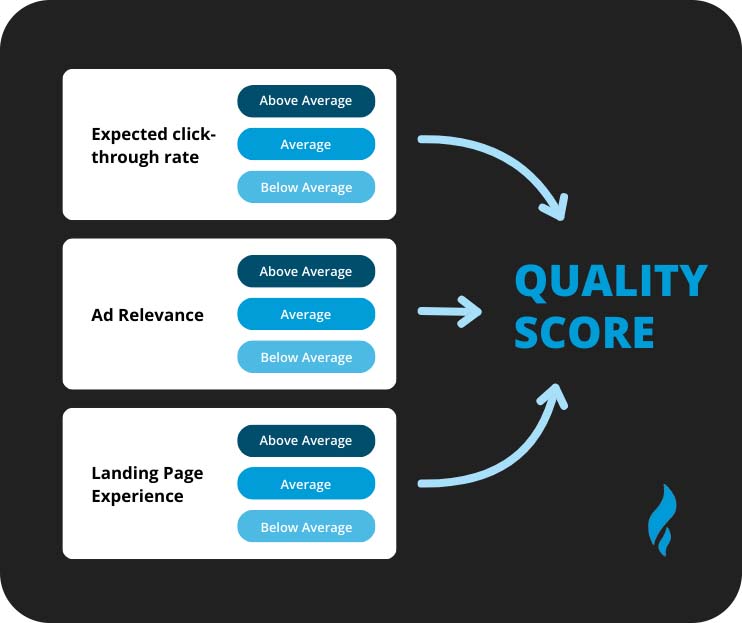
The ad with the winning ad rank is the ad that gets shown.
How Much Should I Spend On Online Advertising?
Here is our tried and tested formula for how much you should spend on online advertising:
$ Lifetime Value (LTV) x Average Lead-to-Customer Rate % x Average Conversion Rate %
Now, keep in mind LTV is not the average order value; it’s the average lifetime value of the customer.
So, for example, if the average customer spends $100, your average lead-to-customer rate is 8%, and your average conversion rate is 5%, then you should spend no more than $4 for a click.
Haven’t had many customers yet to know what your customer LTV is? A good rule of thumb is to dedicate 10% of your overall budget to online advertising until you have steady revenue coming in. At that point, you can dedicate more when and where necessary.
Understanding Online Advertising
Fundamentals of Digital Marketing
As a business owner, you should know the basics of Internet advertising to make an informed decision with your advertising campaigns. Let’s get the basics covered.
The main components of digital marketing include:
- SEO (Search Engine Optimization): SEO increases your website ranking on search engines and increases your organic traffic.
- Content Marketing: Content (blogs, vlogs, infographics, email, and videos) to engage, retain, and convert a target audience.
- Email Marketing: Personalized emails to engage potential customers, drive traffic, and increase sales.
- Social Media Marketing: Using social media platforms to promote your brand and engage your target audience.
Now that you know the basics, you also need to optimize your advertising campaigns for better performance.
This can be done by tracking KPIs (key performance indicators) and data-driven decisions to improve your return on investment (ROI).
How To Develop An Ad Campaign Strategy
Set Your Objectives
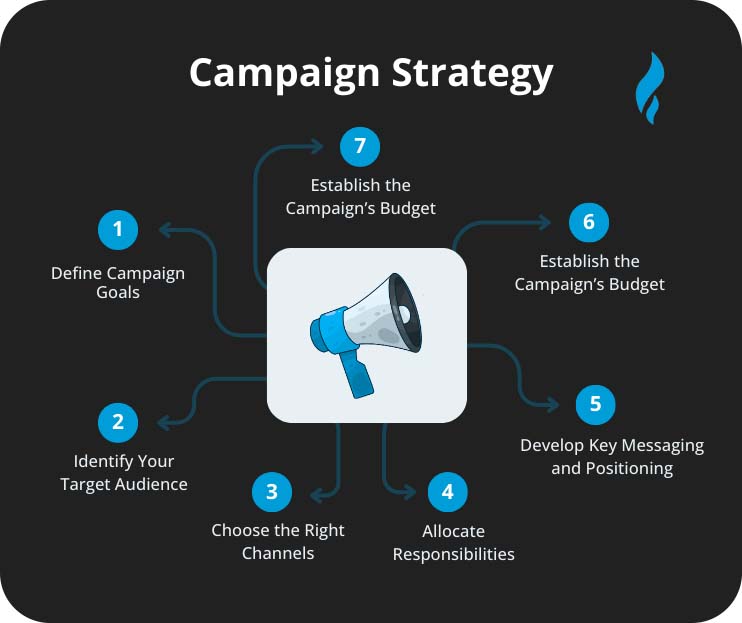
Clear and achievable objectives for your online ad campaigns are important before advertising online. You should identify the primary goal of the campaign. It can be increasing brand awareness or sales.
These campaign objectives should align with your business goals. Some common campaign objectives include:
- Brand awareness: Improve your brand image with marketing strategies.
- Lead generation: Engage potential customers to collect their contact information.
- Sales: Promoting a product or service and prompting the user to make a purchase.
We can help you with SMART (specific, measurable, attainable, relevant, and time-bound) objectives to achieve your marketing objectives.
Define Audience Demographics
Now that your goals are set, it’s time to define your target audience and their demographics. A target audience can help you get the most out of your marketing budget.
Consider these factors to choose your target audience:
| Demographic Features | Examples |
|---|---|
| Age | 18-24, 25-34, 35-44 |
| Gender | Male, Female, Both |
| Location | Local, Regional, National, Global |
| Interests and Preferences | Hobbies, Tastes, Behaviors |
We can help you do market research and gather customer data and insights about your target demographic to guide your ad campaign, select the right keywords, and effectively target potential customers.
How To Create Compelling Ad Content
Designing Creative Text Ads
A combination of phrases and keywords that are relevant to your audience in your text ads can increase engagement and conversions of your text ads.
Here is our secret to creating text ads and promotional messages:
- Understand your audience: Your content should align with your audience. You need to target their interests and solve their pain points with your ad copy.
- Be clear and concise: Short, clear, and to the point ad copy is the best. Use simple language and avoid industry jargon.
- Relevant keywords: A mix of broad, phrase, and exact-match keywords can help you reach the right target audience.
- Include a clear call-to-action (CTA): Guide your users to take the desired action with a compelling and clear CTA.
Using Engaging Visuals and Video
Visual elements are essential to capture the attention of your audience and improve the effectiveness of your ads. The following tips for video ads and visual content will help you stand out:
- Quality matters: Use high-quality images and videos to reflect your brand messaging. We provide clear, sharp, and attractive visuals.
- Incorporate branding elements: Use consistent branding elements across all your ads to increase your brand awareness.
- Tell a story: Your narrative should connect with your audience. Show them how your product or service will solve their problems.
- Opt for mobile-friendly formats: Mobile usage is growing, so your visuals should be mobile-friendly and responsive to engage that audience.
- Test and optimize: Analyze the performance of your content and choose what works best for your audience.
How To Maximize Ad Reach
Use Targeting Options
To make the most out of your online advertising efforts, it is important to use targeting options. Each platform has different audience-targeting options; you should learn them and choose the best ones to target your ads to the right people.
Useful target options include:
- Demographics: Age, gender, education, and income.
- Interests: Hobbies, preferences, and favorite activities of the target audience.
- Geofencing: Local shoppers and high-value leads in specific areas.
- Behavior: Consider past purchase behavior, online activity, and browsing patterns to make your ads more relevant.
These targeting options can help your ads reach the target audience and get better results.
Remarketing Techniques
It is a strategy to maximize your ad reach. This is done by displaying ads to users who have previously engaged with your website or app to increase their chances of conversions. Remarketing methods include:
- Website Visitors: Display ads to website visitors who didn’t take any action.
- Email Subscribers: Email ads to your inactive subscribers.
- App Users: Reaching out to users who downloaded your app but haven’t made a purchase.
Analyzing Performance Metrics
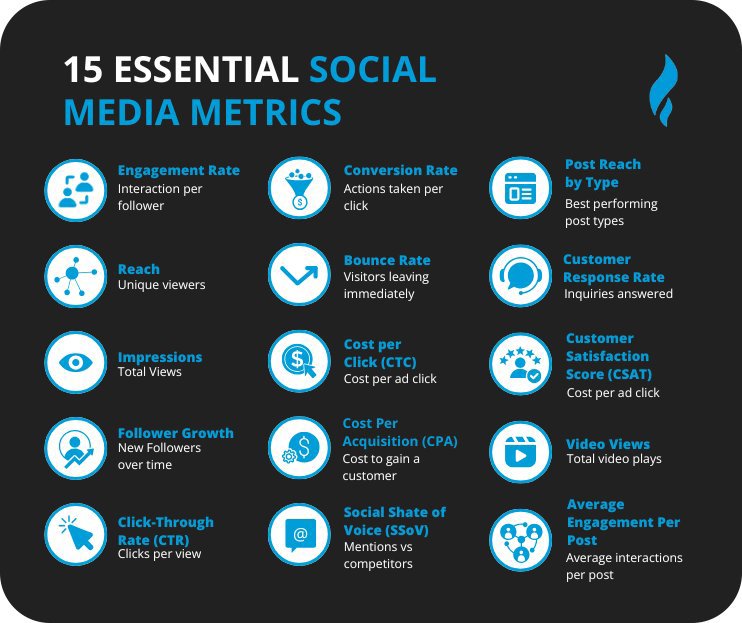
Tracking Conversion Rates
The conversion rate metric helps to analyze the performance of your online advertising. But what is the conversion rate?
It’s the percentage of users who take a desired action, such as making a purchase. Google Analytics can be used to track conversion rate metrics and set goals.
We use this to measure the performance of specific advertising campaigns and identify areas of improvement. Conversion rate metrics to track include:
- Overall Conversion Rate: Number of conversions per number of visitors on your sites.
- Conversion Rate by Channel: Identifies which marketing channels are driving the conversions.
- Conversion Rate by Device: This shows which devices the converted users are using. This will help you understand how users behave on different devices and improve user experience.
Understanding ROI and ROAS
Return on Investment (ROI) and Return on Ad Spend (ROAS) help you understand the effectiveness of your campaigns and identify the ones worth further investment.
- ROI: The percentage of profit gained from an investment over the investment cost.
ROI = (Profit – Investment Cost) / Investment Cost × 100
- ROAS: The revenue generated per dollar spent on advertising.
ROAS = (Revenue generated from ads) / (Ad spend)
ROI determines the overall performance of your online advertising, and ROAS determines if your advertising budget is being spent effectively.
Optimizing for Search Engines
Using SEO Best Practices
SEO (Search engine optimization) improves your website visibility on search engines and helps your content reach potential customers.
Keyword Research
You have to identify the keywords related to your products or services that potential customers will search for. Once you have them make a list of primary and secondary keywords.
Off-Page SEO
Quality backlinks enhance the credibility and authority of your website. You can build backlinks by guest posting, influencer collaborations or hiring an agency. A good backlink profile also improves your search engine rankings.
On-Page SEO
Update the content on your website for the keywords. Add them in title tags, meta descriptions, headings, and URLs. Keep it natural and avoid keyword stuffing.
Technical SEO
Your website should be easy to crawl for search engines. This can be done by fixing any technical issues like slow loading speeds, broken links, and mobile-friendliness.
Content Marketing
Share content (blog posts, videos, infographics) on your website to establish it as a valuable resource in your niche. This will also attract more organic traffic.
Local SEO
It improves your rankings in local search results. You should optimize your Google My Business listing and add location-based keywords in your content for local SEO.
Effective Use of Paid Social Media
Engaging In Popular Networks
Popular social media platforms like Facebook, Instagram, Twitter, and LinkedIn can help you get the most out of a paid social media campaign. You can use different ad formats and benefit from their diverse user bases.
We use this strategy to get the best results:
- Targeted Audience: You reach relevant users and get more sales and conversions.
- Multiple ad formats: Test different ad types (images, videos, and carousel ads) and use the one that resonates with your audience.
- Optimize your campaigns: You should track ad performance and make adjustments to improve your ROI.
Using Influencer Marketing
Influencers can increase your brand reach and credibility among a highly engaged audience. You can incorporate influencer marketing into your strategy using these steps.
- Identify the right influencers: Influencers with an engaged follower base relevant to your product/service are the best.
- Consider micro-influencers: They are cost-effective and get better results with fewer followers but higher engagement rates.
- Creative Independence: You should avoid being overly promotional and allow the influencer to create authentic content that will resonate with their audience.
- Measure and analyze campaign performance: Track how well your influencers are working and adjust your strategy for better results.
Adapting To Mobile And Emerging Trends
Focusing On Mobile-First Design
You need to adjust your online advertising strategy for the growing number of mobile users. 99% of social media users are on mobile devices, so a mobile-first design strategy will be key for reaching your audience.
Here are a few online marketing tips to create effective mobile-first digital advertising campaigns:
- Make sure your ads look great on all kinds of screen sizes using responsive design.
- Keep the ad copy short and concise, using eye-catching visuals to convey your message.
- Consider the unique features of mobile devices, such as touch screens and location data, when designing ad interactions.
Exploring New Platforms And Technologies
Mobile-first design is just the first step; you need to use new platforms to stay competitive. Some of the new emerging platforms include podcast advertising and TikTok.
Podcast Advertising
The popularity of podcasts is rising, and they provide the opportunity to reach a highly engaged audience. To make the most of podcast advertising, you should:
- Relevant podcasts in your niche to make sure your ads reach an audience interested in your products/services.
- You should test different ad formats like sponsored segments, pre-roll, and mid-roll ads.
- Collaborate with the podcast host for authentic endorsements of your brand.
TikTok
The social media platform has 1.58 billion monthly active users and the best part is that they provide different ad formats to reach a target audience effectively.
- Use TikTok ads in multiple formats (In-Feed Ads, Branded Hashtag Challenges, and Branded Effects) to reach users.
- Create a TikTok profile of your brand to build an audience and increase your brand awareness.
- TikTok creators can help you create creative influencer marketing campaigns to engage a highly relevant audience.
By focusing on mobile-first design, podcast advertising, and TikTok, you’ll be better prepared to succeed in the fast-changing world of online advertising.
Online Advertising FAQs
How to do online advertising?
To do online advertising, you need to set a clear goal and choose the platform where your audience is active. Next, create a compelling ad, set your budget, and target the right people. Also, track performance so you can optimize for better results.
What is the 3-3-3 rule in marketing?
The 3-3-3 rule in marketing suggests that you should concentrate on three main messages about your brand or services, target three audience segments, and prioritize three marketing channels where your audience is most active.
How much is a 30 second ad worth?
A 30 second online video ad typically costs between $10 to $50+ per 1,000 views (CPM) or $0.10 to $0.30 per view on platforms like YouTube.
What are five types of online advertising?
Five types of online advertising are:
- Search ads (like Google ads)
- Display ads (banner ads on websites)
- Social media ads (ads on platforms like Facebook and Instagram)
- Video ads (ads on sites like YouTube)
- Email ads (promotions sent through email)
Which is an example of online advertising?
An example of online advertising is a Facebook ad that appears in your news feed promoting a product.
What is the best type of online advertising?
The best type of online advertising depends on your business goals. Pay-per-click (PPC) advertising is the most effective for capturing high-intent buyers. For brand awareness and engagement, social media advertising delivers strong results at a lower cost per impression. B2B companies typically see the best returns from LinkedIn advertising.
Where is the best place to advertise online?
The best online advertising platform is where your target audience spends their time. Google Ads reaches users actively searching for products or services. Facebook and Instagram are ideal for visual products and broad audience targeting. TikTok works well for reaching younger demographics, while LinkedIn is the top platform for B2B internet advertising. Use Google Analytics to identify where your audience comes from, then invest in those channels first.
How does online advertising work?
Online advertising works by placing promotional content on your website, search engines, and apps. You set a budget and targeting criteria (demographics, interests, keywords). When a user matching your criteria visits a page or searches a term, the ad platform runs an instant auction to determine which ad to show. You pay per click (CPC) or per thousand impressions (CPM) for these ads.
How successful is online advertising?
Digital advertising is highly successful when executed well. Your business can earn an average of $2 for every $1 spent on PPC ads, and video ads can increase conversion rates by up to 86%.
How much does internet advertising cost?
Internet advertising costs $1.63 per click on Google Ads on average. Social media ads range from $0.10 to $1.00+ per click, and display ads cost $0.01 to $0.70 per click. Most small businesses spend $500 to $2,500 per month on online ads.
What are the most effective internet advertising strategies in 2026?
The most effective internet advertising strategies in 2026 combine paid search, social media ads, and remarketing. You can start with Google Ads to capture high-intent traffic, and use Facebook and Instagram ads to build awareness and retarget website visitors.
Other Online Advertising Resources
- The Best Digital Advertising Platforms 2026
- 6 Reasons Why Your Small Business is Still Small
- Effective Internet Marketing Strategies
- 12 Ways to Effectively Promote Products Online And Make Sales
- 12 Free Advertising Ideas For Small Businesses That Actually Work
- Sell It! How to Promote a Product Using Digital Marketing Methods
- FAQ: What Is Social Advertising & How Does It Impact My Sales?
- 18 Helpful Strategies To Increase Sales Online For Any Business
- 10 Best Places to Advertise Your Business Online
- 6 Steps To Market Any Business: The Best Guide To Beat Your Competitors

