



You need a strong marketing strategy to stand out in online. Not sure how to do that? The 3 3 3 rule in marketing is a framework that can help. It can be used to grab the attention of your target audience, build trust, and drive business growth.
What Is The 3 3 3 Rule In Marketing?
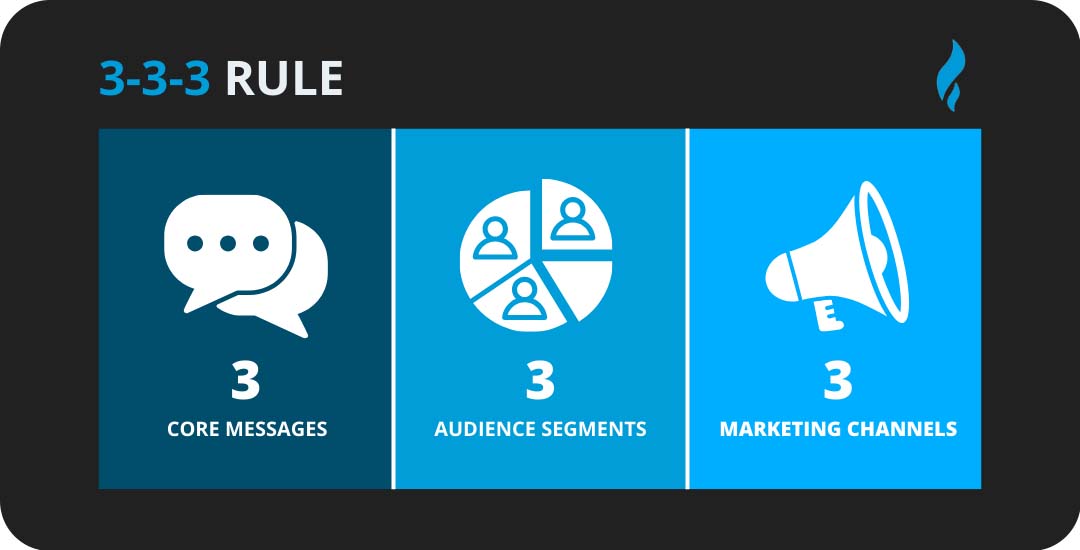
The 3 3 3 rule in marketing suggests that you should concentrate on three main messages about your brand or services, target three audience segments, and prioritize three marketing channels where your audience is most active.
The 3 Pillars Of The 3-3-3 Rule Of Marketing
1. Three Content Types to Engage Your Audience
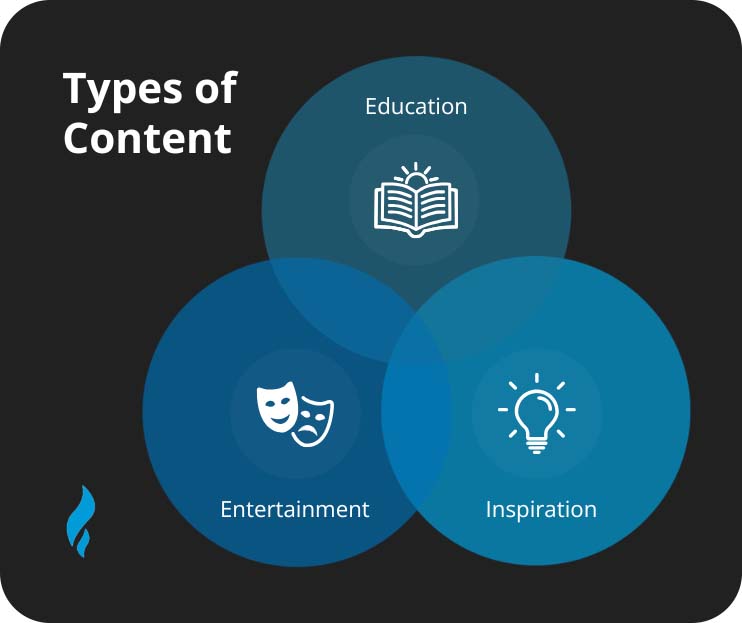
You need different content types to trigger emotions and keep your audience engaged across multiple social media platforms. The 3 3 3 rule of marketing focuses on three types of content:
Educational Content
Share useful information about your industry, services, or products. You can use this content to build trust and establish your brand as a thought leader. For example, you can use blog posts, video tutorials, or webinars to address the pain points and queries of your audience.
Inspirational Content
Connect emotionally with your audience to strengthen your relationship. Share client endorsements or inspirational messages that resonate with their values. For example, case studies can motivate consumers and highlight your brand value.
Entertaining Content
You can use humor and creativity to catch attention and make your content shareable. This will increase your organic reach. Memes and interactive social media posts are some examples of entertaining content.
2. Three Key Distribution Channels
The 3-3-3 rule of marketing focuses on three main channels to share your content effectively:
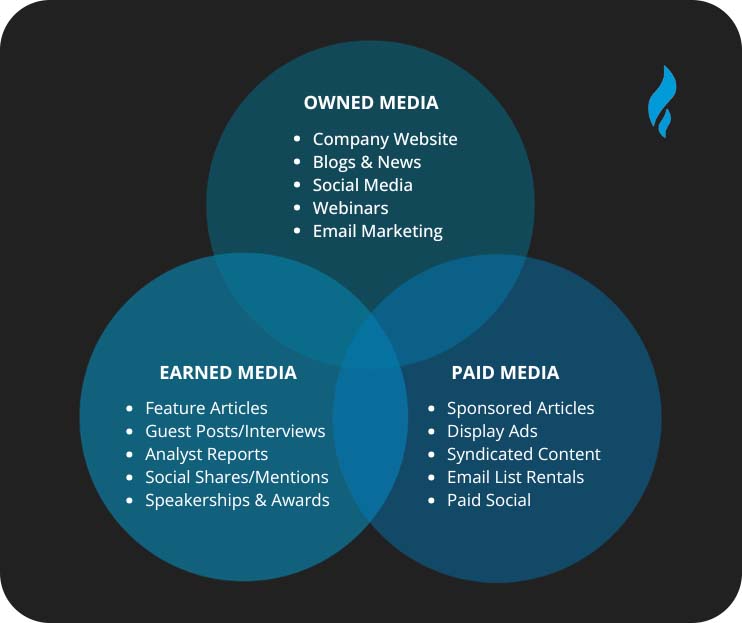
- Owned Media: Use of platforms under your control, such as your blog, email, social media accounts, and website. They offer you complete control over your messaging and are budget-friendly. This can help you establish lasting relationships with your audience.
- Earned Media: Publicity you get from brand mentions, word-of-mouth, reviews, and press coverage without paying for it. This feels more trustworthy because it’s coming from third parties.
- Paid Media: Use paid advertisements, like display and PPC ads, to expand your audience and drive traffic. Target specific keywords or audience segments to improve your visibility.
Our small business marketing agency suggests using a mix of these channels to increase your visibility and reach a wider audience.
3. Three Stages Of Buyer Journey
You have to align your content to the stage of the audience in the buying journey. You should consider these stages:
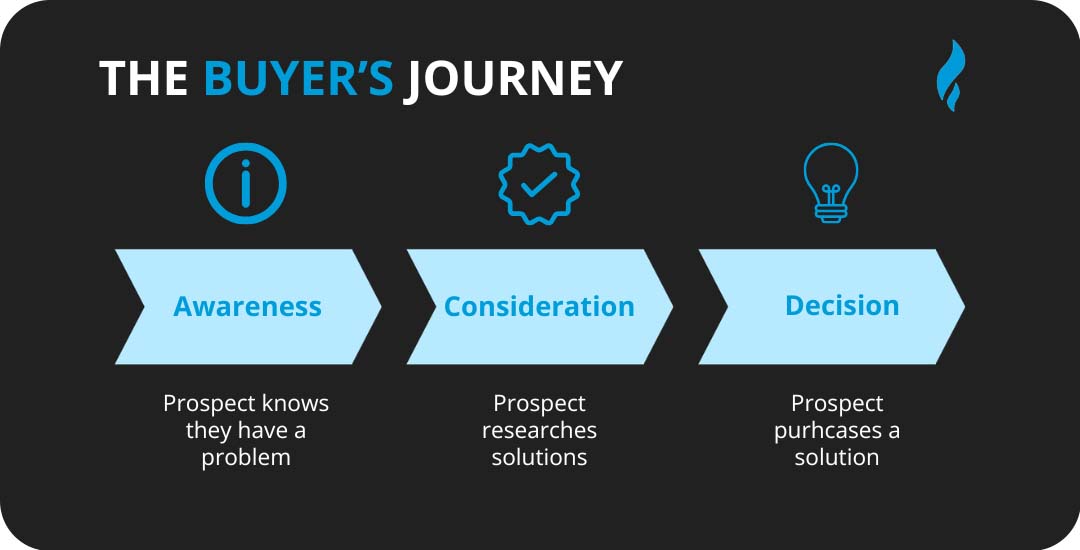
- Awareness: Market your brand to people who aren’t yet aware of their need. Highlight their problems and show how you can help them. We suggest using educational content at this stage.
- Consideration: At this stage, prospects compare solutions and review their options. Offer in-depth content that helps them evaluate the benefits and drawbacks, such as expert insights, case studies, and product demos.
- Acquisition: When prospects are ready to decide, provide incentives like free trials or discounts to prompt action. You can use engaging content at this stage to make your audience feel confident about your brand.
Digital marketing experts at LYFE Marketing target these three stages effectively to create a sales funnel that drives leads and sales.
How To Use the 3-3-3 Rule Of Marketing For Brand Growth
Now that you understand the 3-3-3 rule of marketing, here’s how you can put it into action to grow your brand:
Balance Your Content Mix
A mix of inspirational, educational, and entertaining content should be part of your marketing strategy. This guarantees that your content engages your audience at multiple touchpoints.
Diversify Your Marketing Channels
You don’t want to depend on a single platform for your digital marketing. Use a mix of paid, earned, and owned media to expand your reach and increase visibility across multiple channels.
Match Content To The Buyer Journey
Optimize your content to appeal to your audience at every point of their buying journey. Offer consideration content to people weighing their options and awareness content to new prospects. And use acquisition content for those ready to make a decision.
Track And Optimize
You have to monitor performance across all three areas of the 3 3 3 rule. Determine which content types, distribution channels, and engagement tactics deliver the best results, and adjust your strategy to double down on what’s working.
Take Your Next Step
Now that you have a thorough understanding of the 3 3 3 rule for marketing, you can incorporate it into your plan to drive brand growth. But if you still need assistance, try out the digital marketing services of LYFE Marketing. Contact Us Today for a FREE personalized proposal.
The 3 3 3 Rule In Marketing FAQs
What is the 3-3-3 rule for marketing?
The 3-3-3 rule in marketing means focusing on 3 key messages, targeting 3 audience segments, and using 3 primary marketing channels to share your content.
What is the 50/30/20 rule in marketing?
The 50/30/20 rule in marketing suggests 50% of your posts should be engaging, 30% informative, and 20% promotional. You can use it to balance your content strategy.
What is the 7 times 7 rule in marketing?
The 7 times 7 rule in marketing suggests that a prospect needs to see or hear your message at least seven times before they are likely to take action or remember it.
What is the 5 1 5 rule in marketing?
The 5 1 5 rule in marketing is: send 5 pieces of content, share 1 core message, across 5 different channels to reach your audience effectively.
What Is The 70 20 10 Rule Of Marketing?
The 70 20 10 rule of marketing is a content and budget allocation strategy that suggests 70% of your content should be value-driven, 20% should focus on emerging trends, and 10% should be experimental or disruptive initiatives.
Other Small Business Digital Marketing Resources
- What Is The Meaning Of Marketing Services?
- What Is The Average Marketing Cost For A Small Business?
- Why Digital Marketing is the Key to Success for Your Business
- Why the Role of Digital Marketing is Vital to Your Business Growth
- Digital Marketing Best Practices That Lead to Small Business Success
- The Importance of Digital Marketing: Top 10 Reasons You Need It
- What Are The 7 Types Of Digital Marketing Services?
- Top 10 Benefits of Digital Marketing & Why Digital Marketing is a Must for Every Small Business
- 7 Ways of Digital Marketing Best for Driving More Sales
- What is Digital Marketing? Here’s Everything You Need to Know
Other Small Business Marketing Resources
- What Is The Average Marketing Cost For A Small Business?
- What Is The 1% Rule In Marketing?
- 25 Tips for Small Business Marketing On Facebook
- 30 Small Business Marketing Tools
- Top 20 Small Business Marketing Strategies to Drive More Traffic & Customers
- 25 Small Business Marketing Ideas to Help Grow Your Business
- How Marketers are Succeeding at Using Instagram for Small Businesses
- 10 Proven SMB Marketing Strategies That Will Work For You
- Small Business Website Design: A Guide on How to Get Started
- Marketing 101: The Basics of Marketing for Small Businesses

