THE 2025 GUIDE TO INSTAGRAM ADS COST
How Much Do Instagram Ads Cost?

On average, how much do Instagram ads cost?
The average cost-per-click (CPC) for Instagram ads is $0.13, the average cost per thousand views (CPM) is $2.00 and the average cost per engagement is $0.06.
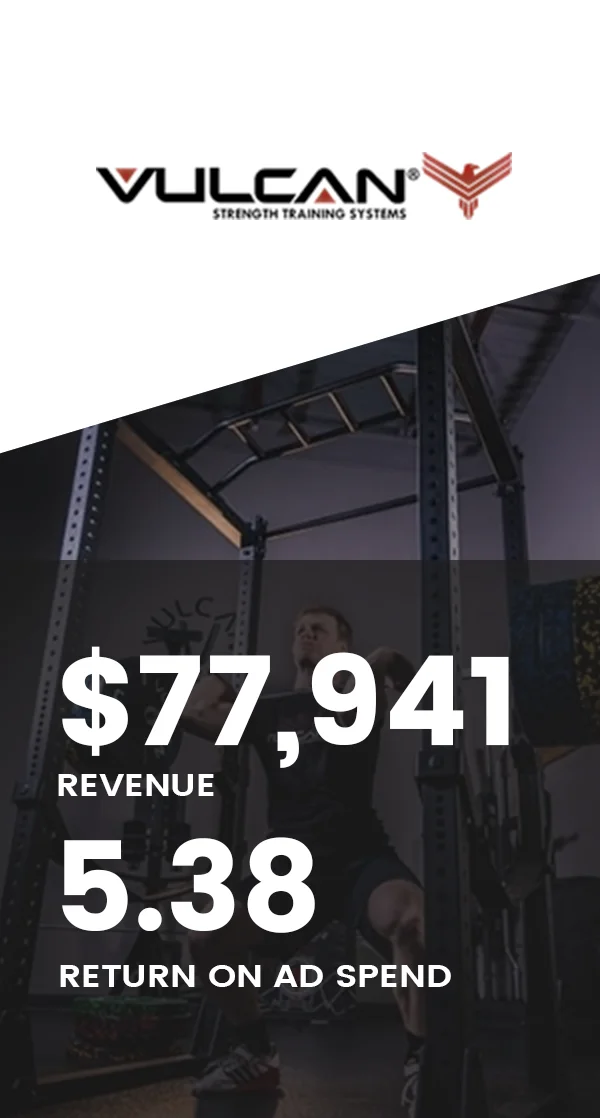
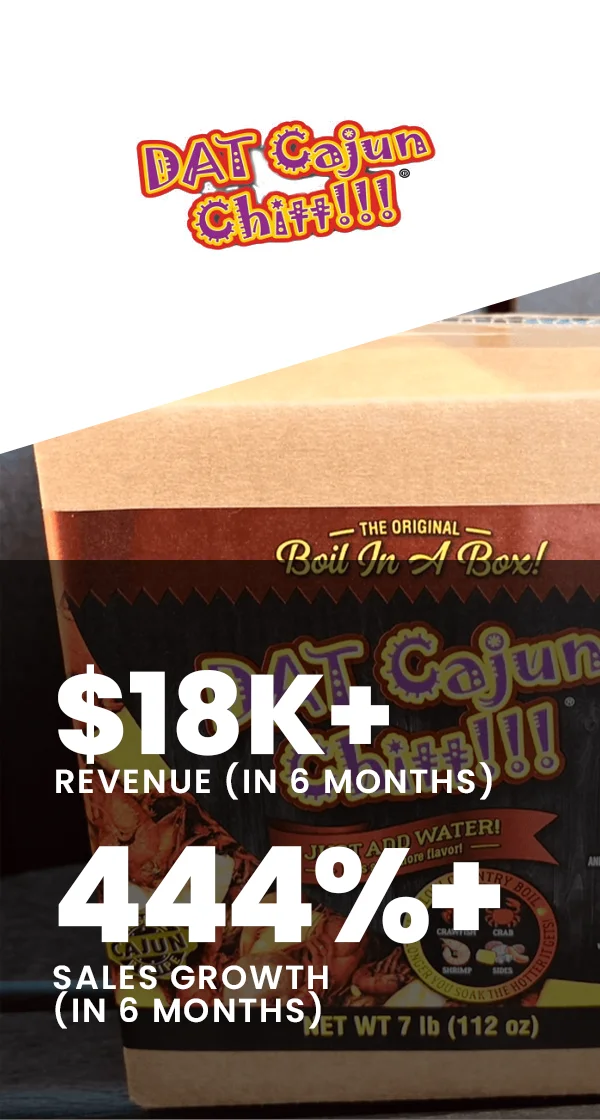
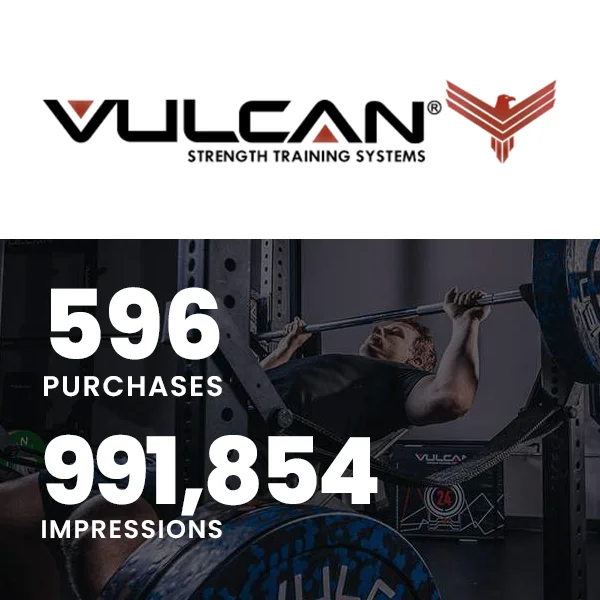
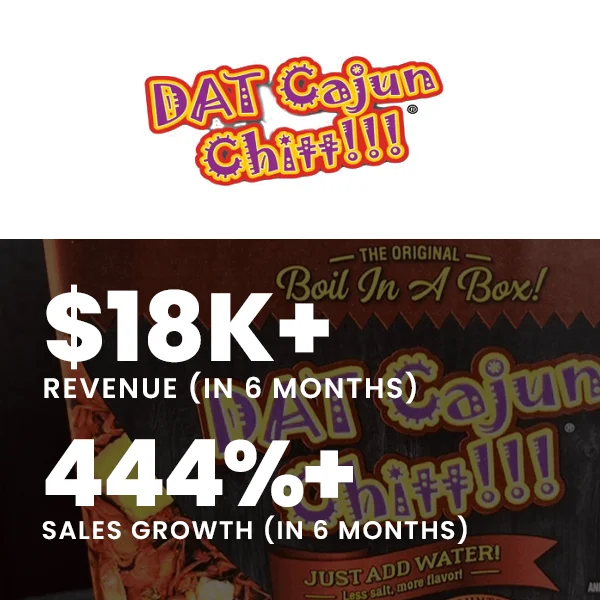
LYFE Marketing is an Instagram ads agency that has over a decade of experience running profitable Instagram ads for small businesses. We’ve driven more than $272 million in revenue for our clients via our social media advertising services, so contact us today to see how we can do the same for you.
How Do Instagram Ads Work?
Instagram and Facebook are owned by the same parent company, Meta, so you run Instagram ads through Facebook ads manager, and they operate on a cost per click or cost per impression basis.
These are the six campaigns you can choose from when you go to run Instagram ads through Facebook Ads Manager: Awareness, Traffic, Engagement, Leads, App promotions and Sales.
Each campaign will dictate how you pay for the Instagram ad, whether it’s per click or per impression.
When you’re setting up your ad in Facebook Ads Manager, you’ll select the Instagram placements you want in the ad set level to ensure that your ad appears in the right places on Instagram.
Once you submit the ad, it goes into an ad auction where Facebook has to make a decision on which ad to show to your audience: yours or your competitors’. How do you win the ad auction? By having the best combination of a bid, ad quality, and estimated action rate. We’ll talk about that more below!
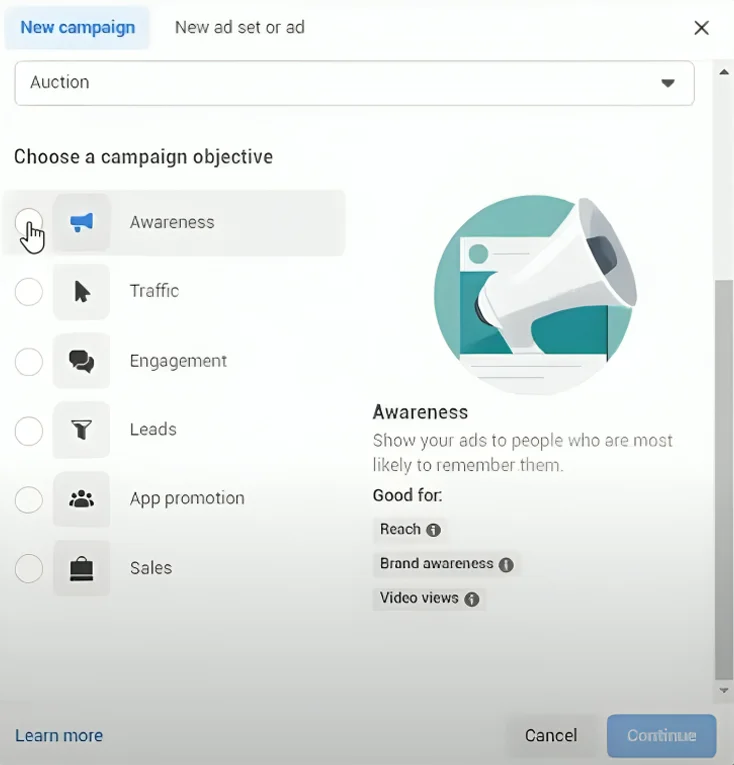
Awareness
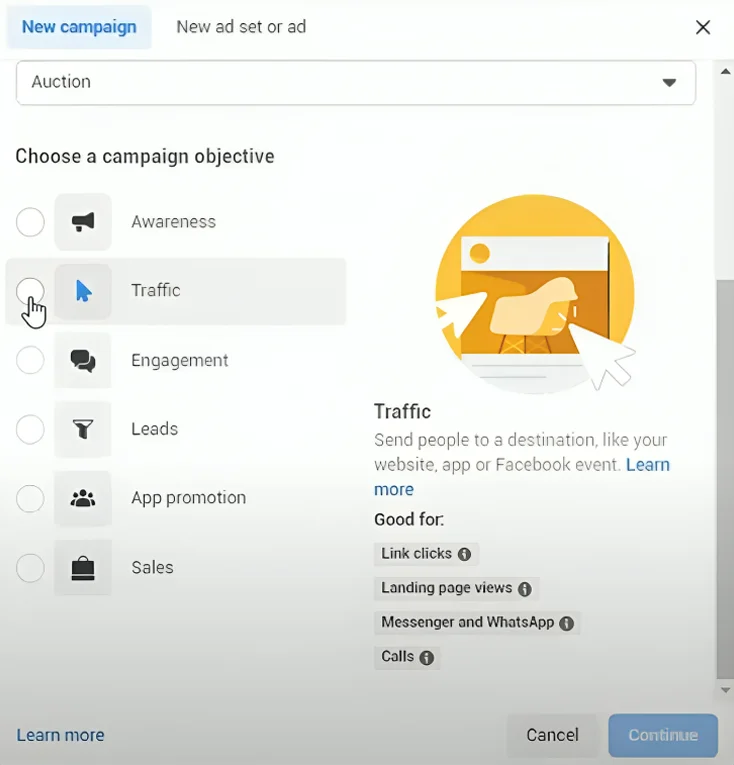
Traffic
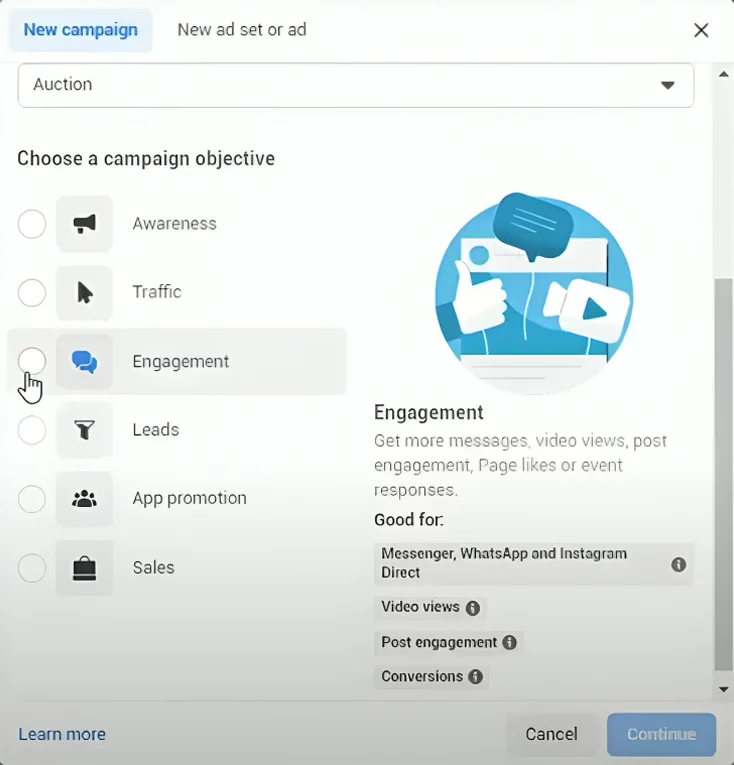
Engagement
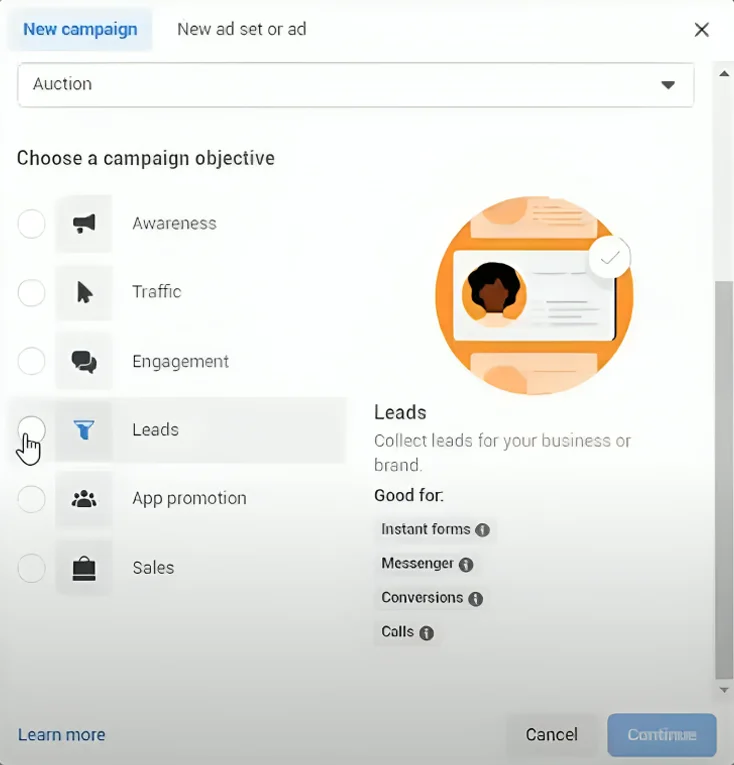
Leads
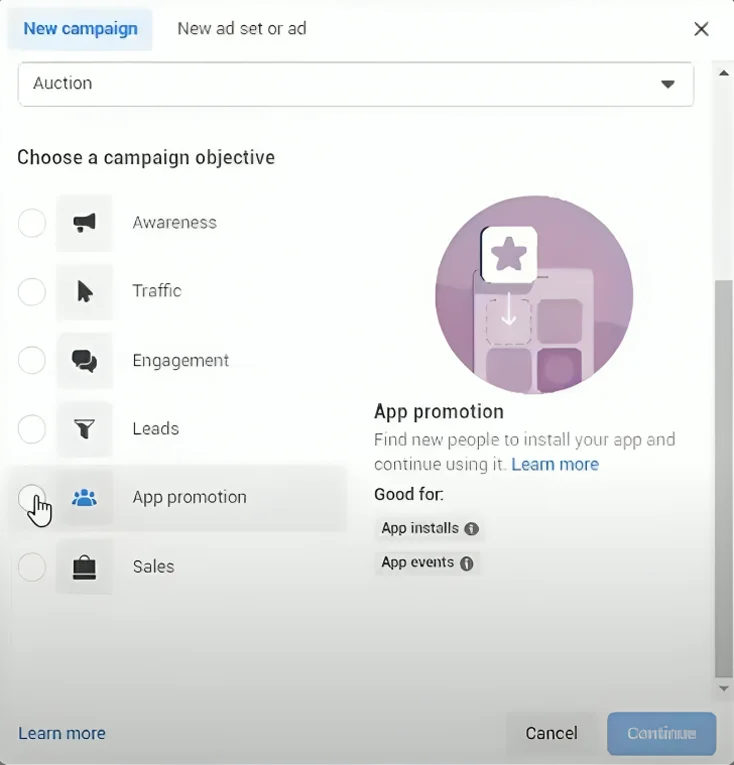
App Promotion
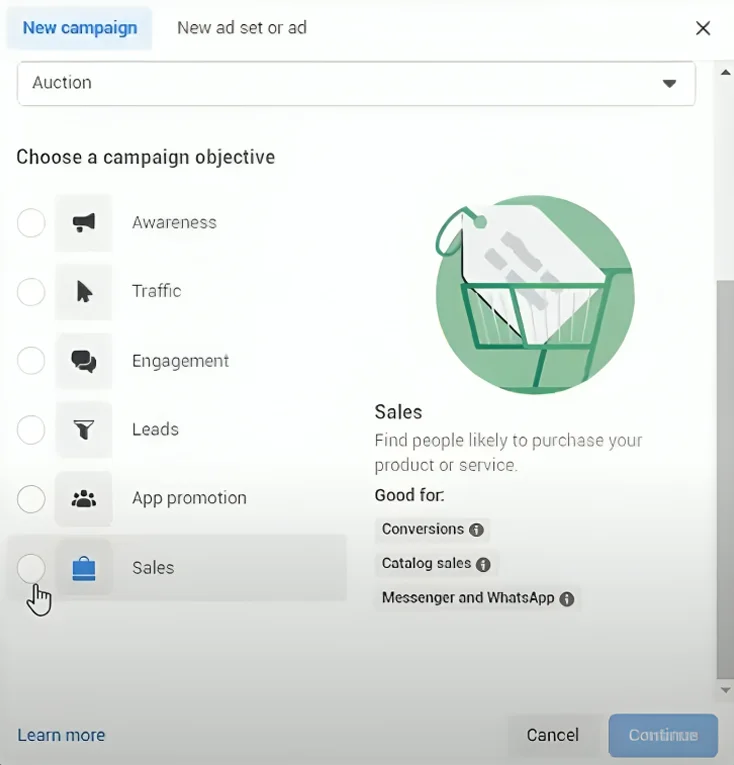
Sales
How Much Does It Cost To Advertise On Instagram?
On average, we see that businesses spend between $1.00 and $1,000.00 per month on Instagram ads. Here’s a breakdown of how much advertising on Instagram costs:
How much do Instagram ads cost per click?
- Instagram Cost per click (CPC): $0.13 per click on your ad
How much do Instagram ads cost per 1,000 impressions?
- Instagram Cost per thousand impressions (CPM): $2.00 per 1,000 ad impressions.
How much do Instagram ads cost per lead?
- Instagram Cost per lead (CPL): $5.83 for each lead
How much do Instagram ads cost per download?
- Instagram Cost per download (CPD): $0.54 per download
How much do Instagram ads cost per engagement?
- Instagram Cost per engagement (CPE): $0.06 for each like, comment, or share your ad receives
How much do Instagram ads cost per month?
- Average Instagram Monthly Cost: $1.00 to $1,000.00 monthly, ranging due to various factors.
How much do Instagram ads cost per week?
- Average Instagram Weekly Cost: Minimum of $7 to $250 a week on average
These averages of Instagram ads costs will vary due to a number of factors, and we’ll cover what those factors are below!
What Factors Influence Instagram Ads Costs?
There are several different factors that can influence your instagram ads cost. Let’s take a look at what those factors are:
1
Bid & Budget
Your bid and budget are not the same thing. Your budget is how much money you are allocating to fuel your Instagram ads. Your bid is how much of that budget you are willing to pay for a certain action. For example, if your budget is $300 and you want to pay a max amount of $3 per click, that means your bid is $3. In that scenario, you can get up to 100 clicks on your ad. You can lower your bid and say you only want to pay $1 per click, in which case you can get up to 300 clicks on your ad. So, how much should your bid be for Instagram ads? That depends on what your competitors are bidding, which brings us to the next factor.
2
Competition
Your competition directly affects Instagram ad costs because if they are paying more to reach the same audience you are trying to target, you will have to pay more in order to beat them. When you submit an Instagram ad to Facebook ads manager, it goes into an ad auction where Facebook calculates a score for your ad based on the advertiser bid, the estimated action rate and the ad quality score. The ad with the highest score wins.
3
Ad Quality Score
Ad quality score is one of the three things Facebook looks at when determining which ad to show to your audience: yours or your competitors’. If you have a great ad quality score, it can help you win the ad auction and target your audience for a lower cost. The ad quality score is determined by machine learning, the feedback of people positively viewing or negatively hiding the ad, as well as Facebook’s judgment of low-quality attributes, such as too much text on the ad image, sensationalized language or engagement bait.
4
Estimated Action Rates
Estimated action rates are the final thing Facebook looks at in the Instagram ad auction. This rate is Facebook’s estimate of how likely it is that the viewer will make your desired action, like clicking to your website or filling out a lead form etc. Facebook looks at your estimated action rate and ad quality score so that the advertiser with the highest bid doesn’t win outright every time.
5
Ad Relevance Score
Similar to your ad quality score, your ad relevance score looks at quality ranking, engagement rate ranking and conversion rate ranking to determine how relevant it is to your target audience. The more relevant your ad is to your audience, the less it will cost for you to target them.
6
Audience Size
The bigger your audience, the less it typically costs to target them, whereas your costs can rise when you’re targeting a smaller audience.
7
CTR
Let’s say you spend $10 on an ad that has a 2% CTR. Then, you better that ad and it has a 5% CTR. You’re not spending anymore money, but you’re getting more clicks for the same $10 because your CTR is higher. The more clicks you get, or the higher your CTR, the lower your cost per click.
8
Holidays And Events
Holidays, birthdays and events can all cost more to target because there’s usually more competition for them. For instance, lots of businesses target people by birth month to send them a “birthday gift” as a lead magnet, and because lots of businesses do that, it costs more to target by birth month.
9
Gender
Historically, it costs more to target females than males on the app because females are more likely to engage. This may not be a hard and fast rule for every industry, but it generally is the case.
10
Day Of The Week
Some days of the week are more expensive to run ads on than others because users typically engage more on weekdays than on weekends, making weekdays the costlier (but also usually the more profitable) option.
11
Ad Placement
Where you run your ads on Instagram can influence your Instagram ads cost because some are more popular (and therefore expensive) than others. These are the available Instagram ad placements:
- Feed
- Profile Feed
- Explore
- Explore Home
- Stories
- Reels
- In-Stream Ads on Reels
12
Ad Objective
As you saw above, there are 6 different ad objectives you can choose from when setting up your Instagram ad campaign. Some campaigns optimize for results that are more sought after by advertisers than others. What do you really want more: a post like or a sale? Exactly, the sale. Therefore, the sales campaign objective is usually a little more expensive than the engagement campaign. These are the 6 campaign objectives:
- Sales: Target potential customers for conversions, catalog sales, and messages.
- Leads: Collect leads through instant forms, messages, calls, and signups.
- Engagement: Increase video views, page likes, or event responses with messages, video views, and post engagement.
- App Promotion: Reach new users for app installs and app events.
- Traffic: Drive people to your website, app, or Facebook event for link clicks and landing page views.
- Awareness: Display ads to enhance brand awareness and video views for better recall.
How Much Of Your Overall Advertising Budget Should You Allocate To Instagram Advertising?
Businesses on average tend to dedicate around 20% of their advertising budget to Instagram ads. This will vary depending on your specific niche, budget, goals and industry.
What Makes Instagram Advertising Costs Worth The Price?
There are 7 things that make Instagram advertising worth the price:

Advanced Targeting
Because you’re using Facebook’s targeting options, you can pinpoint your exact audience via interests, behaviors or demographics. This means you’re not wasting money targeting people who aren’t likely to convert. You’re paying to target the right audience for your business.

Higher Engagement Rates
Instagram has one of the highest brand-consumer engagement rates. People are more likely to engage with brands on Instagram and that engagement can be retargeted and converted into customers.

Increased Website Traffic
Instagram organic posts do not allow for clickable, external links, but Instagram ads let you send traffic directly to your website with one click.

Higher Conversion Rates
Because you’re targeting your exact demographic with ads that typically increase website traffic and get higher engagement, you see higher conversion rates as a result. Conversions in this case can either be sales or leads.

Longer Videos
Instagram Reels can be up to 90 seconds long, but if you’re running multiple Reels ads, you can double or triple the amount of video content your audience is seeing on the app.

Higher Click-through Rates (CTRs)
Because Instagram sees higher engagement rates, you can definitely expect some of that to be reflected in higher CTRs to your website. The higher CTR you have, the more website traffic you get for less.

Higher Order Values
Because Instagram is such a visual platform, ecommerce store owners typically see higher order values from running Instagram ads, making the cost worth it!
Facebook vs Instagram Advertising Costs
Facebook ads costs are very similar to Instagram ads costs because they are owned by the same parent company, operate off of the same CPC and CPM structures, offer the same targeting options and access the same audience and users.
How To Keep A Lower Instagram Ads Cost
The lower you can keep your Instagram ad costs, the more profitable your Instagram ads will be! A lot of the things we saw impact Instagram ad costs are the very things that can be leveraged to keep costs down. Check out the different ways to keep your Instagram ads costs down:
When you’re setting up your ad in Facebook ads manager, you have the choice to implement manual bidding or automatic bidding. If you’re new to setting up Instagram ads and/or don’t have any previous data to know what you should pay per click or per impression, you’ll want to use automatic bidding and let Facebook determine that for you. It will help you pay the lowest cost per click possible.
With Instagram ads, you have the power to identify and target your exact demographic. When you put the right message in front of the right people, that is how you lower your Instagram ads cost. Let’s take a look at a few different ways you can find your target market:
- Location: Target people based on where they live or where they visit. You can target a geographical area such as a city, or a postal code and an up to 50 mile radius around it.
- Demographics: Target people based on the basic demographic information you know like gender, age, job titles and more.
- Interests: Facebook (and therefore Instagram) has tons of interests you can choose from and target. Choose interests that your target audience has that relates to your offerings, whether it’s camping or fashion.
- Behaviors: Target people based on the actions they take in many different categories, such as their shopping behavior, device usage, traveling patterns and more.
- Custom audiences: Custom audiences are audiences that are specific to your business. You can upload custom audiences such as your customer list or email subscribers, or you can select custom audiences from your Facebook data such as your Instagram engagement or video viewers. Then you can tell Facebook to target or specifically exclude these people depending on the nature of your ad.
- Lookalike audiences: Lookalike audiences are when you tell Facebook, “Hey, I want to find new people who look like this existing audience I uploaded.” Usually, the existing audience is your customer list, so that you then have a brand new audience of people who have similar interests and attributes to your customer list that you can target.
You shouldn’t run ads for the sake of running ads. Each ad you run should be done so with a clear goal in mind, whether it’s to get video views and brand awareness or website traffic and sales etc. Clarify your goals from the start to save on Instagram ads cost.
Once you’ve clarified your goals, you want to pick the campaign objective that best achieves those goals. One of the fastest ways to waste money is to spend it on an ad campaign that’s not really meant for the goal you have. If you want sales, don’t run an engagement campaign; run a sales campaign.
When people click on your ad and are taken to your website or a landing page, make sure it’s congruent with the ad they just came from both in branding and in messaging. People should feel like they’re in the right place and be able to easily find what they’re looking for. This will help prevent people from bouncing or exiting too quickly because if they leave before they convert, that means you’re paying for a click that didn’t convert, and we don’t want that.
In addition to optimizing your landing page with congruent messaging and call to actions, you want to make sure everything they receive after that contributes to a seamless user experience. If they were promised a discount or a lead magnet in the ad, make sure they get it right away, and make sure the content they receive after that is equally congruent in branding and relevance.
A/B testing ads in this context means that you’re running multiple different ads to the same audience to see which ad is going to convert them best at the lowest cost per conversion. Each ad should focus on a different pain point or goal your audience has so that you can determine which resonates best with your audience.
Retargeting means putting your ad in front of an audience that’s already familiar with your brand in some way, such as your website visitors, your add to carts, your Instagram video views etc. People need to see your brand multiple times before they convert into customers, so in order to capitalize on all that you’ve invested into Instagram ads so far, you need to retarget them to bring it home and convert them into a sale.
In order to drive results at the lowest cost, the bottom line is you need to convert the audience you’re spending money to target. Your best chance of doing that is to ensure the messaging is relevant to them. Make sure all of your ad elements, including the creatives, the caption text, the headlines etc. speak to your audience’s pain points or goals. Your ads should clearly share messaging that resonates with your audience’s interests and needs. This will ultimately reduce your Instagram ads cost.
Ad frequency is how many times a viewer has seen your ad on average. On one hand, if a user sees it too many times, they may stop responding to it and start ignoring it. On the other hand, if a user sees your ad enough times, it could cause them to convert. So, you want to monitor your ad frequency in Facebook ads manager to determine if it’s currently helping or hurting your campaign. If you think it’s hurting, then you need to create fresh, new ads for your audience.
How Much Does It Cost to Pay Someone to Manage Instagram Ads?
1
Freelancer Instagram Advertising Pricing
Instagram Ads freelancers usually charge hourly or a monthly retainer. Instagram freelancer ad pricing is lower than that of digital marketing agencies.
| Average Cost | Pros | Cons |
|---|---|---|
| The average rate ranges from $25 to $50 an hour, while more experienced freelancers can sometimes charge more than $100. | You get flexibility in contract length and can potentially find a super experienced person for a good rate. | The quality of work can vary, and you may need to invest more time in managing and communicating with the freelancer than you would an agency that comes with a whole team to execute your ad campaign. |
2
Agency Instagram Advertising Pricing
Instagram Ads agencies usually enter into a monthly or annual contract with you based on the agreed scope of work and your ad budget size.
| Average Cost | Pros | Cons |
|---|---|---|
| Instagram Ads agencies charge between $500 and $5,000 per month on average. Experienced agencies can charge over $10,000. This does not typically include your ad budget. | You get a team of experts working for your account for cheaper than it would be to individually hire the same team in-house, you save time and you often save on Instagram ad costs because experts are the helm of your campaign. | Costs may exceed hiring a freelancer. You might have less control over day-to-day ad management (though some view this as a perk!) |
3
In-House Instagram Advertising Pricing
An in-house Instagram Ads Manager manages your company’s internal Instagram advertising campaigns.
| Average Cost | Pros | Cons |
|---|---|---|
| An Instagram Ads Manager's salary can average between $50,000 and $100,000 a year, with experienced Managers earning more than $150,000. | You get full control over your ad campaigns and sometimes better integration with other marketing efforts. | You have to spend a lot of time and resources finding the right employee(s) with experience to manage your campaign and can sometimes be more expensive than hiring an agency where you get more for less. |
4
Instagram Ad Software Pricing
You also have the option to use or try Facebook/Instagram ads software or programs to manage your advertisements.
| Average Cost | Pros | Cons |
|---|---|---|
| Instagram ads software typically ranges from $0 to $500 monthly. | Only pay for desired results like clicks and impressions. You'll also get detailed targeting and analytics. | It takes time and know-how to learn how to use the platform effectively, and you have to constantly monitor and make adjustments as needed to see the results you want. |
Instagram Ads Cost FAQs
How much does it cost to put an ad on Instagram?
The minimum budget to run an ad on Instagram is $1-$5 a day depending on the campaign you’re running, but if you want to see results, we’d recommend an ad spend of no less than $300 a month.
Is $5 enough for Instagram ads?
Yes, $5 can be enough for Instagram ads, but it will provide limited reach. It’s suitable for testing small audiences or running basic campaigns with minimal results.
Is paying for Instagram ads worth it?
Paying for Instagram ads is worth it if your audience is active on the social media platform. It helps increase visibility, reach a target audience, and drive engagement or sales effectively.
How much do Instagram ads cost per 1,000?
Instagram ads cost $2.00 per 1,000 impressions on average.
What factors affect the cost of social media advertising?
The cost of social media advertising depends on factors like platform, audience targeting, ad format, competition, and campaign goals. Higher competition and specific target audiences increase social media ads cost.
How do I set a budget for social media advertising?
Set a social media advertising budget by defining your campaign goals. You should estimate customer acquisition costs, and analyze your target audience size. Start small, test performance, and scale your social media ads based on results.
Are there any hidden costs associated with social media advertising?
Yes, hidden costs in social media advertising can include agency fees, analytics tools, and additional ad optimization charges.
Is it worth it to pay for Instagram ads?
Yes, it is worth it to pay for Instagram ads because you can put targeted ads in front of your exact demographic for a low cost to drive conversions and a high ROI.
Are Instagram ads worth it in 2024?
Yes, Instagram ads are worth it in 2024 because they can drive mass brand awareness, traffic and sales for your business at a profitable cost.
How do I launch Instagram ads?
To launch instagram ads, you can either do it within the Instagram app, or within Facebook Ads Manager, which is the recommended method.
What kinds of ads can I use on Instagram?
You can run 5 different kinds of ads on Instagram: photo ads, story ads, video ads (or Reels ads), and carousel ads.