



Social media can help you connect with your audience, build a brand, and grow your business online. But there are so many platforms, and choosing the right one can be challenging.
You can find a lot of content on the best time to post on social media and the top social media advertising platforms, but there is no or less guidance on where to post.
If you’re using social media for marketing, real success doesn’t mean that you have to be active on all platforms; you have to choose the right platforms for your business and target audience.
Here are 5 tips from social media experts to choose the right social media platforms for your business:
- Focus on Platforms With Strong Engagement
- Identify The Platforms Your Audience Uses Most
- Analyze Your Competitors
- Align Platforms With Your Social Media Goals
- Test, Track, And Optimize
If you’re using social media for marketing, it’s important to clear up the common misconception that you have to be active on every social media platform. You don’t need a social media presence on every platform.
Being active on every platform can backfire because your business can’t manage them all. Even if you do, it will be difficult to keep up with social media best practices. You will have weaker brand messaging as a result.
The trust is that being on every platform without a clear strategy means wasting your time, social media budget, and effort. You have to focus on quality, not quantity.
Don’t spread your business thin across multiple platforms; select platforms your audience uses the most and that deliver the best results for your business.
You can use these 5 tips to identify the right social media platforms for your business:
1. Focus on Platforms With Strong Engagement
It’s usually easier to get noticed in a smaller space than in a crowded, competitive one. But only a few people will see your brand on these platforms.
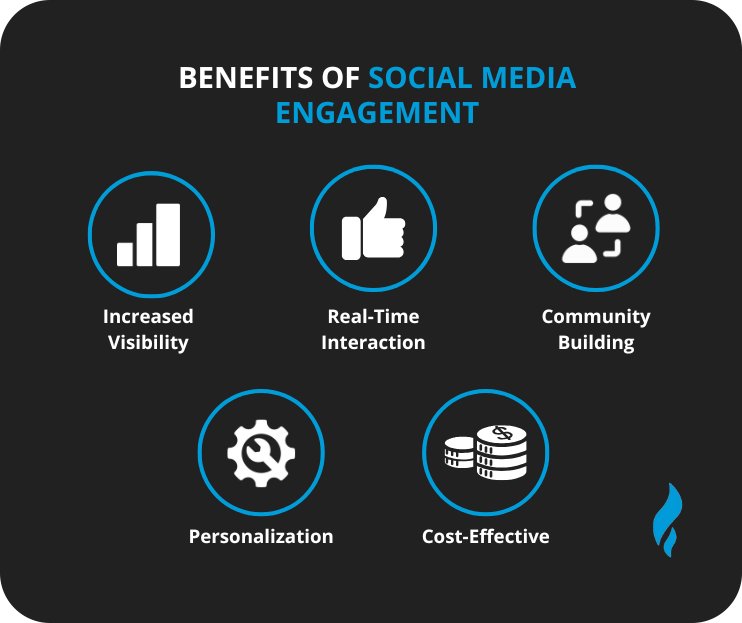
Your business can generate better results if you’re using a platform with a bigger audience and more competition, but having a better engagement rate. You can increase social media engagement on platforms where a large audience is paying attention.
Choosing platforms with a bigger audience is the best choice because you will have higher chances of finding your target audience there. And social media engagement comes down to numbers.
Here are the top social media platforms in 2026, along with the MAUs (monthly active users):
- Facebook: Around 3.07 Billion MAUs
- WhatsApp: Over 3 Billion MAUs
- YouTube: Around 2.7 Billion MAUs
- Instagram: Over 2 Billion MAUs
- TikTok: Over 1.59 Billion MAUs
- WeChat: Around 1.38 Billion MAUs
- Telegram: Around 1 Billion MAUs
- Snapchat: Over 900 Million MAUs
- X (Twitter): Over 611 Million MAUs
- Pinterest: Over 570 Million MAUs
- LinkedIn: Over 300 Million MAUs
Being active on platforms with large user bases increases the chances of your content getting seen and shared, expanding your reach.
2. Identify The Platforms Your Audience Uses Most
It’s not only about choosing the biggest platform. You should focus on the ones your target audience actually uses. Your content and marketing strategy will not help you move toward your social media goals if you target the wrong audience.
You need to know where your audience spends time online and then select the platform based on that. Each social media site attracts different users with unique interests and engagement habits.
For example, LinkedIn is the best platform for B2B online marketing, and TikTok can help you reach a Gen Z audience.
You have to understand the buying habits and preferences of your audience to put your message in front of the right people and increase your engagement. Best brands on social media use audience research and platform analytics to find out where their audience is most active and spends time.
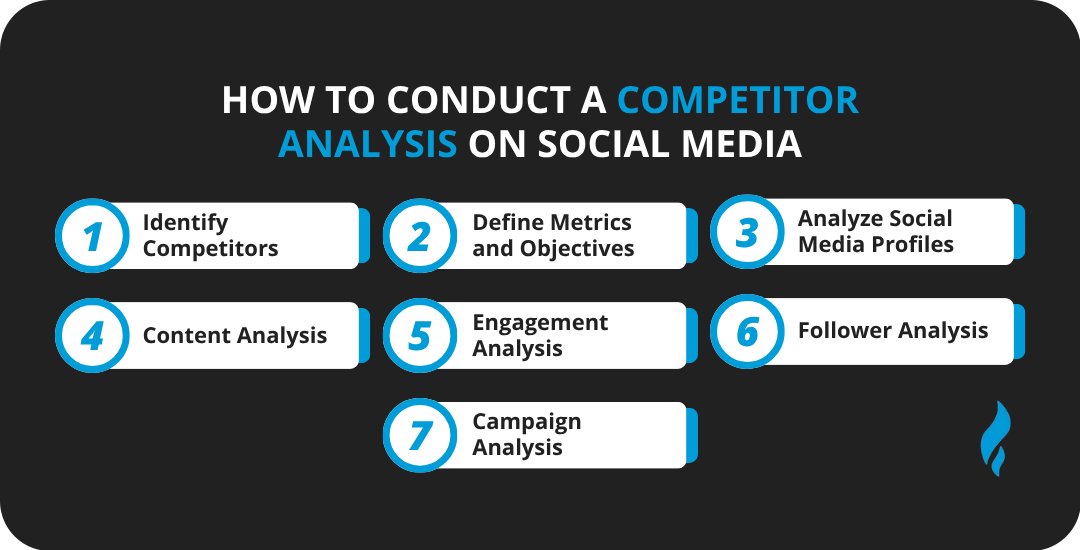
3. Analyze Your Competitors
You should not jump into any social media platform without doing a social media audit and analyzing your competitors. Check where your competitors are most active and which platform is helping them generate social media traffic and engagement.
4. Align Platforms With Your Social Media Goals
Your social media goals should drive your platform choices. Start by asking: How do your social profiles support your brand?
- Is your goal to increase brand awareness
- Do you want to build a community to keep your followers engaged?
- Is your goal social selling and generating leads and sales?
This question will help you find the platform that will help you achieve your social media marketing goals.
Also, think about the type of content you post and how they perform. Post videos, articles, photos, or infographics and choose the platform that best supports them.
5. Test, Track, And Optimize
Social media isn’t set it and forget it. You have to be consistent on social media and test different social media campaigns and adjust your strategy to generate results.
Try And Test
You should test different content types to find what works best for your audience. But to avoid any social media fails, you should start with a small effort and then scale based on results.
Track
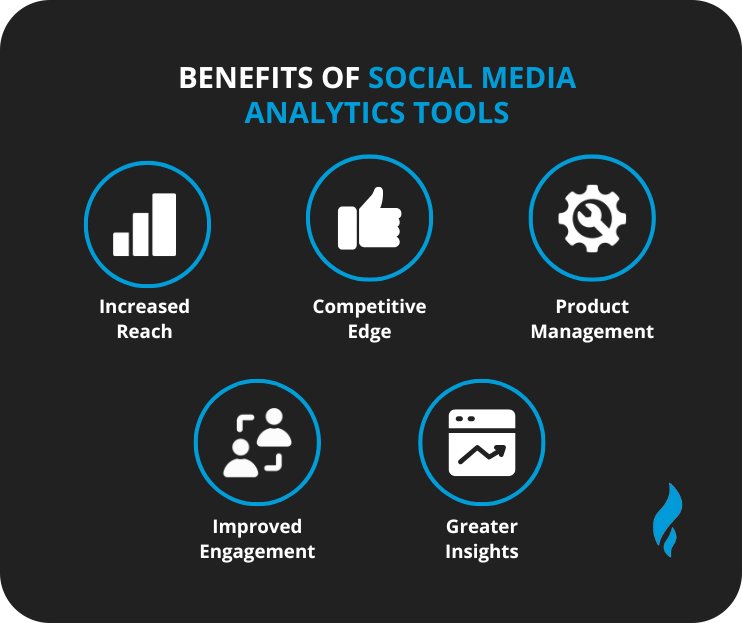
You should track if your strategy is helping you move closer to your goals. Track your campaigns and measure the social media ROI of your efforts. Use social media analytics to track your engagement, reach, and conversions to see where you need to improve.
Improve Your Strategy
Use this social data to refine your strategy, and don’t worry if some attempts fail. You should interpret results and make data-driven decisions to make sure your efforts generate results. Also, note that social media trends always change, so you should stay flexible to keep up.
Platform Insights To Make An Informed Decision
We at LYFE Marketing are on a mission to help small businesses grow, and we have gathered insights from our 12 years of experience in social media marketing.
Here is a breakdown of the top social platforms to help you choose the right one based on your marketing goals:

Monthly Active Users: 3.07 Billion
Age Distribution:
Popular among baby boomers, 29.4% of the Facebook audience is between the ages of 25 and 34, and 22.6% of the audience is 18 to 24. Around 19% of the audience is in the age bracket of 35 to 44.
Platform Strengths:
- Advanced targeting options
- Diverse Advertising Options
- Strong community features
Ideal For:
- Small businesses
- Building niche communities
- Highly targeted advertising
Monthly Active Users: 2 Billion
Age Distribution:
30.8% of the Instagram audience is between the ages of 18 and 24, and 29.6% are in the age bracket of 25 to 34.
Platform Strengths:
- Visual content (Images, reels, videos)
- Influencer Marketing and UGC (user-generated content)
- High engagement rates
Ideal For:
- Visual industries and lifestyle brands (fashion, travel, food)
- Marketing to a younger audience
TikTok
Monthly Active Users: 1.59 Billion
Age Distribution:
TikTok is predominantly used by Gen Z, with 36.2% of its audience in the age bracket of 18 to 24.
Platform Strengths:
- Viral Content
- Algorithm-driven discovery
- Engaging Reels (short-form videos)
Ideal For:
- Marketing to Gen Z
- Entertainment content
- Influencers
X (Twitter)
Monthly Active Users: 611 Million
Age Distribution:
X (Twitter) is also popular among baby boomers, with 38.5% of its audience between the ages of 25 and 34 and 26.5% between 35 and 49.
Platform Strengths:
- Real-time updates and latest news
- Public discussions
- Quick customer support
Ideal For:
- News Outlets
- Tech Industry
- Customer service
Total Platform Users: Over 1 Billion
Age Distribution:
60% of the audience on LinkedIn is between the ages of 25 and 34.
Platform Strengths:
- B2B marketing
- Professional networking
- Sharing thought leadership content
Ideal For:
- B2B companies
- Career growth and development content
Monthly Active Users: 570 Million
Demographics:
76.2% of the Pinterest users are female, and 17.2% are male.
Platform Strengths:
- Strong buying intent
- Visual inspiration
- Long-lasting content
Ideal For:
- E-commerce
- Fashion and Home décor
- DIY and crafts
Choosing the right platform means posting the right content on the right platform. Different platforms support different content types and user behaviors. You have to align your strategy and use the right content to drive results.
Since each platform supports different content types and user behaviors, aligning your strategy with their strengths can drive better results. Here’s an overview to help you decide:
| Platform | TikTok | X (Twitter) | Pintrest | |||
|---|---|---|---|---|---|---|
| Ideal Caption Length | 40-80 characters | 100-125 characters | Under 100 characters | 150-300 characters | 71-100 characters | 100-200 characters |
| Length Limit | 63,206 characters | 2,200 characters | 150 characters | 3,000 characters | 280 characters | 500 characters |
| Post frequency | 2 per day | 3-5 per week | Up to 4 per day | Up to 5 per day | 2 per day | 4-10 pins per day |
| Hashtags | Max. 2 | 3-5 | 2-3 | Max. 2 | Max. 2 | 2-5 |
| Best Content Types | Visual Content (videos, images) | High-quality Visuals, Reels, Carousels | Trending Challenges, UGC content, Engaging Reels | Thought leadership, Industry Trends, and updates | Hashtags, Trending News, and Topics | Infographics, Quality visuals |
We can even help you develop a social media strategy and manage your day-to-day social media tasks so that you can get back to what’s important.
Learn more about our contact our professional team of social media marketers when you’re ready to get started.
Which social media is best to use?
Facebook, Instagram, TikTok, X (Twitter), and LinkedIn are the best social media platforms to use. But, you should use audience insights to decide which platform is best for your business
What is the 5 5 5 rule on social media?
The 5 5 5 rule involves commenting on 5 posts and liking 5 posts within 5 minutes. This boosts engagement, increases traffic, and can lead to more sales.
What social media is Gen Z using?
Gen Z is using visual social media platforms like Instagram, YouTube, and TikTok. And 46% of Gen Z users use them as social media search engines as well.
What is the #1 social media right now?
Facebook is the #1 social media right now with over 3.07 billion monthly active users in 2026.

