



Are you having a hard time justifying your social media budget? Everyone wants to get the most results for the least amount of money. But small business owners don’t know if they’re getting the most out of their social media budget, and the numbers bear this out.
You need to get the most out of your social media budget in the short and long term. We have helped more than 4,079 businesses grow on social media and today we’ll show you how to make the most out of your budget.
A social media budget outlines how much you plan to spend on social media marketing during a set time. It’s usually yearly, but you can also set a monthly, quarterly, or campaign-specific budget.
You can share a social media budget in a simple spreadsheet or use project management. Use a format that’s clear and easy to follow so you can track spending over time and measure your social media ROI (return on investment).
Your budget should include more than just your ad spend. Here are all the key factors to consider when planning your social media budget.
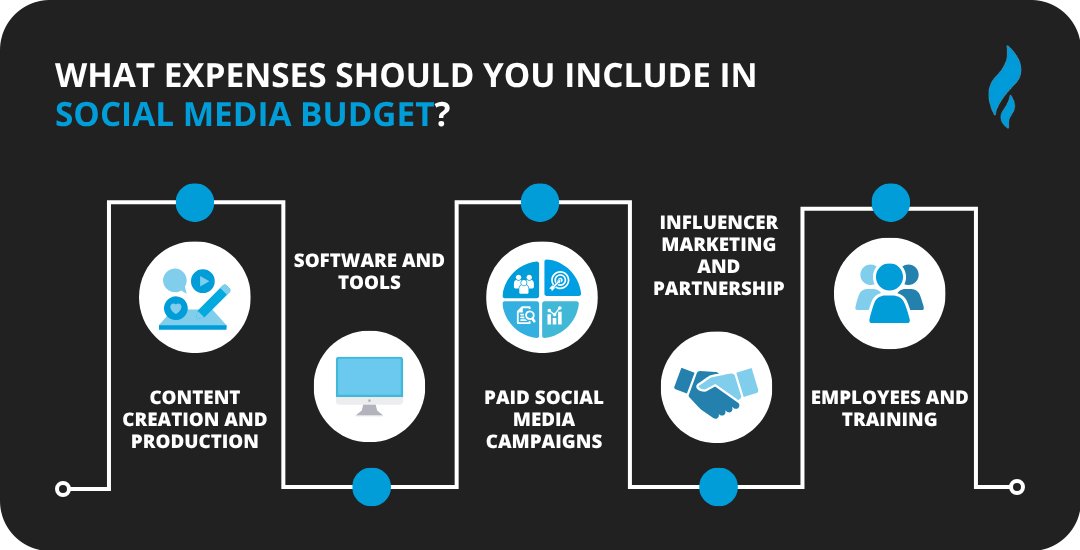
Content Creation
Content is a major part of your social media budget. Social media marketers spend over half their budget on creating content. Here are some common content-related expenses you should include in your budget:
- Production Cost (location rent, decorations, etc.)
- Equipment Cost (lighting setup, microphones, etc.)
- Talent Cost (Actors or models you may hire)
- Video Production, Photography, and Image Cost
- Editing and Copywriting Cost
- Graphic Design Cost
The content creation costs will vary based on the complexity of your project. For example, if you’re using free stock photos, they are free. But if you want to feature your products in custom visuals, you will need to budget for a photographer.
Video costs depend on your approach. If you want Reels, you can use your mobile phone as a cheap option or hire a social media marketing agency for professional results.
You can also use AI tools to reduce the cost of production. They can support your creative process but can’t replace content creation entirely, and you will also have some limitations.
You don’t need to create content for every platform. Focus your budget on the channels that deliver the best ROI and adjust your content for different platforms.
Social Advertising
When setting your social ad budget, remember the goal isn’t always instant sales. Social media ads help attract potential customers at the top of the funnel, leading to conversions through future organic and paid social media campaigns.
We have helped small businesses generate over $304 million with social media advertising. If you haven’t tested social media ads, try a small campaign to see how they affect your results, or consider our help.
You can start with a small budget and scale up based on results, but avoid spending on paid campaigns without tested results.
Here’s a look at the minimum spend you need to run a campaign on different social media advertising platforms.
- Facebook: $1/day
- Instagram: $5 for 6 days
- TikTok: $50/day for campaigns and $20/day for ad groups
- LinkedIn: $10/day
- Snapchat: $5/day
- X (Twitter): No minimum
- Pinterest: $0.10 per click
You cannot unlock all ad features and a big reach with this budget, but it shows how affordable it is to start. For more guidance on using paid social media, check out: What Does A Social Media Ad Cost?
Social Media Agencies And Freelancers
Trying to do everything yourself isn’t always practical. You can hire a social media agency or freelancer if you lack time or a specific skill. The best part is that you can hire them for the specific skills you need, saving budget of a full-time staff.
You can hire an expert social media marketing agency like LYFE Marketing to scale your social media efforts. We have helped small businesses generate over $304 million in revenue on social media and can help you get the most out of our social media budget.
Check our detailed guide: How Much To Hire A Social Media Marketer?
Social Media Tools And Software
You need the right tools to run successful social media campaigns and simplify your work to help improve your results. Different tools cost different so if you’re using paid tools, include them in your budget.
You should use tools that support your social media goals and avoid adding extras you don’t need. For example, you can use the best social media schedulers to automate content posting and save time.
Influencer Marketing
You can partner with influencers to expand your social media reach. Influencers charge based on their audience size. For example, nano-influencers with under 10k followers charge between $5-$25, and mega influencers charge $1200 or more.
Your influencer marketing budget depends on:
- The audience size of the influencer
- Your marketing goals
- Partnership type (commission-based, fixed price, or any other)
- The campaign format.
Contests And Giveaways
You can use contests and giveaways to increase social media engagement and your brand awareness. They generate user-generated content, but you’ll need to budget for the prizes.
Your cost-effective option is to use your own products or services as a prize or giveaway. The second option is to collaborate with another brand for the giveaway.
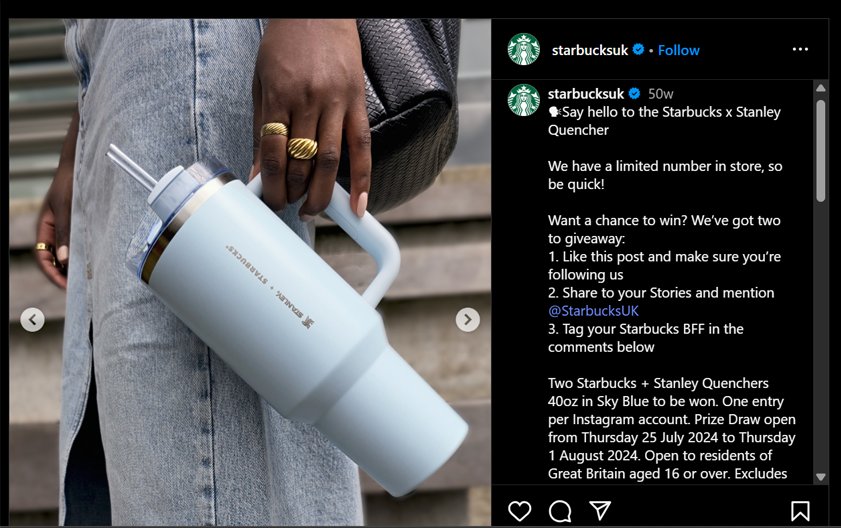
For example, Starbucks and Stanley ran a Quencher giveaway where Starbucks offered sky blue Stanley tumblers (limited-edition) through an Instagram giveaway that created social buzz and increased sales.
Training And Development
Social media is always changing, be it the social media trends or algorithm changes. Social media managers also learn and improve their skills as they go, but there is formal training for social media offered by colleges.
That’s where our digital marketing blog can help you out. We are on a mission to help small businesses grow. Our Social media experts share detailed insights and expert tips to help all learn digital marketing.
If your team needs support with their social media marketing efforts and wants to know how to increase sales on social media, consider hiring our social media marketing agency.
Social Media Management And Strategy
Social media management is more than posting content. You have to provide customer service, engage with followers, and manage the online community.
Social listening tools can help you understand your audience and spot opportunities, and you also have to work on your social media strategy and manage the budget. So there is a lot to social media management.
You’ll need an experienced social media manager to handle all these tasks, and you have the following options:
- In-house: average salary is $76,00
- Agency: $62,500 to $80,000 on average
- Freelance: Between $52,000 and $65,671
Now that you know what is included in your budget, here are some tips to justify it and get it approved:
1. Align KPIs With Your Business Goals
You need to show how your social media efforts are helping with your business objectives, and you can do it by aligning your social media KPIs with your business goals.
Show how your social goals support overall business objectives to get your budget approval. This is important because stakeholders do not fully understand how to use social media and how it works.

Show that your goals follow the SMART framework (specific, measurable, achievable, relevant, and time-bound) to prove they’re aligned with business needs.
You can add SMART goals and clear KPIs in your budget request to show that your social goals support the broader business plan.
2. Understand Your ROI And Performance
You have to show results and social media ROI (return on investment) when using social media for marketing to justify your budget or get it approved.
Link how spending on social media generates revenue for your business, and look beyond direct sales. You can increase your brand awareness and loyalty on social media for long-term customer value.
Focus on measurable results and performance marketing to fully understand your ROI.
3. Share Case Studies And Wins
Learn how to show results and use analytics to show your top-performing campaigns. You should highlight conversions or revenue and link them to your social media campaigns. Get creative with what you highlight to get your social media budget approved.
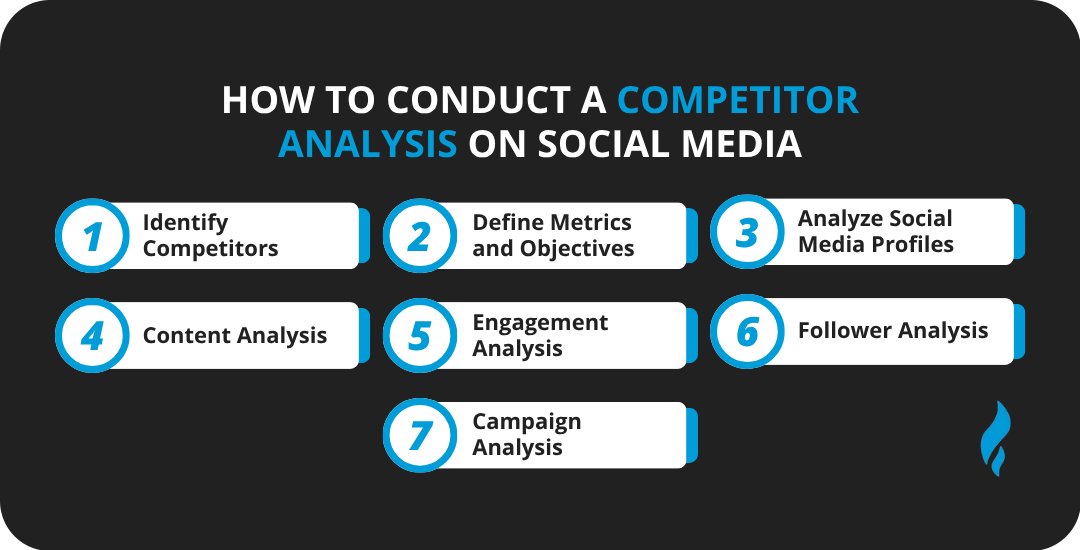
4. Use Competitor Analysis
Show how your social performance stacks up against your competitors to justify your budget. You can do a competitor analysis to reveal how your competitors are using social media to their advantage.
If your competitors are doing more than you, it can help you get your campaign budget approved. This shows business owners you’ve done the research. When your budget is based on a social media audit, you understand what it takes to stay competitive.
5. Be Specific, But Allow Flexibility
You should plan your budget in detail, but set aside funds for unexpected opportunities or trends. Ask for a social ad budget instead of locking in amounts for each platform.
You can use platform estimates as your guide, but keep things flexible to shift the budget based on platform results.
General Marketing Budget
Your social media marketing budget varies based on your business size and objectives. In 2026, marketing budgets generally range from a few hundred dollars to over $20,000 per month.
Small businesses allocate $500 to $2,500 monthly, and enterprise companies spend between $5,000 and $15,000 or more. You should allocate 7%-20% of your gross income to the overall marketing budget.
Social Media Marketing Budget
Your social media marketing budget in 2026 can range between $500 and $20,000 per month. Some businesses allocate 25% of their overall marketing budget to paid media.
Your social media budget depends on what you can and can’t do. Keep in mind that:
- Someone has to write social media posts.
- Someone must upload the photos and videos on social media.
- Someone has to respond to customers, especially if they have problems or questions.
You can’t do it all, so you’ll have to budget for the things that you can’t do yourself. That can be hiring another staff member or putting your social media marketing on autopilot.
Here are a few rules of thumb you should follow when spending on social media marketing:
- Spend Your Budget On What You Can’t Do Yourself
Suppose your weak area is social media advertisements; you can hire professionals who will handle your advertising.
- Spend Your Budget On The Most Time-consuming Tasks
If it takes you too much time to manage your social media campaign, then it’s a good idea to get social media marketing services.
- Only Spend Money On The Things That Will Generate Profit And Align With Your Goals
If you owned a retail boutique, you wouldn’t pay to have ads on LinkedIn, where mostly B2B companies and professionals spend their time. You should allocate your time and resources to paid shopping ads on Google and attract the right customers.
Here are 5 key strategies to get the most out of your social media budget:
1. Pick The Right Platform
You should consider the pros, cons, and requirements of each social media platform before investing marketing dollars.
For more information about the benefits of each social media network, you can read our post about the best social media platforms for business. Here is a brief overview of the most popular websites for social media advertising.

- Facebook: It is the largest and most popular social media network. You can use it to advertise your products and services online to a highly targeted audience.
- YouTube: This is the second-largest social media platform. Video creation is a requirement to post on social media.
- Instagram: A visual platform that’s best used for creative image marketing.
- TikTok: Best platform for short video advertising and going viral with humorous and fun reels.
- LinkedIn: Great for B2B online marketing. You can target professionals and decision-makers within a business.
- X (Twitter): Best used for as-it-happens advertising. But, advertising is difficult to set up and track than other advertising methods, like Google Ads.
- Snapchat: Fast growing and especially popular with millennials, but it is more expensive to advertise on.
- Pinterest: Good for targeting female/smaller/niche audiences, and offers an online advertising platform as well as buyable pins
- Yelp: Brand and reputation management is key on Yelp because customers leave reviews on the platform. Yelp can grow brand awareness, and you can also advertise and offer coupons for your business.
2. Use Videos and Images
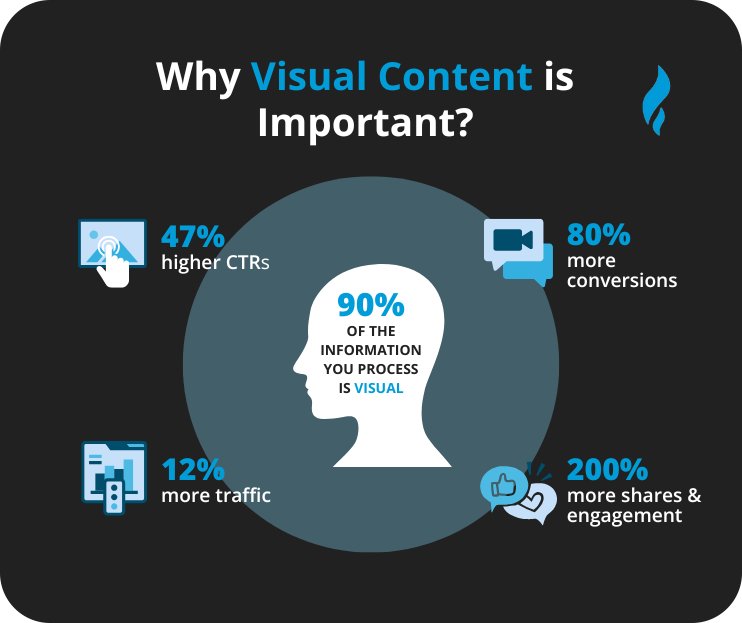
Visuals have always been important in advertising, and this is also true with social media advertising.
Video Marketing
Consumers prefer to watch a video about a product instead of reading about it. So, using video marketing to promote your business is effective. You don’t need to have professional equipment to produce videos. A basic sound tool and smartphone with a decent camera can do the trick.
But before you decide to invest in video marketing, you must consider your target audience. Due to the nature of video marketing, it can be more intrusive than other communication methods.
For example, if the nature of your product is more sensitive or adult-themed, then you might not want to go overboard on video marketing.
Image Marketing
As for images, an analysis of 1 million articles by BuzzSumo revealed that articles with at least 1 image for every 75-100 words were shared twice! That’s the power of visual marketing.
Images carry more weight on social media, so we recommend that you spend most of your social media budget on obtaining quality images for your products, services, or team members.
People trust companies with high-quality images over companies with lower-quality images or no images at all. There are many types of visual marketing content.
You should consider which ones will work best for your marketing plan. First, come up with a list of ideas for visual marketing content. Then, come up with a list of different visual methods for presenting these pieces of visual content.
Be sure to check out competitors, see what works in your industry, and what doesn’t. Then use the best methods for advertising your visual content pieces.
3. Paid Advertising – What You Need To Know
The main advantage of advertising on social media is that it’s cheaper than other advertising options. You’ll be able to try out several different platforms and methods to find out what works best for you.
You can also get advertising help directly from the social networks themselves. Spend $1 a day on Facebook for a couple of weeks. Studies have shown that you can grow an audience by as many as 4000+ visits this way.
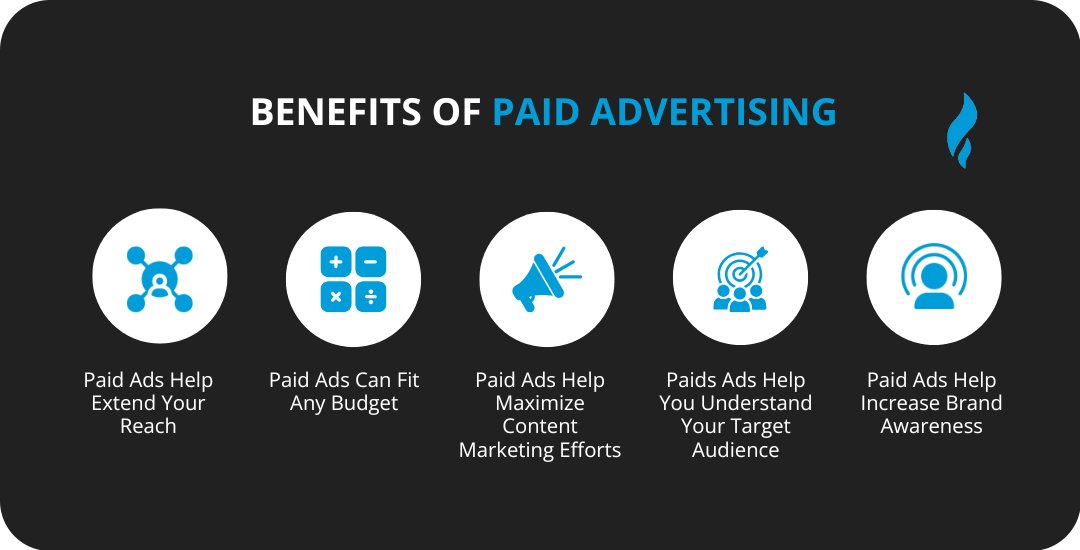
X (Twitter) also has decent click rates, just spending $1 a day, and has a 1%-3% better CTR (click-through rate) than Facebook. Click-through rate means the ratio of people who click the link on your advertisement compared to the people who simply view your ad.
Here are some marketing jargon terms you should know:
- CPM means the cost per 1,000 impressions on one webpage. The “M” represents the Roman numeral for 1,000. For example, the average CPM for Facebook is $0.59.
- CPC simply means cost per click. No confusion here. This is how much you’ll pay when someone clicks your ad.
- RPV means revenue per website visitor. A simple formula is RPV – CPV = Profit. CPV means cost per visitor.
It’s important to understand these basic terms and what goes into them, so that you can determine if you’re getting the most out of your social media budget.
4. Social Media Copywriting Tips
Your visuals should go to copywriting after visuals and advertising. Content is king on social media. You need creative writing to convince people to click through from your content.
You need unique, funny, witty, and inspirational quotes, which becomes harder than it sounds once you try your hand at it. If you aren’t a creative writer, then this won’t be free.
For every special occasion that comes up, big companies have a humorous comment to go along with it, and somebody gets paid to write these posts.
One of the key things to understand about writing content for social media is that you want to align your content with the kind of content that people on the platform expect.
You want your written content on the social media site to align with the expectations of the users. Every social media site has its own culture, and it takes time to learn it. Your content should align with the platform; otherwise, you may face social media fails.
5. Measure Your Social Media Budget ROI
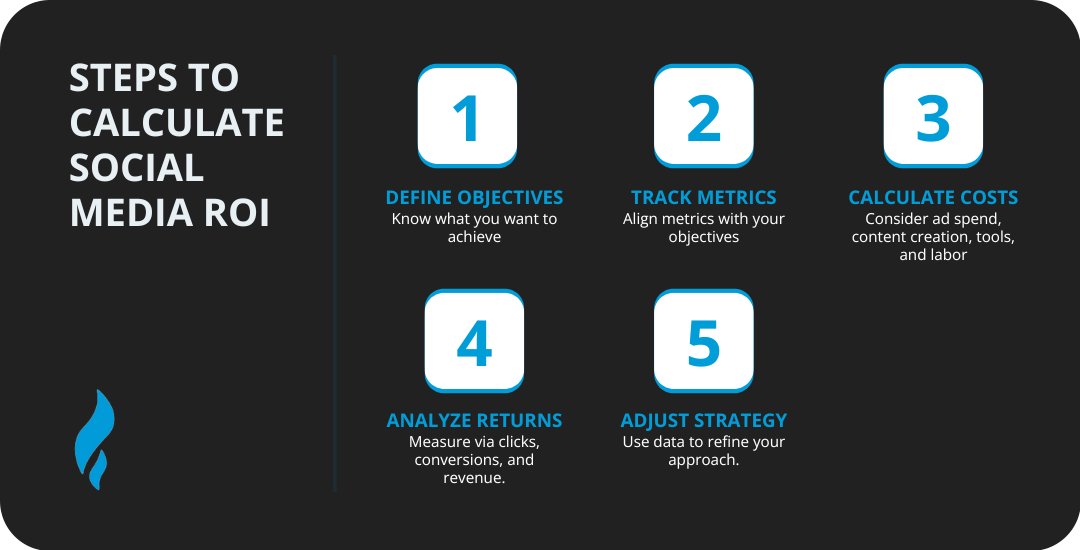
Here are a few ideas for measuring your social media budget ROI.
- Create social media exclusive coupon codes and offers to track sales easily. If your company doesn’t do eCommerce, you could also make the codes redeemable offline at your physical stores.
- Set up multiple lead generators through your website. These could be contact forms, webinar registrations, content downloads, email subscriptions, etc. You can easily measure the impact of social media with all of these.
- Use CRM software tied to web analytics to track your lead generators. Don’t know which software to choose or where to start? Let us take the guesswork out for you.
Conclusion
You need a strategy that encompasses various aspects of marketing to get the most out of your social media budget. This includes how you manage your social media accounts and how you spread your message on social media.
We are a social media management firm, so we can help you in both of these areas. If you need a social media management system for all your social media accounts, check out what we offer in our digital marketing services.
Feel free to book a call with us to see what plans work best for your brand and social media budget.
What is a good social media budget?
A good social media budget should match your business size, goals, and industry. Brands spend 10–25% of their marketing budget on social media. You should support your main goals while leaving room to test and grow.
What is the 70/20/10 rule for social media?
The 70/20/10 rule for social media is that 70% of your posts should build your brand and provide value, 20% should be shared content from other sources, and 10% can be promotional.
What is the 5 5 5 rule on social media?
The 5 5 5 rule on social media is a content strategy that suggests you should have 5 posts that add value, 5 posts to promote your brand, and 5 posts to engage your audience.
What is the 70 20 10 rule for marketing budget?
The 70 20 10 balance your budget with 70% budget for proven strategies, 20% for new but promising ideas, and 10% for testing new approaches. You can keep your plan stable and allow room to grow and innovate.

