



Your social media marketing strategy will not work if you don’t have clear goals and data to create social media campaigns. You should conduct a social media audit to improve your strategy and create successful social media campaigns.
Most businesses post on social media without a clear plan or a strategy, and business owners are too busy to review it. Conducting a social media audit is a simple but important step to help you reach your marketing goals.
This guide will show you how to run a social media audit effectively. It includes clear steps, practical tips, a free template, and a video walkthrough to help you get started.
A social media audit is a complete review of your brand performance on all social media platforms. It helps you see what’s working, what isn’t, and what needs to be fixed to improve your social media presence.
Here’s what a social media audit can help you achieve:
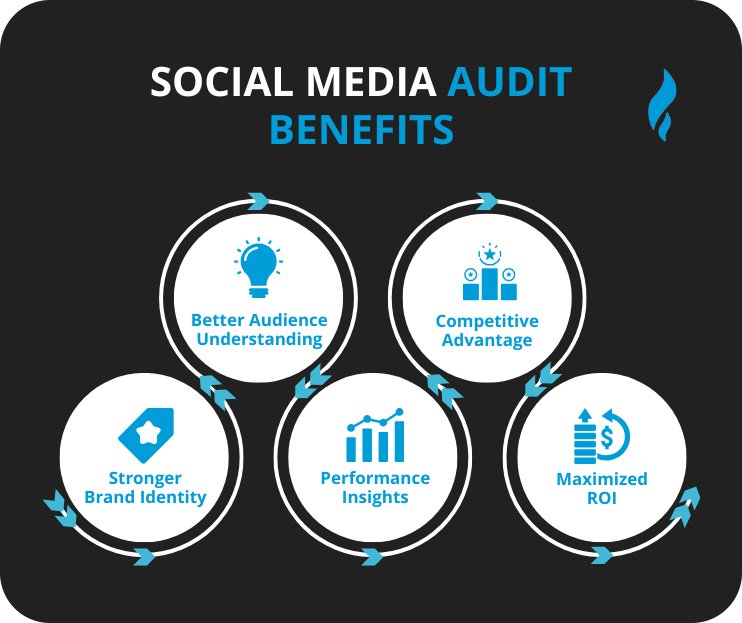
Understand Your Social Media Performance: You can conduct an audit to find metrics like engagement, reach, and audience growth, and use this data to make informed decisions about using social media for marketing.
Improve Your Social Media Strategy: An audit will help you review your content, audience, and competitors to see what’s working and where you need to improve.
Align Your Social Strategy With Business Goals: You can identify activities that help you with your business objectives using a social media audit. Find which content is driving social media traffic, leads, or an increase in brand awareness.
Spot Growth Opportunities: You can use an audit to highlight new audiences to target or find platforms that can help you with your marketing goals.
Not sure how to start a social media audit? Don’t worry, you need little effort, but it helps you generate long-term results and create effective social media campaigns.
Download our free social media audit template and enter your data to run a social media audit. But if you need more help, hire an expert social media marketing agency like LYFE Marketing for help.
1. List All Your Active And Inactive Social Media Profiles
You should list all your social media business profiles, including inactive or rarely used accounts. All social media advertising platforms matter, be it your old YouTube channel or a Reddit page.
You don’t need to focus on unused platforms, but make sure the accounts are claimed and managed by your business.
The LYFE Marketing audit template includes tabs for major social networks. You can list all your active and inactive profiles in one spot on the Summary Tab.
Once you’ve listed your profiles, decide which ones you want to focus on. We recommend using platforms that your audience uses the most, or platforms that are performing better than expected.
2. Set Clear Goals For Each Platform
You should decide what you want to achieve on each social media platform. Social media goals can be to:
- Increase Brand Awareness
- Generate Leads or Sales
- Grow Your Follower Base
- Drive Traffic Back To Your Website
- Increase Social Media Engagement
You should align your social media goals with your marketing objectives and also take into account how your audience behaves on different platforms.
For example, if you want to increase TikTok followers but most audience finds your content through the For You Page, then you should focus on increasing views.
This matches how your audience engages with your content, and your audit data can back up the shift. Focus on the metrics that align with your current goals.
3. Use Consistent Brand Identity And Language
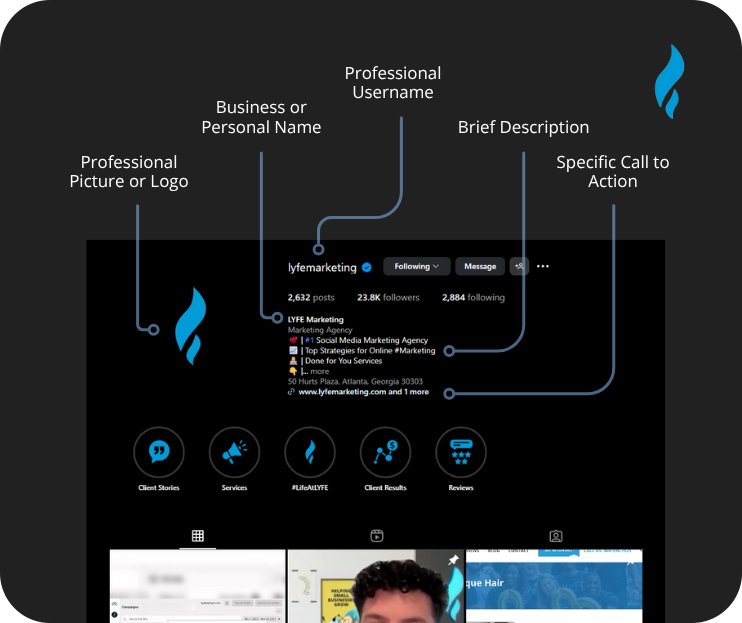
You can build a strong brand on social media using consistency in your brand voice, but these small details are overlooked by brands on social media. Check if your business profile sends a clear and consistent message during the audit. You should check these details:
- Your Bio and About sections
- Your profile picture and cover images
- Linked landing pages and URLs
- Hashtags you use in your Bio
You may not need many updates if you rarely run social media campaigns. But if your brand runs frequent social media marketing campaigns, regular checks are important. For example, make sure easter-themed content isn’t live in September.
4. Check Your Social Media Analytics
You should review your in-app data to see how your social profiles are performing. Check if you’re meeting your goals, or do you need improvement.
If you’re not sure how to track performance and key metrics on social media, consider working with a social media marketing agency like us. We will help you compare results and social media ROI across different platforms and assist with social media optimization.

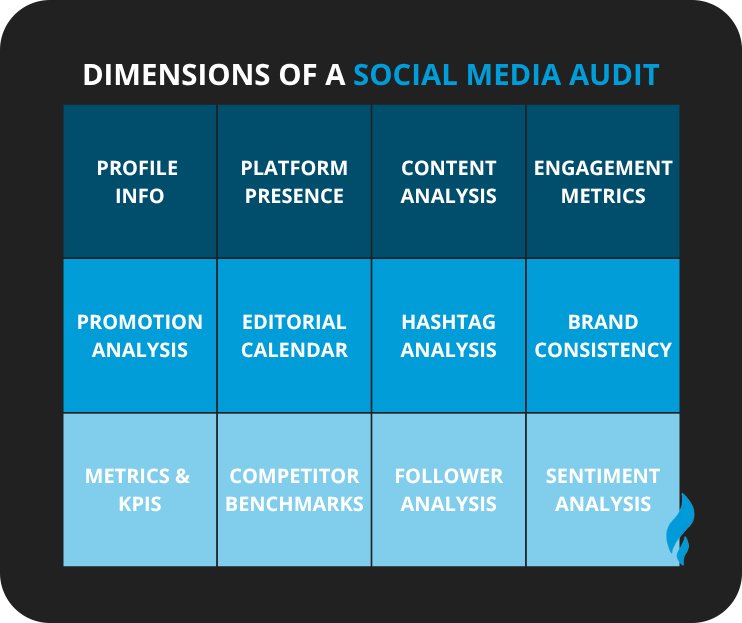
You can also use our free audit template to track key metrics, such as engagement, clicks, shares, referral traffic, and impressions. Use the data from the audit to find the best-performing social platforms and focus your efforts there.
5. Identify Your Top-performing Posts
You want content that your audience cares about. Check how your different social media posts perform. You can use in-app social media analytics to see which content gets the most engagement.
Track these key social media KPIs to review how your content performs:
- Impressions and Views
- Engagements (likes, comments, shares, saves)
- Reach
Checking these metrics manually can take a lot of time and effort, but you can work with a social media agency like LYFE Marketing to get help from social media experts.
You can also use our free social media audit template to measure overall publishing performance and individual post results. Divide your content by post type for a better understanding. You can divide your content into
- Promotional content
- Educational or informational content
- Visual Content
- Entertaining Content
You can use this to figure out what works best for your audience. Use these insights to plan your social media content calendar and use the best social media schedulers to post consistently.
6. Track How Social Media Drives Traffic and Leads
You want to achieve your marketing goals using social media for business, which means you want to see leads and sales. Track which social media posts are generating traffic and revenue. You can check this using Google Analytics to see social media acquisition.
It is better to work with an experienced agency because they can help you interpret results better and help you make the most out of your social media budget.
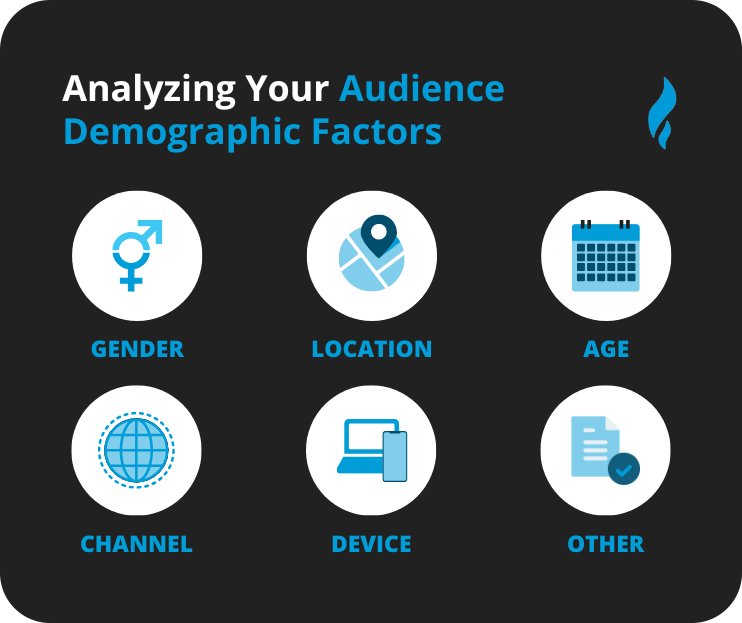
7. Check Audience Demographic Data
Your content and tone should match your audience. What works for Gen Z won’t work the same for baby boomers. You should include demographic data in your audit to understand different audiences and the social media platforms they use.
8. Look For Opportunities On New Social Media Platforms
Social media trends change, and new platforms gain attention each year; some last, and some don’t. For example, TikTok and Threads in recent times. You can jump into these platforms early to get a competitive edge. You should stay open to new options to grow and increase your chances of selling on social media.
9. Set New Goals and An Action Plan
This step comes after your social media audit is complete. You should use the audit data to understand where your business stands and how you will move forward.
Ask yourself these questions:
If you have some other goals, like increasing followers or social media engagement, add them to the questions and create an action plan to move toward your goals.
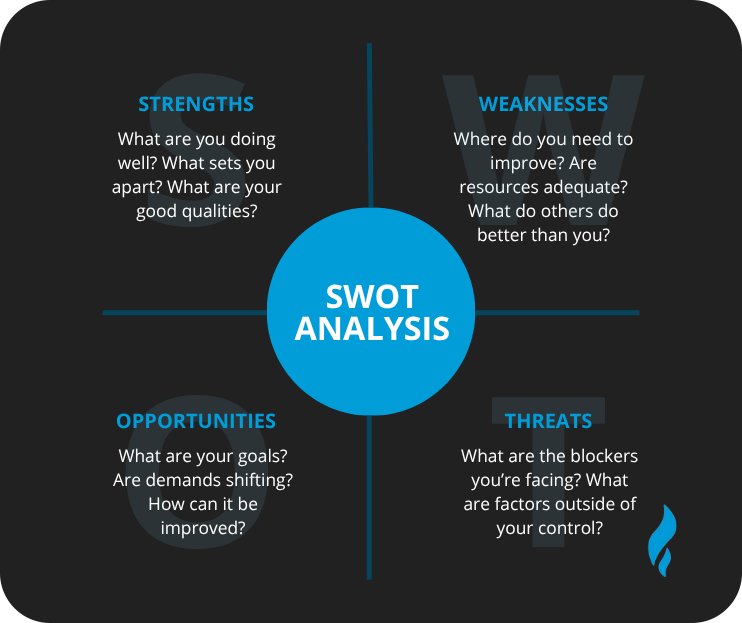
You can use the SWOT (strengths, weaknesses, opportunities, threats) section from the LYFE Marketing social media audit template to plan your marketing. But in case you’re not sure what to do, give us a call at 404-795-6075 or fill out our Contact Form to schedule a meeting.
10. Share Your Audit With Your Team
Your business is connected more with your social media because of social commerce and search. You should share your social media audit to:
- Get support and resources from managers and stakeholders
- Create an effective strategy and content based on what’s working
- Find ways to align social efforts with sales to increase return on investment.
Use our audit template to keep a record of your social media and find key insights and social media best practices.
Don’t worry about your audit. The LYFE Marketing social media audit template will make things easy for you; just enter your data, and that’s it. You can find key metrics in a simple easy to easy-to-understand template.
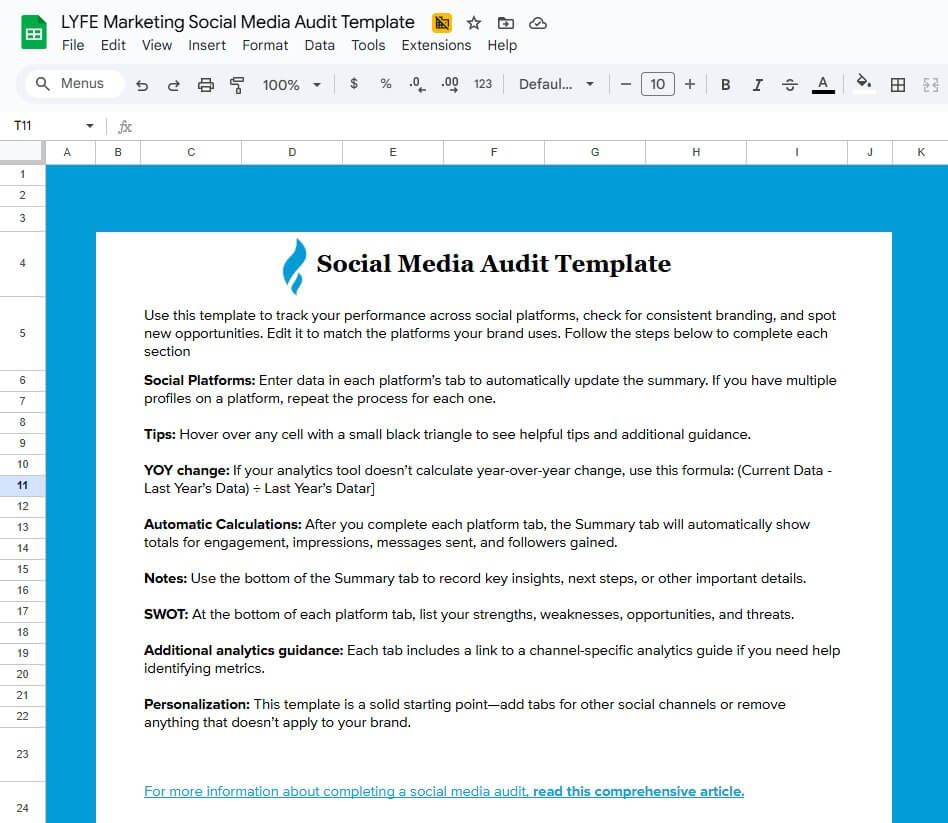
But depending on the importance of social media in business for your company and your priorities, you have to adjust the template for the best results. You should include:
- Profile name and URL
- Engagement data
- Posting frequency
- Audience demographics
- Referral traffic sources
- Platform-specific metrics
Track the results and changes between months and last year to see if you’re heading in the right direction. You can also use the year-over-year data to spot seasonal trends.
Run social media audits every quarter to spot long-term trends while still making timely updates.
An audit template can help you manage multiple channels and provide insight and effective strategies to avoid any social media fails. But there’s no single right way to conduct an audit; use what works best for your business.
Here are a few ways you can structure your social media audit:
Example 1: In-depth Audit
You can use a detailed audit to track user engagement, your audience growth, and posting frequency across all accounts. If you post frequently on social media and want to see what’s driving results, you should use an in-depth audit.
Example 2: Quick Audit
Quick audits use simple yes-or-no questions for a high-level check. Ask yourself things like:
- Is your branding consistent across platforms?
- Have you posted in the past week?
- Is our inbox cleared of customer messages?
- Do our bio links lead to current promotions?
These audits are fast because they focus on major checks, not detailed metrics. They don’t show detailed results, but help you keep your social channels up to date.
Example 3: Social Media Agency Audit
You can work with an agency for detailed social media audits that don’t rely on spreadsheets. They use a clear visual deck which are more effective and shows in-depth results and an overall bigger picture.
Top social media agencies like LYFE Marketing break down your complex data into simple takeaways using graphics and brief text to make the audit easier for you to understand and act on.
Google Analytics
You can use Google Analytics (GA4) to collect data for your audit. It tracks metrics like search data, your landing pages, and traffic sources to align your social media strategy with your search performance. The best part is that this is a free tool.
Salesforce
You can track touchpoints and actions that lead to real business results using CRM tools like Salesforce. It can show you the real revenue you generate from your social media marketing efforts.
Buffer
Buffer is another social media platform you can use to track your engagement, performance, and audience data. It provides an easy to understand dashboard but doesn’t provide any competitor analysis or social listening.
Later
Later is a good option if you manage your own social media and want to preview content before posting. It shows post performance and suggests the best time to post on social media.
Talkwalker
You can use Talkwalker to track your brand mentions across all social platforms. It also gives real-time insights like your audience sentiment analysis and trending content. But it doesn’t provide a full audit.
Conclusion
If you have never conducted a social media audit before, you may find it a little difficult. But the process is straightforward with our social media template.
Initially, your social media audit will take some time. But you’ll have a high return on your time investment if you focus on the right metrics. You can discover what you’re doing wrong and how you can improve it for a stronger social media presence.
Not the DIY type of business owner? Consider implementing our Get in touch with us to learn more about our package options today.
How to do a social media audit?
You can do a social media audit by tracking key metrics, reviewing your content, and checking your profile for consistency. Use an audit template (spreadsheet) to document findings and spot gaps.
What is an example of a social audit?
An example of a social audit is reviewing your Instagram and Facebook profiles to analyze follower growth, engagement rates, and content performance. You can adjust your strategy based on insight.
Why do you need a social media audit template?
You need a social media audit template to cover all key audit areas consistently and track your progress over time. An audit template makes things easy for you and organizes your social data.
What is the primary goal of a social media audit?
The primary goal of a social media audit is to assess your performance and improve your social media presence for better results like an increase in engagement or leads.
What is a social media audit, a hard look?
Yes, a social media audit is a hard look at your social profiles, content, and results to find strengths and weaknesses.
What does a social media audit do?
A social media audit helps you find what’s working and what’s not in your social media marketing strategy. You can find improvements and align your social media efforts with your business goals using an audit.
What is a social media audit template?
A social media audit template is a spreadsheet you can use to log your performance, profile info, and content data to keep your audit organized and repeatable.
What best describes a social media audit?
A thorough review of your social platforms to evaluate performance and guide improvements best describes a social media audit.
Other Social Media Marketing Resources
- What Are The Different Types Of Social Media Marketing Agencies?
- Top 17 Social Media Marketing Agencies Columbus 2026
- Top 15 Social Media Marketing Agencies Cleveland 2026
- Top 14 Social Media Marketing Agencies In Cincinnati 2026
- Top 14 Social Media Marketing Agencies Huntsville 2026
- Top 14 Social Media Marketing Agencies Birmingham 2026
- Top 11 Social Media Marketing Agencies Montgomery 2026
- What Does A Social Media Marketing Agency Do?
- What Is The 5 3 2 Rule For Social Media?
- What Is The 70 20 10 Rule Of Marketing?

