



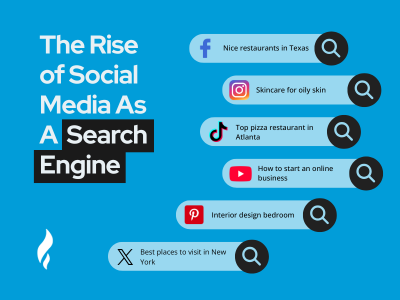
Social media is no longer just for communication. Social platforms like TikTok, Instagram, YouTube, and Pinterest now act as search engines to compete with search engines like Google and help people find information on the platform.
This shift is happening because people now search differently, algorithms have improved, and content is easier to find. You will find TikTok, Instagram, and YouTube leading social search. But platforms like Facebook, X (Twitter), and Printest also provide the feature.
Will social media replace traditional search engines? Let’s look at how the growing use of social platforms is changing the way people search for information online.
Social media search means searching for products, information, or brands directly on a social media platform.
Google has dominated online searches, but Forbes reports that 24% of consumers now turn to social media to look for answers. The trend is more among Gen Z; 46% of Gen Z users use social media as their primary search engine.

Social media advertising platforms have a built-in search bar that you can use to find content by usernames, trends, hashtags, mentions, and products.
Social media search works differently from traditional search engines. Some platforms suggest terms based on your activity and social media trends, while others use filters.
But each social media platform has a certain type of audience demographic and content. For example, TikTok has a Gen Z user base and short videos as content type.
How people search and the results they get also vary depending on the platform trends and what gets the most engagement.
Are People Still Using Google for Search?
Google still dominates in search engines despite recent market shifts. Google still has 89.74% of the global market share as of December 2024.
But younger users are shifting to social media as their top source for finding products and services online. Data also suggests that social media is now the top channel for discovering brands.
This shows a shift in how search is changing and where it is headed in the future.
Millennial vs Gen Z Statistics
The statistics show that 44% of Millennials still use Google to look for answers, products, and services, while in Gen Z, the trend is lower. Only 29% of Gen Z users primarily rely on Google as a search engine.
This clearly shows that moving forward, social media search will increase unless Google comes up with something to keep their position.
Learn More About: Instagram Posts Are Now Searchable On Google
People are turning to social media for searches because of the convenience and personalized content provided by social media platforms. The best thing is that the content from social searches is easy to digest with little effort.
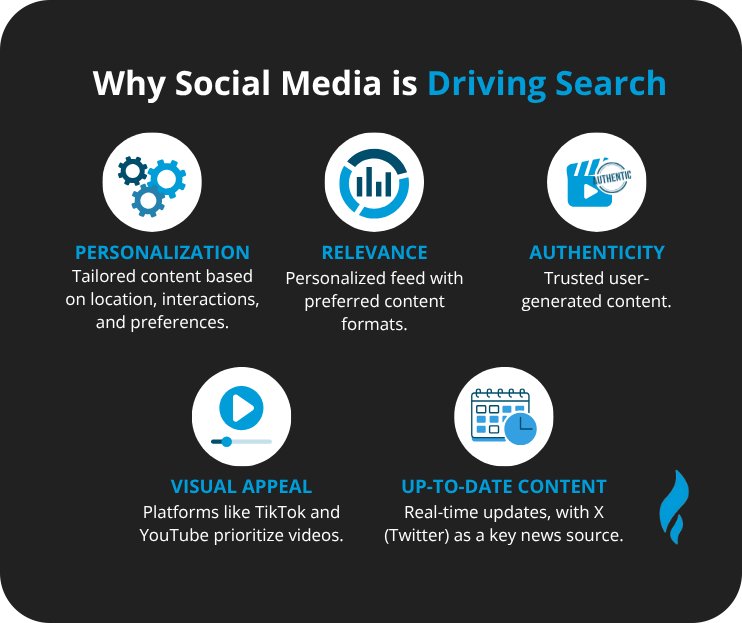
Traditional search engines require more work to be done by the user. The results are often irrelevant, and users have to sift through a lot of irrelevant information to find what they are looking for. But that’s not the only reason.
The rise of social search comes from visually engaging content on platforms like TikTok and Instagram. Gen Z consumes most content of social media, and it’s hard to capture their attention. But short-form content like Reels works well to get their attention.
Because short videos provide quick, engaging answers and hook the audience from the get-go. The user-generated content on TikTok feels more authentic than ads or optimized sites on traditional search engines.
For example, if someone is looking for hotels or restaurants, short user-generated videos showing real experiences work well. This type of content is ideal at the top of the funnel, helping users explore options and compare them before they visit your website to purchase.
Social media also provides a sense of community and real conversations. Audience wants honest opinions from real users, not sales pitches and ads. This transparency builds trust and allows for two-way interactions, making social search more appealing.
Consumers use social media search bars to find brands, products, services, and topics that interest them. Your customers can use social media search bars to search for specific terms, hashtags based on their interests.
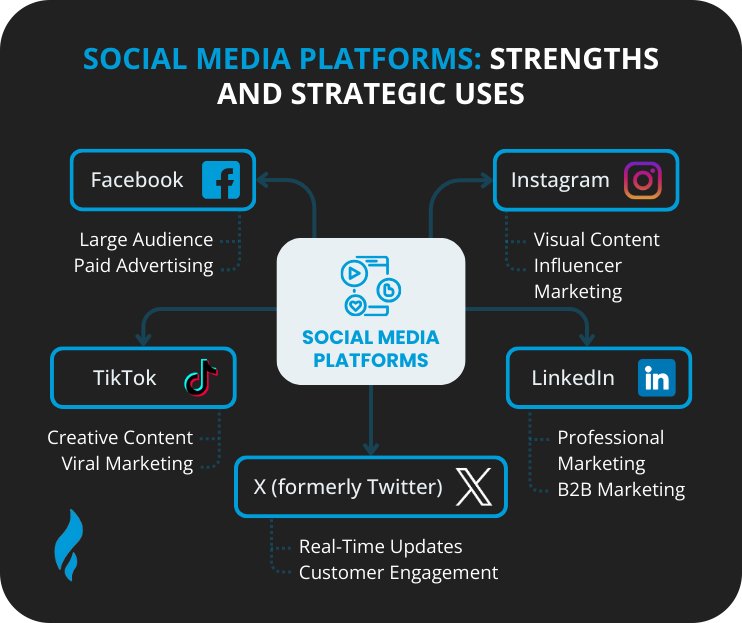
But each platform delivers content differently, so people use them in different ways. Here’s how consumers are using each platform as a search engine:
TikTok
TikTok is taking traffic from Google by providing fast and convenient answers to search queries from users. The younger audience doesn’t say Google it! Most of them say Just TikTok it.
TikTok includes both branded and user-generated content. When you search for something like “best restaurants in Atlanta,” it suggests related popular queries. The best part is that you don’t just get content.
You get results from TikTok Shop as well, where you can make purchases in as little as 10 seconds. TikTok combines features from multiple platforms in one place.
The best thing about TikTok is that it has Google-like search, an Amazon-style shopping experience, Instagram-style inspiration, Facebook-like communities, and LinkedIn-style learning. This is why it is more convenient for users.
People use Instagram to search for new products, services, and creators. You can use hashtags to help users discover trending topics and relate to your posts. The Explore page shows personalized suggestions based on what you view and engage with.
For example, if you’re looking for makeup ideas, you’ll find creators who focus on that topic, making it easy to get inspired and connect with businesses. This content comes from real users, which adds trust.
Youtube
YouTube is a top choice for video searches. Online audience uses it to find tutorials, reviews, podcasts, and entertainment. YouTube is a go-to platform for anyone looking for useful or engaging video content.
The platform is ideal for people who prefer watching over reading. It supports longer videos, making it a top choice for in-depth tutorials and visual guides. YouTube also introduced Shorts to compete with TikTok.
But users require more scrolling and searching on YouTube, making it less convenient than TikTok. Still, people who aren’t familiar with TikTok turn to YouTube for visual content as their top choice.
Pinterest is a visual search tool where you can find ideas through images and pins. You can search by keyword or explore boards on topics like fashion, home decor, or DIY. Users prefer the platforms because they make it easy to save and revisit inspiration. But it is more popular among millennials.
Facebook & X (Twitter)
Millennials use Facebook to find pages and niche groups and search for topics, businesses, or people that interest them.
X (Twitter) works as a real-time search engine for trending news and discussions. You can use hashtags, keywords, or accounts to find relevant tweets and join conversations. The conversational style of X (Twitter) sets it apart.
Here are some benefits of using social media for search:
Dynamic content
You can find diverse content from brands, influencers, and celebrities on social media. Users follow accounts you trust for a more authentic search experience. For example, GoPro uses TikTok to feature both professional and real customers using their gear in action.
Social Proof
You can use social media to provide real experiences that build trust and provide value. People care more about authenticity and relatability than product-focused content. This helps them find and follow brands that feel genuine.
Personalized Search
You can find reviews, recommendations, and personalized buying options on social media. These platforms track past activity and preferences to show relevant results and improve the search experience of the users.
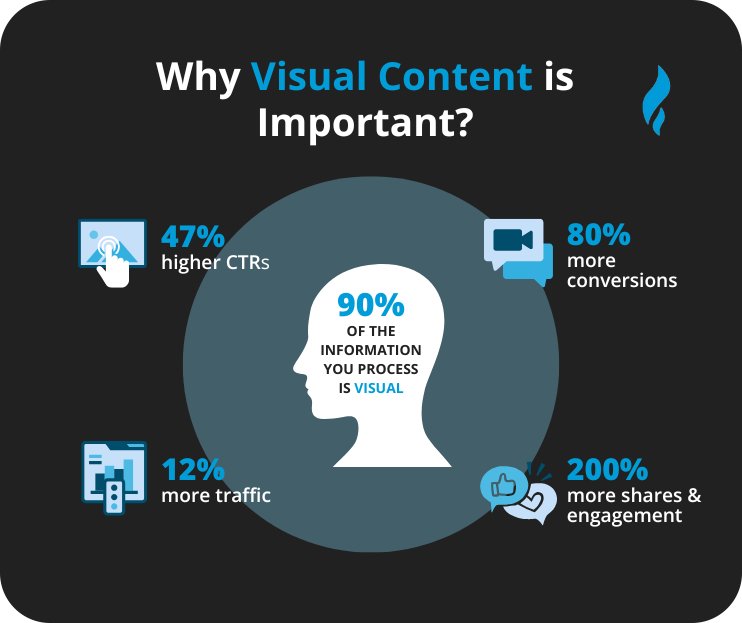
Visual Appeal
You can create a visual appeal on social media to increase engagement using images and videos. This makes searching more visual and interactive.
Social media search is a new way for your brand to connect with customers. Here’s why it matters for your marketing strategies:
1. SEO For Social Media
You have to optimize content for social media search just like with traditional search engines to make it easy for users to find your content. Here is what you need to update:
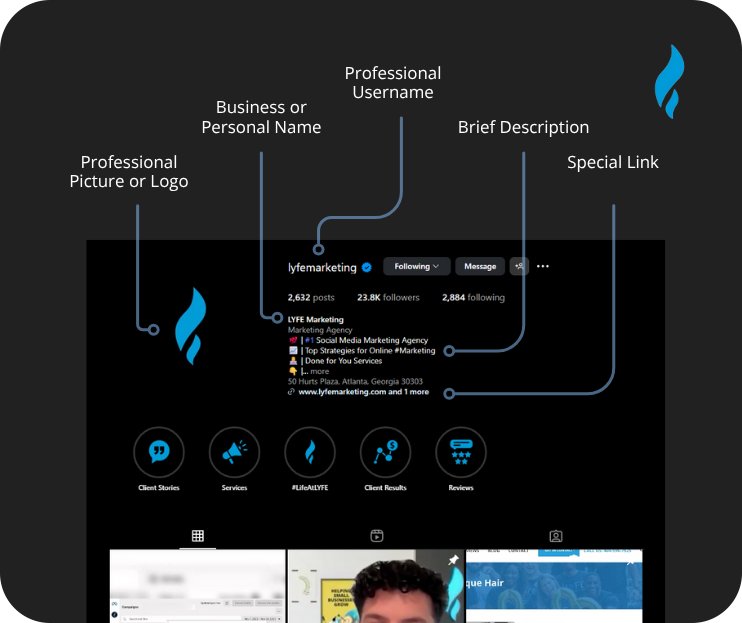
- Use a handle that matches your brand name and add a link to your website.
- Add relevant keywords in your posts and product descriptions to increase your visibility.
- Use a clear and relevant alt text in your images so they show up in social searches.
- You should use hashtags to increase social media engagement, but they work differently on each platform, so make sure you’re following social media best practices on each platform.
2. Brand Insights
You should know what your users want and search for on social media. This information can help you create effective social media campaigns. You can use social listening tools to track search queries to understand what your audience wants.
You can also track your brand mentions and get an understanding of how your audience perceives your brand.
3. Content Creation
You need to create informational and helpful content that provides actual value to your audience. Make sure you create content that actually resonates with your audience. You don’t have to promote sales pitches highlighting how your product or service makes the life of your customers easy or address their pain points.
4. Engagement And Analytics
You can join conversations and niche communities to answer questions quickly and build customer trust. Use analytics to understand search behavior and join conversations effectively, and not provide real value.
If you add something just for the sake of showing up, it will negatively impact your social media presence. Also, be direct and don’t add fluff.
5. Competitor Analysis
Use a social media audit to track your social media presence and also competitors to understand the bigger picture and understand where you stand in the competition. This will help you spot growth opportunities and shortcomings.
6. Track Market And Consumer Trends
Social listening insights keep you informed on the latest news, trends, and updates. You can use these tools to avoid social media fails for your business.
But the best part is that you can target your audience based on demographics and interests to increase your social media ROI. You can also get close to your goals by only targeting users who are genuinely interested in your business.

You have to optimize your social media profiles and content to increase your visibility and drive social media traffic. Also, post the right content on the right platform.
But you should avoid posting the same content across all platforms because each one has a different audience. You can repurpose your content to save time and effort.
Here are a few tips to strengthen your social strategy with social media optimization.
Profile Information
- Use simple handles and brand names.
- Add your website link and links to your other social platforms.
- Include clear CTA and contact information.
Keywords
- Use keywords in your captions and text overlays to improve visibility.
Alt Text
- Write clear, relevant descriptions for images to improve accessibility and social SEO.
- Instagram auto-generates alt text, but adding your own helps your content perform better because you know which keyword you want to target.
Hashtags
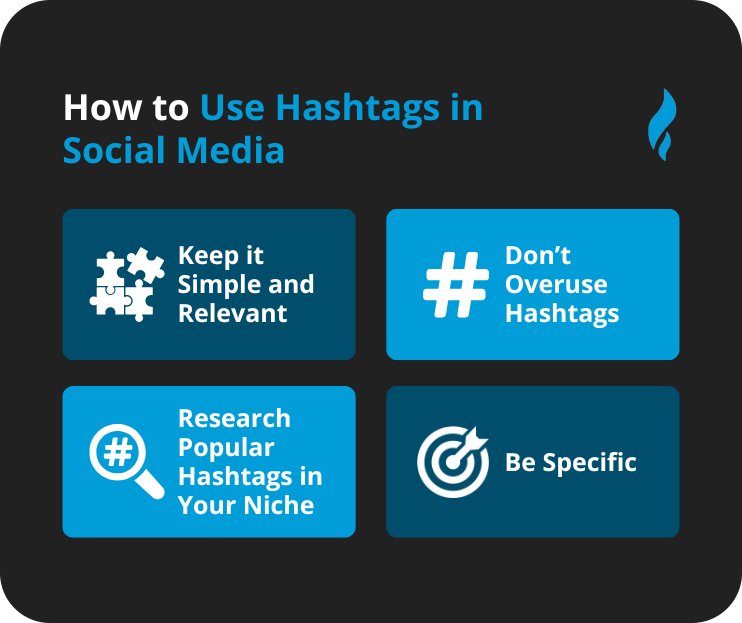
- Use 2–6 relevant, niche hashtags in your captions to boost your reach. But avoid overloading your posts with too many.
You can follow this for the best results
| Platform | TikTok | X (Twitter) | |||
|---|---|---|---|---|---|
| Ideal Caption Length | 40-80 characters | 100-125 characters | Under 100 characters | 150-300 characters | 71-100 characters |
| Post frequency | 2 per day | 3-5 per week | Up to 4 per day | Up to 5 per day | 2 per day |
| Hashtags | Max. 2 | 3-5 | 2-3 | Max. 2 | Max. 2 |
Conclusion
Social media search engines are very similar to traditional search engines like Google, Bing, and Yahoo. But there are some key differences too.
If you need more help giving your social media content the visibility it deserves, then let us lend a hand! Get a free quote today or check out our comprehensive social media management packages!
What is the best social media search engine?
TikTok is the best social media search engine because it provides real-time, trending content. The platform is ideal for discovering products, reviews, and user experiences.
What are social media search engines?
Social media search engines are tools or platform features that help users find posts, profiles, hashtags, and trends. They work with social platforms like TikTok, Instagram, and LinkedIn to surface relevant content.
How to find hidden social medias?
You can find hidden social medias using Reverse Image Search or by checking for similar usernames on other social sites.
What is the top 10 social media platform?
The top 10 social media platforms include Facebook, Instagram, TikTok, YouTube, LinkedIn, X (Twitter), Snapchat, Pinterest, WhatsApp, and WeChat.

