B2B Marketing Agency
Drive Qualified Leads & Higher Revenue

The #1 B2B Marketing Agency for Small Businesses Looking To Scale Exponentially
Are you ready to start seeing real leads and increased revenue from your marketing efforts? B2B companies require a totally different marketing approach than B2C marketing companies. A one-size-fits-all marketing strategy doesn’t work for B2B companies. This is why so many B2B entrepreneurs specifically seek out top marketing companies.
We at LYFE Marketing have more than a decade of delivering real results for B2B marketing companies. We get results like over 3 million leads and counting for our clients and over $87,000,000+ in sales.
The secret? We are a B2B marketing consulting agency ourselves. We implement the same strategies for our B2B clients that we’ve used to build our business from the ground up.
These marketing strategies helped us win the INC. 5000 award 3 years in a row, get featured on CNBC’s The Profit, and become a multi-million dollar digital marketing agency.
So if you’re ready to get started with result-driven services that actually bring a profitable return, schedule a call with our marketing consulting agency. We will get you a free, custom proposal drafted for your business.
Skyrocket Leads & Revenue with
Our B2B Marketing Services
Our B2B Marketing Services
In all of our services, our team audits your existing efforts be it your social media presence, PPC ads, content marketing, etc. We then craft a custom strategy based on your branding, values, goals, and resources.
We also implement that strategy from top to bottom, so you can be as hands-on or as hands-off as you want to be. Your goals are our goals, and we know how to hit them.
Let’s figure out which service(s) sound like the best fit for what you’re looking for:
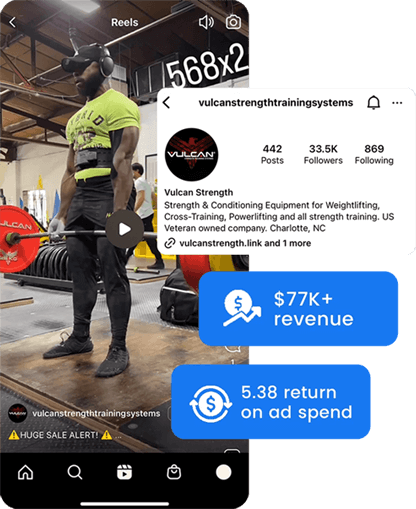
Social Media Management
TOP BENEFITS OF SOCIAL MEDIA MANAGEMENT FOR B2B COMPANIES
Fuel the top of your marketing funnel:
- New Followers
- Engaged Followers
- Videos Views
- Direct Messages
The goal of social media management is to build a community of engaged followers who are more likely to convert into leads. These leads convert into clients or sales the longer you nurture them in your sales funnel.
This service is an organic social media approach. Social media management for B2B allows you to focus on your branding and content. This way you establish yourself as the authority in your industry.
Social Media Advertising
TOP BENEFITS OF SOCIAL MEDIA ADVERTISING FOR B2B COMPANIES
Fuel the top, middle and bottom of your marketing funnel:
- Engagement
- Traffic
- Leads
- Sales
The goal of social media advertising is to put specific ads in front of different segments of your target audience. This service is a paid social media approach to covert sales. You can use ads to support any stage of your marketing funnel. They work for targeting a new, cold audience or retargeting a warm audience that needs a final push to become a client.
PPC Advertising
TOP BENEFITS OF PAY-PER CLICK ADVERTISING FOR B2B COMPANIES
Fuel the top, middle and bottom of your marketing funnel:
- New Website Traffic
- Retargeted Website Traffic
- Leads
- Sales
The goal of PPC advertising is to ensure your website shows up in Google search results when people look for your product or service. These ads can attract new traffic to your site or re-engage warm traffic who haven’t converted yet.
Email Marketing
TOP BENEFITS OF EMAIL MARKETING FOR B2B COMPANIES
Nurture the top, middle and bottom of your marketing funnel:
- Engaged leads
- Engaged clients
- Clear communication
The goal of email marketing is to convert leads to clients and keep a positive relationship with existing clients. Email marketing for B2B can be used for everything from logistic emails like a “scheduled call confirmation” email to strategic emails to send valuable content that builds trust and encourages subscribers to buy from you.
Short Video Management
TOP BENEFITS OF SHORT VIDEO MANAGEMENT FOR B2B COMPANIES
Fuel the top of your marketing funnel:
- New Followers
- Engaged Followers
- Videos Views
- Direct Messages
The goal of short video management is to use the #1 medium on social media right now—short videos. These videos help create a community of followers who find value in what you offer.
Your content will position you as the superior brand in your industry when potential leads need or want your product or service. Our social media management packages include this service!
Short Video Advertising
TOP BENEFITS OF SHORT VIDEO ADVERTISING FOR B2B COMPANIES
Fuel the top, middle and bottom of your marketing funnel:
- Video Views
- Engaged Followers
- Traffic
- Sales
- Leads
The goal of short video advertising is to drive engagement, leads, and sales by placing your brand in front of thousands of targeted viewers. The #1 medium on social media right now is short videos.
It includes TikToks, YouTube Shorts, Facebook Reels, and Instagram Reels. This service is included in our social media advertising packages!
Choosing The Right B2B Marketing Agency
Selecting B2B marketing companies can be a game-changer for your business. Here’s how to find the perfect fit:
1
Identify Your Needs
Define your goals and the services you require. Be it lead generation, content marketing, or paid ads, knowing your priorities will help narrow the list of potential B2B marketing companies.
2
Set a Budget
Determine how much you’re willing to spend. B2B agencies offer various pricing models, such as hourly rates, project-based fees, or retainer contracts.
3
Research Their Experience
Look for agencies with experience in your industry. Check their portfolio, case studies, and client testimonials to see if they’ve delivered results for businesses like yours.
4
Assess Their Strategy
Ask about their approach to building campaigns. Do they customize strategies for your business? Make sure they use data-driven insights and modern tools like CRM integration and analytics.
5
Evaluate Communication
Strong communication is key. Discuss how often they’ll provide updates, share reports, and collaborate on strategies. A responsive agency ensures smooth teamwork.
Our B2B Marketing Agency Pricing
How much does B2B marketing cost? On average, B2B marketing costs anywhere from $650-$10,000 a month or more. Our B2B marketing pricing reflects a range to encompass the small business owner’s budget. Schedule a call with us to get a custom quote based on your needs and budget!
| SERVICES | GOOD PLAN | BETTER PLAN | BEST PLAN |
|---|---|---|---|
| SOCIAL MEDIA MANAGEMENT PRICING |
|
|
|
| SOCIAL MEDIA ADVERTISING PRICING |
|
|
|
| PPC MANAGEMENT PRICING |
|
|
|
| EMAIL MARKETING PRICING |
|
|
|
| SHORT VIDEO MANAGEMENT PRICING |
|
|
|
| SHORT VIDEO ADVERTISING PRICING |
|
|
|
A Few of Our Happy B2B Clients



Understanding B2B Marketing Agencies
A B2B marketing agency is a business that takes care of all of your B2B marketing needs from social media management to email marketing to Google advertising and everything in between.
A B2B marketing agency specializes in advertising B2B companies. LYFE Marketing is a B2B company itself, so we know firsthand what it takes to market your B2B business successfully!
B2B marketing companies exist to help B2B companies grow. We use the marketing channels that make the most sense given your niche and target market to generate targeted leads and sales.
Some common strategies top marketing agencies use include:
- Social media marketing: Leveraging platforms like Facebook, LinkedIn, and Instagram to connect with your target audience and share relevant content.
- PPC advertising: Driving qualified website traffic by creating paid search ads that appear when leads search for specific keywords on Google.
- Email marketing: Developing targeted campaigns to nurture leads and keep existing clients engaged.
- Content marketing: Creating and distributing valuable content that resonates with the target audience. Content marketing includes blog posts, whitepapers, and case studies.
- Search engine optimization (SEO): Ensuring your business website ranks high in search engine results for relevant keywords. This is a long-term strategy compared to PPC and uses organic practices (not paid ads).
It is also important to note that B2B marketing agencies typically work with a range of clients, spanning different industries and sectors. This breadth of experience allows them to bring unique, actionable insights and expertise to your business.
As mentioned earlier, B2B marketing is extremely different compared to B2C, and therefore the two require different marketing strategies. Understanding these differences can help you understand how B2B marketing agencies create tailored strategies for your specific needs.
- Decision-making process: B2B purchasing decisions usually involve multiple stakeholders and a longer sales cycle. B2B top marketing companies focus on addressing the needs of each decision-maker. They provide them with the necessary information to make an informed choice.
- Relationship-building: In B2B markets, building and maintaining long-term relationships with clients is essential. A B2B digital marketing agency creates strategies that strengthen these relationships, such as personalized content and consistent communication.
- Buyer persona: B2C marketing companies often target a broad audience, while B2B marketing focuses on niche markets or specific industries. Plus, B2B buyers tend to conduct extensive independent research, making them more knowledgeable than the average B2C consumer. As a result, top marketing agencies create detailed buyer personas to tailor their marketing efforts to the needs and preferences of your target audience.
By understanding B2B marketing, you can better use the expertise of top marketing companies to grow your business and achieve your goals.
Developing a B2B Marketing Strategy
B2B Market Research and Insights
To develop an effective B2B marketing strategy, we conduct thorough market research. This involves gathering and analyzing data about your industry, competition, and customer preferences.
By doing so, we’ll gain valuable insights into market trends, potential growth areas, and unique selling propositions that can set your business apart from competitors. These insights allow us to stay up-to-date with industry trends and changes to make informed decisions for your brand.
Identifying Your Target Audience and Decision-Makers
Once we have a deeper understanding of the market, we’ll identify your target audience and the decision-makers within it. B2B buying journeys are often more complex than B2C, involving multiple people and a lengthy decision-making process.
Here are 4 steps to create and maintain a successful connection with your target audience:
1
Define your ideal customer profile (ICP):
Consider the industries, company sizes, and specific pain points your product or service addresses. This will help you create a focused and targeted approach.
2
Identify the primary decision-makers:
Understand who has the ultimate decision-making power within your target companies. These may include C-level executives, directors, or managers, depending on the business context.
3
Establish connections with influencers and gatekeepers:
In addition to targeting decision-makers, engage with individuals who have significant influence within the organization. This may include subject matter experts, team leads, or internal champions who can advocate for your solution.
4
Create targeted content:
Leverage your market research and audience insights to develop content that addresses your target audience’s pain points, challenges, and needs.
Remember to remain confident, knowledgeable, and clear in your communication efforts. Consistently adapt your strategy based on market changes and feedback from your target audience. By doing so, you’ll be well on your way to developing a successful B2B marketing strategy.
Getting Your B2B Website Ready For Leads
Website Development and Design
A strong online presence starts with an appealing and user-friendly website. Your website should effectively convey your brand message, engage your audience, and drive conversions. Consider the following guidelines for a well-designed website:

Design
Focus on a clean, modern, and visually appealing layout representing your brand identity. Most people scan websites for key information, so make sure the important parts are clear, engaging, and easy to read.

Functionality
Ensure your website is responsive, accessible across different devices, and easy to navigate with site testing. Use clear calls-to-action (CTAs) to guide users.

Loading time
Optimize your site’s loading time by compressing images and using optimal caching techniques.
Search Engine Optimization (SEO)
To increase your website’s visibility, invest in SEO strategies that cater to B2B clientele. This will help your website to appear at the top of the Google search results for relevant keywords. The following steps can improve your search engine ranking:

Keyword research
Identify relevant keywords and phrases that people usually search for when they need your products and services. Incorporate these terms into your website content and meta tags.

On-page optimization
Use descriptive titles, headings, and meta descriptions that include those target keywords.

Backlinks
Get authoritative backlinks from reputable websites and industry influencers to boost credibility and generate organic traffic.
Content Marketing and Blogging
Having a solid content marketing strategy can help you attract and retain B2B customers. Blogging regularly shows your expertise and provides value to your audience. Here are some tips for creating high-quality content:

Relevant topics
Research your target audience and identify their pain points in content marketing. Write articles that address those issues and give solutions.

Content formats
Incorporate different content formats such as infographics, videos, case studies, and podcasts to cater to varied preferences.

Consistency
Maintain a consistent publishing schedule to build trust and maintain your audience’s interest.

Promotion
Share your content across various social media platforms, in email newsletters, and through partnerships to amplify its reach.
Implementing these content marketing strategies will help establish your website among the top marketing agencies and attract potential clients.
B2B Lead Generation Tactics For
Exponential Growth
Exponential Growth
Inbound Marketing and SEO
An effective inbound marketing approach is essential for capturing high-quality leads at an affordable rate. By providing valuable content through B2B blog articles, whitepapers, or e-books, you can attract prospective clients to your website. To ensure your content is visible to potential leads, you must optimize it for SEO.
This method includes using relevant keywords, quality backlinks, and a user-friendly website structure. You can increase your organic traffic and turn visitors into potential clients using this inbound and SEO strategy.
Email Marketing Campaigns
Another essential tool for B2B leads is email marketing. It doesn’t generate leads on its own. Instead, it nurtures leads captured from social media or Google until they become clients or customers. By creating targeted and personalized email campaigns, you nurture your prospects and guide them through the sales funnel. To optimize your B2B email marketing efforts, make sure to:
- Segment your audience based on criteria like industry, company size and level of interest.
- Craft an engaging subject line that encourages recipients to open the email.
- Personalize your emails, addressing users by their name or referencing their interests.
- Monitor your email performance and adjust campaigns as needed.
Account-Based Marketing
Account-Based Marketing (ABM) is a powerful B2B lead generation strategy that targets a group of high-value accounts. This personalized approach helps you create tailored content and messaging, building stronger relationships and enabling faster conversions.
To implement a successful ABM strategy, follow these steps:
- Identify your high-priority accounts through criteria like company size, industry, and revenue potential.
- Collect insights on the key decision-makers within these top marketing companies.
- Collaborate with your sales and marketing teams to create customized content and messaging specifically for these target accounts.
- Execute multi-channel, dynamic campaigns to engage with your target audience.
- Track and measure your ABM efforts to refine your strategy continuously.
If you choose the right firm, your B2B digital marketing agency will find valuable accounts in their initial research.
Leveraging A Social Media Strategy
for B2B Marketing Companies
for B2B Marketing Companies

Picking the Right Channel
In the B2B landscape, many people automatically think of LinkedIn when deciding on the right social strategy. Sharing engaging content and showcasing thought leadership can strengthen your brand’s online presence.
You can also attract potential customers with specific job titles by joining relevant discussions on LinkedIn. Facebook (and Instagram) has ten times the number of decision-makers on LinkedIn.
Instead of choosing a social media platform based on stereotypes or assumptions, we recommend looking at the numbers. Where does your audience spend most of their time?
If it’s on LinkedIn, great! If it’s on Facebook, great! If it’s on TikTok, great! The key is to invest your time in the platform that will deliver the best results for your business.
No matter which platform you choose, here are some tips to help elevate your B2B marketing efforts on social media:
- Create a compelling company/profile page: Your social media page is the face of your brand on that platform. Make sure it’s up-to-date and accurately represents your brand with a clear logo, description/bio, and links to your website.
- Post engaging content: SShare valuable content that resonates with your target audience, like how-to guides, case studies, and industry news. Whether you’re posting text, carousel images, or videos, format your content to make it skim-able and appealing.
- Use all the latest features: Every social media platform has its own set of features unique to that platform, such as Replying to a tweet or posting a poll in your Instagram caption etc. Every algorithm on every social media platform is going to favor content that is using its newest feature. This gives your extra organic awareness reach.
B2B Influencer Marketing Strategies
Influencer marketing is a fresh approach to boost brand awareness that you probably wouldn’t expect to be as successful as it is in the B2B world. Partnering with key industry influencers can help you reach a wider audience and lend credibility to your brand. Here are a few strategies to consider for B2B influencer marketing:
- Identify the right influencers: Look for influencers with a professional background and substantial following in your industry. They should share content that aligns with your brand’s values and target audience but does not compete with your services.
- Collaborate on content: Develop content together with the influencers, such as webinars, articles, or social media posts, that showcases the expertise of both your company and the influencer.
- Email marketing: Developing targeted campaigns to nurture leads and keep existing clients engaged.
- Leverage influencer networks Encourage influencers to share your content with their networks, which can expand your reach and attract more potential customers.
Remember, your B2B social media marketing should focus on providing value, sharing knowledge, and building trust. Keep these factors in mind when implementing your influencer and LinkedIn marketing strategies to successfully use social media for your B2B digital marketing agency.
Measuring and Analyzing B2B
Marketing Performance
Marketing Performance
Measuring ROI & Your Business Goals
In order to run a B2B company successfully, you have to measure and analyze the performance of your marketing efforts to know if they’re working or not. A key aspect to focus on is the return on investment (ROI) and the impact on your sales pipeline. By tracking ROI, you can identify which marketing strategies yield higher returns, allowing for better budget allocation.
It’s not just about the numbers – you also need to understand how your marketing efforts contribute to filling your pipeline with potential customers. Analyze the buyer journey and pinpoint which touchpoints are working well and what areas might need improvement. Here are a few essential metrics that can help you evaluate pipeline impact:
- Lead acquisition cost: How much are you investing to acquire new leads?
- Conversion rate: What percentage of leads turn into actual customers?
- Average deal value: How much revenue is generated per customer acquisition?
By measuring these crucial metrics, you can gain a deeper understanding of the value your marketing strategies bring to your business.
Data-Driven Reports and Testing
The success of B2B online marketing largely depends on making data-driven decisions. It’s helpful to create reports that track key performance indicators (KPIs). Your reports should not only highlight your successes but also help you identify areas of improvement.
Incorporate A/B testing into your marketing efforts to truly understand what works best for your target audience. By testing different versions of your marketing materials, campaigns, and landing pages, you’ll be able to make informed decisions based on real data.
Here’s a list of essential KPIs you should consider tracking in your data-driven reports:
- Website traffic: Evaluate the number of unique visitors and page views to assess the performance of your digital ads.
- Bounce rate: Monitor the percentage of visitors who leave your site after viewing just one page. This may indicate a need to optimize your content, website design, or the audience you’re targeting with your ads.
- Click-through rate (CTR): Measure how effective your marketing content is at driving users to take the desired action, such as clicking on an email or ad.
By incorporating these KPIs and applying data-driven tactics, you’ll find it easier to optimize your marketing strategies and achieve better outcomes in the long run.
If you’re working with the right firm, your B2B marketing agency will likely identify these high-value accounts in their initial market research.
The Role of Technology in B2B Marketing Companies
Technology plays a vital role in streamlining marketing processes and improving overall efficiency. As a result, your marketing strategy will benefit from the effective use of various software tools and platforms. In this section, we will discuss some key technologies that are instrumental in B2B marketing success.
Marketing Automation Tools
Leveraging marketing automation tools is essential for modern B2B marketers. These software platforms automate repetitive tasks, allowing you to focus more on strategizing and less on manual execution. Here are some notable benefits of marketing automation:
- Lead nurturing: Systematically engage with your leads, providing relevant content and offers that guide them through the buyer’s journey.
- Segmentation: Automatically categorize your prospects based on attributes, such as industry, job title, or stage in the buying process.
- Email marketing: Streamline your email campaigns, from personalization to tracking and analytics.
- A/B testing: Conduct experiments to find the most effective marketing tactics for your specific audience.
Some popular marketing automation tools include HubSpot, Marketo, and Pardot (a Salesforce product). A B2B digital marketing agency will already have all of the automated software you need at no added expense to you.
CRM Systems and Sales Enablement
Customer relationship management (CRM) systems are another crucial component in B2B marketing. They help manage your contacts and interactions with potential and current customers. A few advantages of using a CRM system include:
- Centralized data: Keep your customer information up-to-date and easily accessible, ensuring a consistent and personalized experience across all touchpoints.
- Sales forecasting: Monitor various metrics to predict upcoming sales and identify early-warning signs of potential issues.
- Collaborative selling: Improve communication between sales and marketing teams, resulting in better alignment and collaboration on campaigns.
- Sales management: Track sales rep performance, enabling you to support their growth and address roadblocks more effectively.
Using technology, such as marketing automation tools and CRM systems, can greatly enhance your B2B marketing efforts. By investing in the right platforms and technology, you can stay ahead of the curve and improve your sales process.
Creating Compelling B2B Content
Storytelling for B2B Brands
When you want to create engaging B2B content, you have to emphasize storytelling in your B2B content marketing. Storytelling allows you to connect with your audience emotionally, moving beyond traditional feature-centered content marketing. It helps you capture attention and establish relatability with your audience.
Here are some tips on incorporating storytelling in B2B content marketing:

Identify your target audience
Understand their pain points, needs, and preferences. Tailor your stories around them.

Showcase your brand’s personality
Use a unique tone and voice that reflect your brand’s values expertise and most importantly, humanity.

Focus on customer experiences
Share case studies, testimonials, and success stories to highlight how your product or service solves real-world problems.
Video and Podcast Content Opportunities
A vital part of creating compelling B2B content is embracing different formats. Video marketing and podcasting, in particular, offer immense scope to showcase your expertise and engage with your audience. Below are some ideas you can explore:

Video Marketing
- Product demos: Create videos showcasing the practical use of your product or service, highlighting its advantages.
- Webinars: Organize webinars on industry-related topics, connecting with thought leaders and potential clients.
- Company culture: Share behind-the-scenes videos, introducing your team and showcasing your company values.

Podcast
- Industry insights: Launch a podcast series discussing market trends, best practices, and challenges.
- Interviews: Invite industry experts, customers, or even your internal team members for in-depth interviews, sharing knowledge and experiences with your audience.
- Educational content: Offer short, value-packed episodes that deliver actionable advice and tips to help your audience achieve their goals.
Design and Branding for B2B Companies
1
Establishing a B2B Brand Strategy
Creating a strong brand strategy is essential for any B2B business. It sets the foundation for all communications, design, and messaging. To establish an effective B2B brand strategy, you should first understand your target audience and value proposition.
Once you have this information, refine your unique selling proposition (USP). This will set you apart from competitors and highlight your expertise in your niche market. Then, finalize your typography, color palette, and logo design.
- Know your audience: Identify and understand your target market’s needs and preferences.
- Clarify your USP: Clearly articulate your unique selling points.
- Maintain consistency: Ensure brand voice and visual identity remain cohesive across all channels.
2
Designing for Niche Markets
When developing a B2B brand specifically for niche markets, it’s vital to tailor your design and messaging to resonate with their unique needs. By conducting targeted research and implementing audience-specific strategies, you increase your chances of connecting with these specialized customers. Here are key elements to consider when designing for niche markets:
- User Experience (UX): Create a design that centers on the specific requirements of your niche market, considering their preferences and habits.
- Content Marketing: Produce content that demonstrates expertise in your niche, positioning your business as a leader in the industry.
- Search Engine Optimization (SEO): Optimize your website and content with niche-specific keywords to improve your visibility in search engine results.
By addressing these design and branding strategies, you can create a B2B brand that not only captures attention in your market space but also forms a lasting connection with your audience.
B2B Marketing for Industry Verticals
Marketing for Tech and SaaS Companies
When it comes to developing a B2B marketing strategy for tech and SaaS companies, it’s essential to understand your target audience and their specific needs. A successful campaign should include personalized content that highlights the benefits and solutions your product or service provides. Here are key elements to consider when designing for niche markets:
- Content Marketing: Creating valuable content such as blog posts, whitepapers, and case studies will help position your company as a thought leader in your industry and drive organic traffic to your site.
- SEO: Optimize your site for relevant keywords to improve search engine ranking and visibility..
- Email Marketing: Develop targeted email campaigns to nurture leads and educate potential customers on your products or services.
For tech and SaaS companies, advertising in vertical B2B markets can be particularly beneficial, narrowing down your target audience and increasing the chances of reaching relevant decision-makers.
Manufacturing and Healthcare Marketing
In the manufacturing and healthcare sectors, B2B marketing requires a specific approach to engage with professionals and organizations in these highly-regulated industries. Here are some tips:.
- Industry Events: Participate in trade shows and conferences to network with potential clients and partners and post photos and videos from those events on social media. Be sure to then showcase your company’s capabilities and innovative solutions.
- Case Studies: Share success stories and real-life examples of how your product or service has helped organizations in manufacturing or healthcare sectors overcome challenges.
- Webinars: Host informative webinars to offer valuable insights and connect with professionals in your target industry.
Remember to tailor your messaging to cater to the unique needs and pain points of your industry vertical, whether you’re targeting tech and SaaS companies, manufacturing entities, or healthcare organizations. By understanding the specific requirements of these industries, you’ll create effective B2B marketing campaigns that resonate with your target audience and drive results.
B2B Marketing Agency FAQs
How do B2B marketing agencies differ from B2C marketing agencies?
B2B marketing agencies focus on helping businesses sell their products or services to other businesses. In contrast, B2C marketing agencies target individual consumers. B2B marketing often involves longer sales cycles, multiple decision-makers, and a greater emphasis on relationship-building compared to B2C marketing. As a result, top marketing agencies often use different tactics and strategies tailored to the unique challenges of business-to-business marketing.
What services do top B2B marketing agencies commonly offer?
Top B2B marketing agencies typically offer a range of services to support your business’s marketing goals. These services may include:
- Brand strategy and positioning
- Content marketing
- Search engine optimization (SEO)
- Paid advertising and media buying
- Social media marketing
- Influencer marketing
- Email marketing
- Lead generation and nurturing
- Marketing automation and CRM implementation
- Analytics and performance tracking
What are the key factors in choosing a B2B marketing agency for a business?
When choosing a B2B marketing agency, consider the following factors:
- Industry experience: Ensure the agency has experience working with clients in your industry or similar sectors.
- Proven track record: Look for case studies, client testimonials, and success stories that demonstrate a creative agency and their ability to achieve results.
- Services offered: Make sure the agency offers the specific single service or full suite of services your business requires, and assess their depth of expertise in those areas. You’ll want to know that they can successfully execute well upon any service they offer, especially if they offer a diverse range.
- Communication and compatibility: Look for an agency that maintains clear communication, is responsive, and aligns well with your company culture.
- Pricing and transparency: Assess the agency’s pricing structure and transparency to ensure it fits within your budget.
How do B2B marketing strategies impact sales and lead generation?
B2B marketing strategies directly impact sales and lead generation by raising brand awareness, targeting and engaging with the right prospects, and nurturing leads to become sales-ready. Effective B2B marketing helps your business:
- Drive quality traffic to your website or landing pages
- Convert visitors into leads through various tactics, such as providing valuable content or gated resources
- Guide leads through the buyer’s journey, building trust, and overcoming objections
- Generate revenue by converting leads into paying customers.
Can you list the criteria for evaluating the effectiveness of a B2B marketing campaign?
To evaluate the effectiveness of a B2B marketing campaign, track and analyze the following metrics:
- Website traffic: Increased traffic to your website, landing pages, or content from targeted campaigns
- Engagement metrics: Measure factors such as time on page, scroll depth, and bounce rate to assess content relevance and quality of that traffic
- Lead generation: Track the number of leads generated, the conversion rate of visitors to leads, and the cost per lead
- Sales metrics: Assess the impact of your marketing efforts on revenue, deal size, and sales cycle length
- Return on investment (ROI): Calculate the financial gain from your marketing efforts relative to the cost of the campaign.
What are the emerging trends in B2B digital marketing agency services?
Emerging trends in B2B digital marketing agency services include:
- Account-based marketing (ABM): Focusing on high-value target accounts, tailoring marketing efforts to create personalized experiences for key decision-makers
- Influencer marketing: Leveraging industry influencers to amplify your message, build trust, and reach a wider audience
- Video marketing: Utilizing video content for storytelling, lead generation, and thought leadership to engage audiences more effectively
- Artificial intelligence (AI) and marketing automation: Utilizing AI-driven tools and marketing automation platforms to analyze data, optimize campaigns, and personalize communication
- Intent-data-driven marketing: Leveraging intent data to understand and target prospects who show a strong interest in your product or service, improving the effectiveness of marketing efforts.
What is a B2B sales agency?
A B2B sales agency is essentially the same as a B2B marketing agency. We help generate leads and sales for your business and establish your B2B company as the superior brand and one of the top industry leaders in your market.
What are the 4 types of B2B marketing?
The 4 types of B2B marketing are inbound, outbound, account-based, and social media marketing.
What is a B2B marketing role?
A B2B marketing role involves marketing agencies promoting products or services to other businesses, driving leads, building relationships, and getting sales.
What is B2B telemarketing company?
A B2B telemarketing company specializes in making calls to businesses to generate leads, schedule appointments, or promote services.