



Buying and selling are social actions. You often rely on social media and online reviews before making a decision, even for small purchases. Other people’s opinions influence what you choose, whether you realize it or not.
Sales no longer rely on in-person meetings. Today, they happen fast through online marketing channels. Social selling helps you connect with buyers directly on social media. Here’s how it works.
Social selling is an online marketing tactic to find leads on social media by directly engaging with potential buyers.
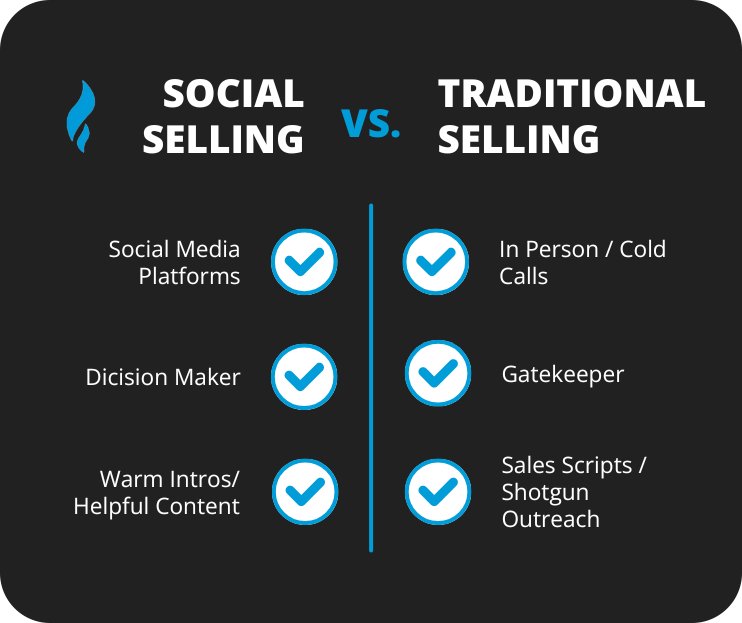
For example, a social media expert, while browsing on LinkedIn, finds a small business owner looking for help with social media marketing.
He replies with helpful social marketing tips, and the business owner finds it interesting, looks at his profile, and adds him to the list of potential experts to hire.
A week later, when the expert follows up, the business owner remembers him and books a meeting.
Social selling isn’t about quick wins. It’s about using social media to connect with new prospects and build lasting business relationships.
Social selling isn’t about a quick, one-time sale. It’s about using social media to connect with your target audience and potential prospects to build long-term business relationships.
Social selling matters because it drives real results. The importance of social media in business is that 78% of businesses outperform those that don’t use social media. Brands have a 51% higher chance of hitting their quotas and goals using social media for business.
You can connect with your customers using social media platforms like Facebook, Instagram, TikTok, X (Twitter), and LinkedIn.
LYFE Marketing has helped small businesses generate over $304 million in revenue using social media, and as social commerce grows, the importance of social selling will increase.
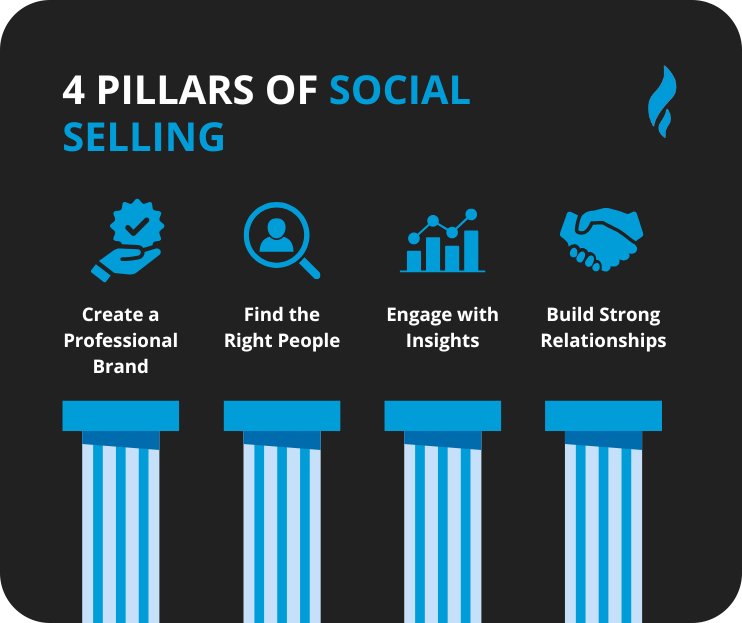
Social selling has four components that support each other and create a strong base for successful social media campaigns. Here is a breakdown of each social selling pillar:
1. Building Your Brand
You have to set up a professional brand account on social media platforms. This will help you run paid ads, track social media KPIs, results, and share posts that highlight your expertise and brand value.
You have to research your audience before creating an account. If your target audience is not using that platform, don’t focus on that. For example, B2B companies can find their audience on LinkedIn but will struggle on TikTok.
A social media audit can help you fully understand your audience and the potential of the platform for your business. You should also study your competitors to understand what your audience likes and wants to see.
Always use a business account for your brand to unlock additional features and analytics that can help you track advertising campaigns, KPIs, goals, and more.
For example, if you’re using a personal account from your brand on Instagram, you cannot index it on Google. Instagram Google Search is available for professional accounts (business and creator profiles) only.
2. Finding Your Buyers
You need to define your ideal customer or target audience and identify the social media platforms they use the most. Again, if you’re not sure about where to start, you can do competitor analysis to get started.
To keep things simple, use the social media platforms your competitors are using. You can later prioritize the one that generates the most social media ROI for your business.
You should use social media trends and content that resonates with your target audience for the best results.
3. Sharing Helpful Insights
You don’t have to market and promote your products or services all the time. Share helpful content, blogs, and industry insights that your audience cares about. You also have to participate in community discussions and provide actual value.
Never post a comment just to show up because it will have a negative impact. Only post when you can provide actual value to the conversation. This will avoid any social media fails for the brand.
4. Building Strong Relationships
You should not use direct sales pitches on social media. The best way for social selling is to highlight how your product or service solves the pain points of your target audience.
You have to keep your conversations with prospects genuine and build one-on-one relationships even when not selling. Best brands on social media always engage with their audience to stay on top of their mind all the time.
Your customers are likely seeing ads and sales messages from competitors on social media. On average, a social media user gets around 5000 ads, so you have to stand out from the crowd when using social media for marketing.
Here are some tips that will help you engage your audience and create successful social media campaigns:
Stay Active On Social Media
Social media can help you sell, but only if you use it consistently. If you haven’t been active on social media, it’s time to get back online because that is the only answer to the question of how to increase sales on social media.
Here are some tips to stay active on social media:
Update Your Social Profiles:
You have to update your social media profile and add a clear CTA and keywords related to your business and industry. Social media optimization tips will help you increase your brand visibility.

Join Niche Communities And Groups:
You should join niche communities and social media groups to find an audience that is highly engaged and relevant to your business. This will help you understand the needs and wants of your audience and also build brand trust.
Post Regularly:
Post regularly to stay visible and top of mind with your audience. You can use a social media content calendar and the best social media schedulers to automate your posting.
Share Helpful Content:
You should share helpful content to increase social media engagement, show your expertise, and attract potential customers.
Comment And Engage Your Audience:
You should also reply to comments to show you actually care about your audience. But make sure you’re using social media best practices to avoid any backlash.
Stay Vigilant On Social Media
You have to improve your social media presence, but that requires you to track social data, competitors, and monitor your brand reputation. Here is how you can keep up:
Track Industry Insights:
Follow customers, competitors, and industry leaders to stay updated on trends, competitors, and what your target audience cares about.
Monitor Your Conversations:
You should monitor your comments and conversations to address any issues your audience has and address them before they get out of hand.
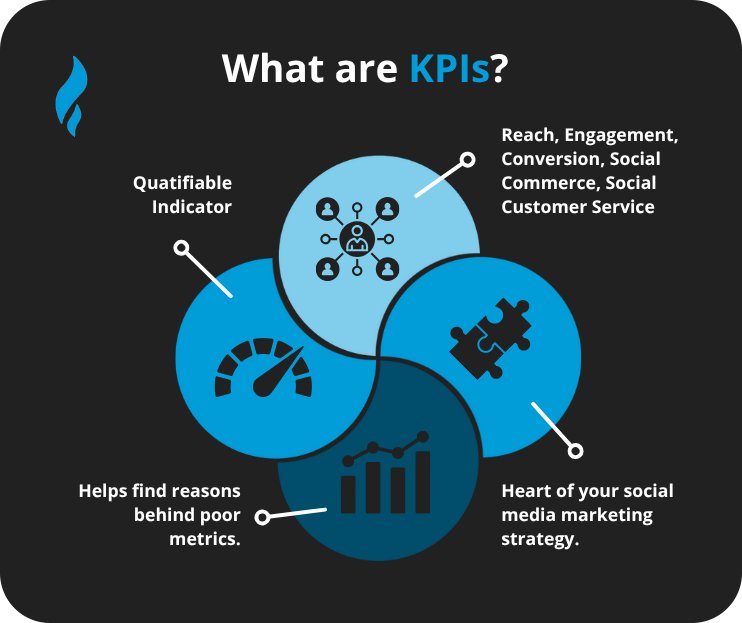
Track Social KPIs
Track impressions and engagements to measure your sales impact and improve your strategies to achieve your social media goals.
Use Social Listening Tools:
You can use social listening tools to track the audinece sentiment, your brand mentions, and industry keywords. This will help you spot growth opportunities.
You have different features on social selling, but all aim to help you engage on social media and generate leads. You can find analytics to track impressions, engagement, and shares. They also help you find the best time to post on social media.
Here is how these tools can help you out:
Social Listening Tools
Social listening means tracking online conversations to see what people say about your brand, product, or services. You can track specific keywords, trends, spot customer issues, and understand how people see your brand.
Use these insights to create relevant content that will align with your audience.
For example, a cloning brand can use a listening tool to track their brand mentions and look for negative comments, collect feedback, and address them.
Social Media Prospecting Tools
You can use these tools to segment your audience and target them by their job title, industry, and other demographics. This will help you find ideal customer profiles and target them with personalized messages to increase your chances of selling on social media.
For example, you can use LinkedIn to find an expert digital marketing agency that has experience in social media advertising and has 50–100 employees. You can also use filters to narrow your results and send messages to top social media agencies that fulfill your requirements.
A social media platform is a digital space where the audience can share ideas, ask questions, and build communities. You can use forums like Reddit and Quora to find what your audience is discussing.
Here are some social media advertising platforms you can use for social selling:
Facebook And Facebook Shop
You can use Facebook Shop to sell directly on Facebook. Users can directly browse and buy products using that platform. The best part is that you can use different formats to promote your products. You also have the option to share them in posts or save products to buy later.
Instagram And Instagram Shop
Facebook and Instagram are owned by Meta and provide connected platforms. Instagram Shop links directly to Facebook Shop, and you can use it to promote your products and partner with influencers and creators for user-generated content.
TikTok And TikTok Shop
You can use TikTok Shop to sell products directly on the TikTok app. You can upload your products and promote them using Reels and livestreams that make the shopping process seamless and an engaging experience.
Also partner with influencers to create viral content and use TikTok hooks to increase sales and your brand engagement.
Learn more about: How to sell on TikTok Shop.
Snapchat
Snapchat is probably the most social and least salesy platform where you can sell on social media. Because of that, it’s also the place where your ads can look less like ads and more like regular snaps. This can work to your advantage.
As a video-based platform, creating ads for selling on Snapchat can be a little more difficult, but worth the promotion it gets you. Although you cannot directly sell within the all mobile Snapchat app.
You can link to your site where users can make purchases, place orders, register for events, and more!
LinkedIn And LinkedIn Navigator
LinkedIn is the top platform for B2B online marketing and sales. You will find employees discussing work challenges, their achievements, and industry insights on the platform.
You can use LinkedIn Navigator to find your ideal customer persona and send them personalized direct InMail messages.
If you’re active on Pinterest, or also known as an avid pinner, then you know that Pinterest has its own social media lingo. Which also means it has its own way of social selling.
Previously, when users, or pinners, saw items on Pinterest that they wanted to purchase. They had to go on a scavenger hunt to find the product – sometimes with no such luck finding it. Pinterest solved this problem, and businesses cheered!
You should use the engage, connect, and share approach to interact with prospects for selling on social media. Here is a breakdown of how you can engage prospects and close more sales:
1. Listen To Your Audience To Identify Sales Opportunities
Your customers and prospects share their opinions and feelings on social media; they’re telling you what they want and need, but you have to listen. Look into comments, likes, and niche communities to see what resonates with your audience.
You can use social listening to spot customer pain points and questions and provide clear solutions. You can also use your existing network before reaching out to a lead.
2. Build Relationships
Your social interactions should be intentional to build relationships. Your followers are real people and potential leads, but you will lose them if you directly promote your brand with a sales pitch.
Because your audience is not always looking for products or services on social media. You shouldn’t use generic or automated comments.
32% of your audience will unfollow you if you don’t engage properly. Poor communication will drive them away and never come back to buy from your brand.
You have to make your brand feel relatable and human. Use a clear brand voice, engage quickly and consistently. Also, share and comment on helpful industry content to grow your network.
Your brand should focus on personal connections when engaging social leads:
- Mention mutual connections.
- Refer to the content you both liked or shared.
- Point out shared interests.
- Interact with their posts.
- Offer help, even if it’s not about your product.
- Join niche groups and share useful insights.
3. Provide Real Value With Helpful Content
Avoid direct sales pitches on social media. 34% of the audience unfollows brands that push sales too much. You should show your prospects that you’re there to provide real help, not just make a sale.
You can stand out with educational and inspiring content to build a trusted voice in your field. In fact, 56% of social media audience prefer businesses that share helpful views in their area of expertise. You have to keep things simple and help others.
The more places you are, the more exposure your brand will have. It’s that simple. Look at the websites that receive a lot of traffic. They probably have extensive menus with a lot of pages, hundreds of blog posts, and products.
That’s because the more options you offer to consumers, the more consumers you will attract.
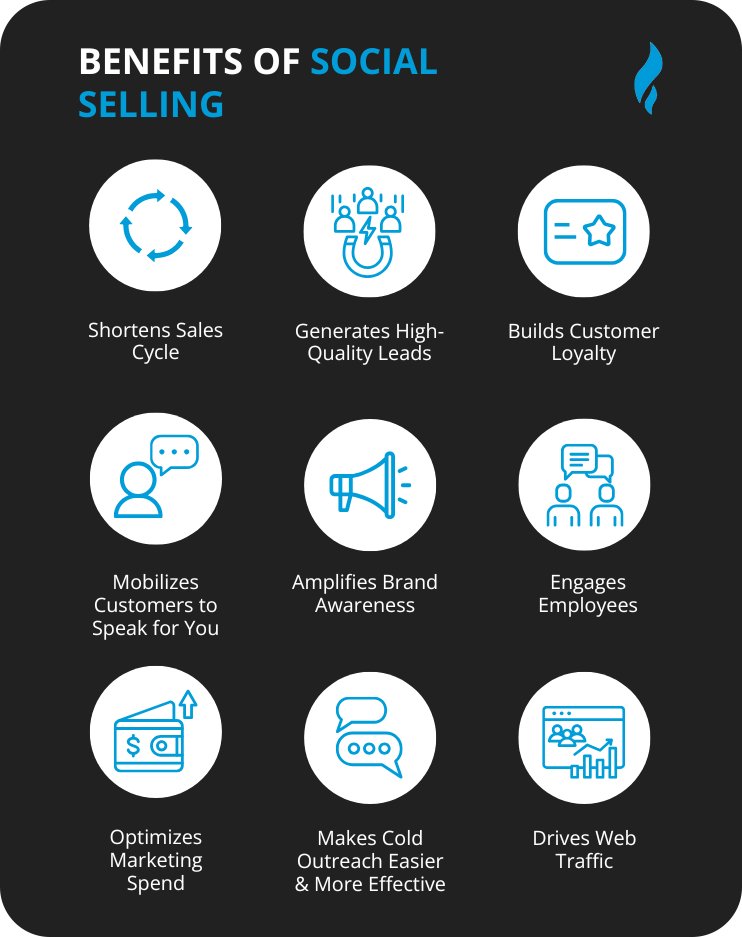
1. More Consumers
When you attract more customers, you have the opportunity to sell to more people than before. People don’t like to be inconvenienced by anything.
They are on the internet every day. But if they don’t have to leave their Facebook app to go to your online store. Then you automatically just became their first choice in online shopping, aka social selling.
2. More Revenue
With more places to purchase comes more sales revenue!
Think of it this way: If you only had one brick and mortar store and then expanded to 5, you would make more money getting different customers from different parts of town.
Selling on social media through multiple platforms gives you access to literally billions of potential customers.
3. Increased Visibility & Awareness
Even if you don’t have purchases the first day you start selling on social media and running ads, you’re still growing your business. Grow your brand awareness across multiple channels and get your business name further than it was before.
4. More Engagement
By selling on social media, you are able to establish a relationship with your customers and offer a better shopping experience. Customers can ask you questions, and you can answer them in real-time just as you would if they were shopping in your store.
The whole reason social media was established was to help people be more social in a different medium, so why not use it for its intended purpose?
Don’t Assume You Get Instant Sales
Social selling is a fast way for small businesses to reach customers across the world. But it’s important to remember that social selling is still a new concept that not all users are comfortable with yet.
That’s why it’s so important to have good quality images, product descriptions, and an easy checkout process.
Don’t Just Sell
Your brand needs to have a personality behind it. You want people to know more about your business than just its products. Take note that you need to build trust with your followers first.
That’s the foundation of having a credible brand that customers would love to have a deal with regularly. Show up consistently on their feeds and give them valuable posts.
Set a goal for each of your posts and don’t publish something just for the sake of posting. Be sure that you have consistency within your posts when you create your content marketing calendar and stay engaged with your followers.
Don’t Ignore Comments
People are definitely going to have questions about your products because they are buying something they can’t physically see or touch. If they have questions, then answer them as soon as possible.
The greater engagement you have with your potential customers, the more likely they will be to purchase from you. The more you sell, the more questions you will receive.
This can be difficult to manage. Consider hiring a social media marketing company to do your daily monitoring for you so you can focus on other areas of your business.
You can use social media to directly connect with your customers, build relationships, and generate leads. But success requires consistent engagement, monitoring, and a professional presence to build social media traffic and drive sales.
If you need help, consider hiring the best social media agency, LYFE Marketing. We have helped 4,079 businesses grow on social media, so rest assured, your business will be in safe hands. Contact us today!
Can you sell on social media?
Yes, you can sell on social media. The best social media marketing platforms are Facebook, Instagram, TikTok, LinkedIn, X (Twitter), and YouTube, but you should use the ones your audience uses the most.
What is an example of social selling?
Social selling is using social media to build relationships and connect with potential customers to drive sales. For example, a salesperson engages with prospects on LinkedIn and shares helpful content, sending personalized messages to nurture them.
How do you do social selling?
You can do social selling by building trust using valuable content, engaging with prospects, joining relevant conversations, to later following up with personalized messages to offer help.
What are the 5 C’s of social selling?
The 5 C’s of social selling are to connect, content, converse, collaborate, and convert. This can help you generate leads and sales on social media.
How is social selling different than cold calling?
Social selling is different from cold calling because it builds relationships online before selling. In cold calling, you directly call strangers to sell without prior contact.
What is the meaning of social selling?
Social selling means finding leads on social media by directly engaging with potential buyers. It is an online marketing tactic to generate leads and sales on social media.
Other Social Media Marketing Resources
- What Are The Different Types Of Social Media Marketing Agencies?
- Top 17 Social Media Marketing Agencies Columbus 2026
- Top 15 Social Media Marketing Agencies Cleveland 2026
- Top 14 Social Media Marketing Agencies In Cincinnati 2026
- Top 14 Social Media Marketing Agencies Huntsville 2026
- Top 14 Social Media Marketing Agencies Birmingham 2026
- Top 11 Social Media Marketing Agencies Montgomery 2026
- What Does A Social Media Marketing Agency Do?
- What Is The 5 3 2 Rule For Social Media?
- What Is The 70 20 10 Rule Of Marketing?

