



Social media management can help your business grow. You can increase brand awareness, reach a target audience, and improve your customer support. Social media can help you build trust and shape how people see your brand.
Brands like Duolingo and Nike have gained loyal fans and customers through smart, consistent social media strategies. Their success shows the power of a well-planned social media marketing strategy.
This guide covers the key parts of successful social media strategies. You can use these basics to build a strong, engaging social media presence on the platforms that matter most to your business.
Social media management is the ongoing process in which you plan and post content to engage and grow your audience on social platforms. Social media management includes:
- Content Planning for Social Media
- ORM (Online Reputation Management Strategy)
- Community Management
- Paid Social Media Campaigns (running and optimizing paid social ads)
- Managing and training your social media team
Social media management does more than improve your brand awareness or follow social media trends. You can build real connections with your target audience on a larger scale using social media.
Evolution Of Social Media Management
Social media management (SMM) is always changing. As platforms and trends shift, so do the tasks involved in managing your brand account. The creator economy is changing how we share content on social media.
At the same time, social messaging has shifted brand conversations from public posts to private chats, building closer connections with audiences. Today, social media is the top source for understanding your audience and what they expect from your brand.
90% of consumers use social media to follow brands and trends. So, social media management is more than just posting and responding to comments. You have to use social data to guide your online marketing decisions.
Social media is not just about building awareness; social commerce can help you drive sales throughout the customer journey. You can use AI marketing tools to help your business create content, personalize customer experiences, and analyze data more effectively.
The Role Of A Social Media Manager
The role of a Social media manager is to develop strategies that grow and maintain your social presence with content creation, social media campaigns, and reporting to keep you informed about the results.
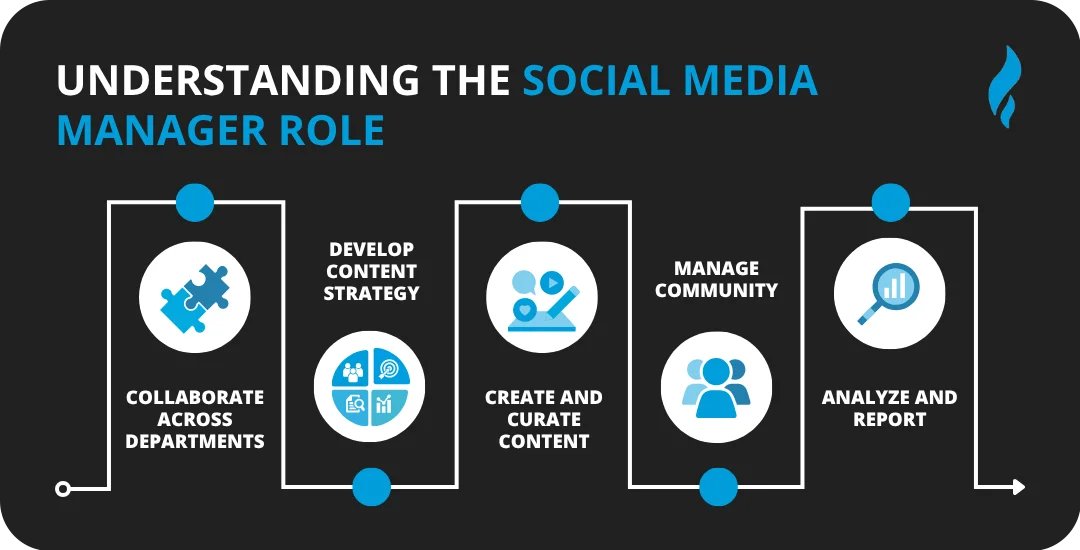
A social media manager’s role doesn’t stop there. They also track engagement, conversions, and brand sentiment to show the social media ROI (impact on your business).
This means turning likes and shares into real results like an increase in sales, leads, or customer loyalty.
To succeed, social media managers need key skills like:
- Adaptability
- Critical thinking
- Creativity
- Organization
- Curiosity
These skills help social media professionals keep up with the changing demands of using social media for marketing.
Here’s how to effectively manage social media for your brand.
Diversify Your Social Media Networks
Managing social media requires both strategy and flexibility, and data can guide where to spend your time and social media budget, but platforms change quickly. What works today might not work tomorrow, so you should use more than one channel.
You can use multiple platforms to protect your strategy. If one platform changes its algorithm, you will be less affected if you have a strong presence on other platforms.
But posting on each platform separately takes a lot of time, and when you add engagement and monitoring, it turns into a full-time job. That’s where a social media marketing agency like LYFE Marketing can help. They are social media expert who scale your social media efforts.
Use Social Data To Track ROI
Businesses have a budget-focused environment, and results are key to asking for support for social media for business. Social media data can help you show the ROI (return on investment) on your social media efforts.
You can track ROI through metrics like engagement, audience growth, interactions, sales, and share of voice. Focus on clear, measurable metrics to make it easier to secure resources for future campaigns and keep your social media strategy valuable to your business.
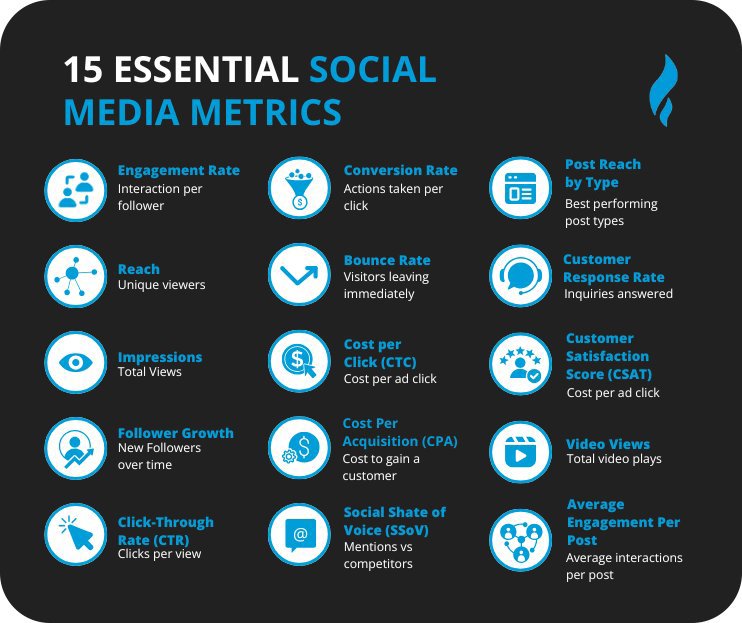
Also, define social media KPIs to make it easy for decision-makers to see the impact of your social media efforts.
Listen To Your Audience
You need to understand who you’re talking to to create content that works, and social listening can help. Use social listening to analyze audience conversations, industry trends, and what competitors are doing.
Social listening tools reveal customer pain points, changing preferences, and new opportunities. You can use that to improve your brand messaging, adjust product positioning, and spot gaps your competitors have missed.
Streamline Your Socials With Automation and AI
Use Automation for repetitive tasks to speed up reporting and streamline workflows, and AI tools can help you track audience sentiment, generate content ideas, and schedule your posts for the best time to post on social media.
Also, use AI chatbots for personalized customer support and avoid any social media fails.
Social media management is important because your customers are active on social media. They want to see content from brands like yours and are more receptive to your messages on social channels than to traditional advertising.
The best part about social media management is that it’s cost-effective. You can see real results like an increase in traffic and conversions within a small marketing budget, and don’t have to worry about traditional marketing tactics like TV ads and billboards.
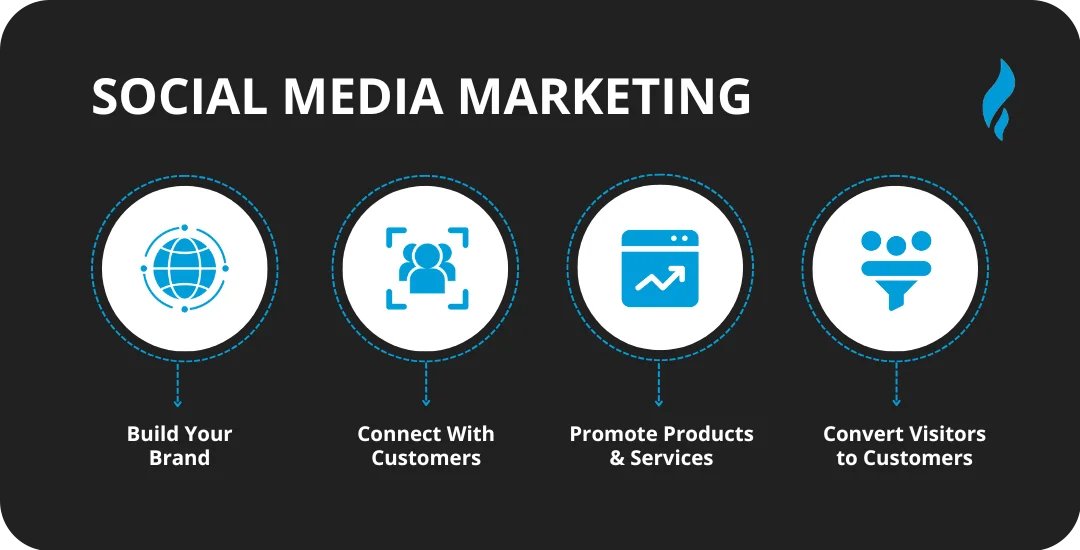
Managing your social media effectively lets you get the most from the digital marketing channel.
You can build real connections with your target audience by publishing valuable content that they actually care about. And you can target a highly relevant audience that is genuinely interested in your brand.
Content creation is important for social media management, but you have to plan your strategy and avoid blindly jumping on viral trends. You should listen to your audience to create a successful social media strategy.
Try to keep your content original and stay culturally relevant with your audience. You should balance social trends and stay true to your brand voice. Social listening can help you overcome this challenge.
You should use social listening tools to spot trends that matter to your brand and stay ahead without being online all the time. Understand what your audience wants from your brand.
Focusing on your audience guides your content planning. For instance, if they prefer short video advertising, include more short videos in your content calendar. You can cross-post to all your social channels at once, but customize content for each platform’s audience.
Online Reputation Management (ORM)
Managing your reputation is key to business success, even if it’s not your main focus on social media. Many people check reviews and look up businesses on platforms like Instagram and TikTok before making a decision.
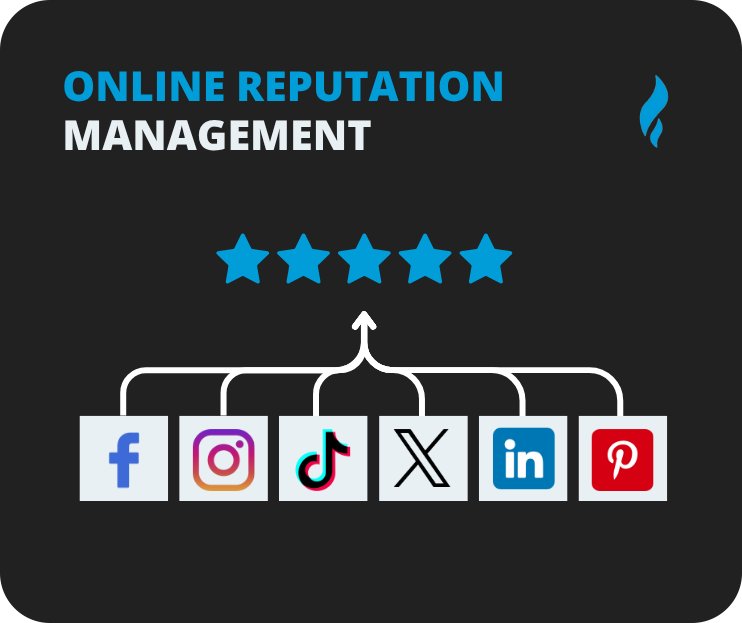
A proactive reputation strategy builds trust, improves customer relationships, and supports business growth. Use these tips to strengthen your brand reputation.
- Ask for reviews: You should ask satisfied customers for reviews and make it simple for them to leave feedback. Learn how to get more Google reviews.
- Respond to feedback: Reply to both good and bad reviews to show you listen to your audience and care about them.
- Track brand mentions: Use social tools to find untagged posts and spot trends in how people talk about your brand.
If your brand doesn’t respond on social media, 73% of your potential customers will switch to your competitors. Businesses make the mistake of taking them as an optional thing, but customers expect it. Online users want a response within 24 hours or less.
Your social media team needs to stay ahead and respond quickly to meet customer expectations. Here’s how you can do it:
- Share FAQs and help center links for quick answers
- Post educational content about your products or services
- Engage with customers at every stage of their journey
- Respond to complaints, questions, and concerns on social platforms
Customer care overlaps with both marketing and support. Giving your social team the right tools and support can improve service, boost marketing, and build brand loyalty.
Influencer Marketing And UGC (User Generated Content)
Influencer marketing has evolved with the rise of the creator economy in 2026. You have to partner with niche influencers of all sizes to build trust, grow your community, and reach new audiences.
You should use user-generated content to run successful social campaigns and find the right influencers to target a highly engaged audience.
Focus on influencer trends that match your industry and audience. For example, in 2024, beauty, fashion, food, and drink were the top categories for influencer marketing across all audiences.
Influencer marketing is a powerful way to grow your brand and business. Use this toolkit to see what you need to build a strong strategy and plan your budget, no matter the size.
Your business needs to be a part of online communities in 2026, and social media community management can help. For example, Duolingo joined TikTok in late 2021 and gained over 2 million followers and 50 million likes in just a few months with a strong community.
Duolingo uses humor, viral trends, and TikTok comments to highlight their playful brand voice, interact with users, and stay part of conversations.
For example, when the audience jokes about their owl mascot being intense or threatening, they reply in character to earn thousands of likes and keep the engagement going.
This shows that you don’t need to focus on products in community conversations. Non-product posts provide valuable insights into what your audience wants. So you should use social media community management to create a space for meaningful interactions and stay connected with your target audience.
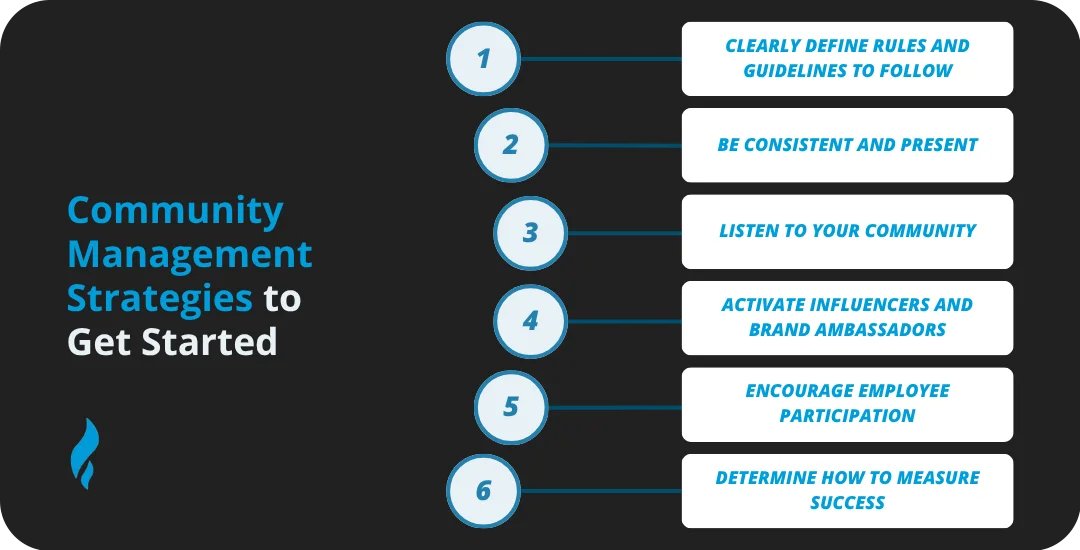
Building an active social community takes time. Be it on TikTok comments, Facebook Groups, or Instagram Broadcast Channels.
You should launch new programs or communities with a slow, steady, and strategic approach. Start with an invite-only or beta program for loyal customers and invite users to test your strategy. If it works, open it up to a wider audience.
You don’t have to choose between organic and paid social media. Organic content builds long-term connections with your audience and paid ads help you reach a new audience fast through targeting options.
You need to manage your organic and paid social media together to stay visible to both current and potential customers. A social media agency like LYFE Marketing can help you with their social media marketing services.
You cannot manage your social media with built-in platform tools because they can’t keep up with content schedules, customer messages, and paid campaigns. You need social media management services and scheduling tools to keep up in 2026.
Hiring a social media agency can help you:
- Improve brand awareness by posting at the best times.
- Use insights with analytics to show how your social media strategy is performing.
- Save your time with automation and the best social media schedulers to manage multiple accounts from one dashboard.
- Create content calendars and simplify content creation and posting.
Social Media Scheduling And Content Calendar
Your social media content strategy defines the main themes and goals of your posts, and your content calendar breaks this down, showing what you’ll post and when on different social platforms.
You can use this for a clear view to make sure your content aligns with your strategy. For example, if you’re launching a new product, your content calendar should show if you have enough product posts planned for the week or month.
Social Media Analytics
You can use social media analytics to see how your campaign performance. Use social media analytics to shape your strategy to increase social media engagement and improve conversions.
You can track performance across all your social platforms and use a social media audit to compare with competitors. A social media manager can help you monitor Instagram growth, track Facebook engagement, and manage your online presence.
Social Media Messaging And Inbox
You need to provide personalized customer service, but that requires handling messages across multiple social channels. It is not easy to reply to each customer separately, but the good thing is you don’t have to.
Use a chatbot to answer customer queries and FAQs. This will help you stay on top of customer conversations.
Social Media Listening Tools
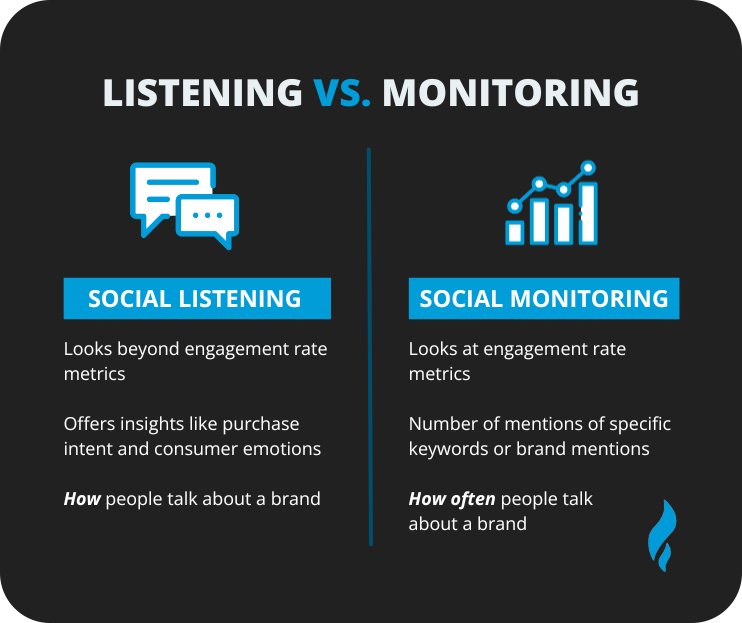
You should use social listening platforms to track how customers perceive your brand and look into their complaints to resolve them. You have different social monitoring platforms for that, like Google Alerts.
Google Alerts show email notifications about the topics and keywords you want to track. You can use it to track content that is relevant to your business.
Here are some social media management resources to help you out:
- Social Media Advertising Platforms
- Social Media Management Pricing
- Social Media Best Practices
- How Much To Hire A Social Media Marketer?
Knowing what social media management is and why it’s important is one half. You have to put that knowledge to use and make decisions about your social media management.
But small businesses don’t have enough time or resources to dedicate to effective social media management. Posting quality content consistently takes a lot of time and effort that small online business marketing teams just don’t have.
This is where a social media management company comes in. A social media management company like LYFE Marketing helps supplement your digital marketing efforts by providing social media advertising services.
We have the time to run your campaigns and the expertise to make your social media efforts successful.
Contact us today if you’re ready to take your social media marketing to the next level with our affordable digital marketing services.
What is meant by social media management?
Social media management is the process of creating content, planning when to post it, interacting with followers, and tracking results. It helps businesses stay active online, grow their audience, and build customer relationships.
What exactly does a social media manager do?
A social media manager creates, edits, and uploads content across different social media platforms. They engage with your followers, run campaigns, and manage the online presence of your brand.
What are the business functions of social media management?
The business functions of social media management are to support brand awareness, customer engagement, lead generation, and reputation management. It also helps with content distribution, customer service, and performance tracking.
What are the skills of social media management?
The skills of social media management include creativity, writing, problem-solving, customer service, visual design, analytics, content planning, and communication.
How to start social media management?
You can start social media management by learning how social platforms work to improve your skills. Manage a real account and build a portfolio to network with others in social media management.
What is the importance of social media management for companies?
Social media management helps companies connect with their audience, build trust, and increase sales. It also supports brand visibility and handles customer feedback in real time.
Other Social Media Marketing Resources
- What Are The Different Types Of Social Media Marketing Agencies?
- Top 17 Social Media Marketing Agencies Columbus 2026
- Top 15 Social Media Marketing Agencies Cleveland 2026
- Top 14 Social Media Marketing Agencies In Cincinnati 2026
- Top 14 Social Media Marketing Agencies Huntsville 2026
- Top 14 Social Media Marketing Agencies Birmingham 2026
- Top 11 Social Media Marketing Agencies Montgomery 2026
- What Does A Social Media Marketing Agency Do?
- What Is The 5 3 2 Rule For Social Media?
- What Is The 70 20 10 Rule Of Marketing?


2 Responses
Your Content Was Helpful And Wonderful.
Kudos
good evening I want to list how to work