



Social media marketing is a way for businesses to reach their target audience and customers. This works well for businesses of all sizes. You can use social media to find, research, follow, and buy from brands.
If your business is not present on platforms like Facebook, Instagram, TikTok, or LinkedIn, you’re missing opportunities. Social media marketing can build loyal fans and drive real leads and sales.
We will give you everything you need to know about social media marketing:
- Benefits, stats, and tips about social media marketing
- How to create a social media marketing strategy and turn it into an actionable plan
- The best social media platforms for marketing and how to use each one effectively
Table Of Contents
- What is social media marketing?
- Benefits of social media marketing
- Social media marketing statistics
- Essentials of a successful social media marketing strategy
- How to create your social media marketing plan
- Social media marketing tips
- Best social media marketing platforms for your business
- Social media for business FAQs
Social media marketing is a type of digital marketing in which you use social media platforms to achieve your branding and marketing goals. This takes more than creating an account and posting at random.
You need a clear, flexible strategy with measurable goals to see results. Here is how you can do it:
- Optimize and maintain your social media platforms with an SMO (social media optimization) strategy.
- Post content (images, reels, videos, stories, and live videos that represent your brand and resonate with your target audience).
- You should respond to the comments to increase social media engagement.
- Join communities to engage with followers and build your brand as a thought leader.
Social media is used by 5.24 billion people around the world in 2025, which is why it is the most effective tool for marketing your business. The best part is that you can do it for free as well, but paid advertising can help you scale it better.
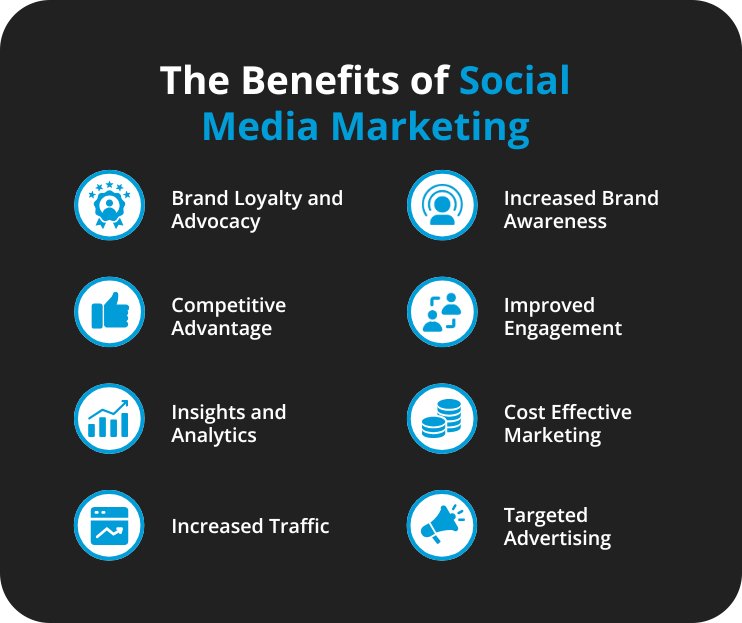
Here are some key benefits:
Humanize Your Business
You can use social media to make your business a part of your target market. You can create your brand image and persona by updating your profile, posting, and interacting with your followers and target audience. This will help them trust your business as an authority.
Increase Brand Awareness
You can use social media to share branded content to educate and help your audience and build a strong brand identity. The more people recognize your brand, the better your social media campaigns will perform.
Drive Traffic
Social media can drive traffic to your website through profile links, blog post shares, and ads. This gives you chances to turn social media traffic into website visits and convert them into customers. It also supports SEO by improving social signals.
Generate Leads And Customers
Social commerce can help you generate leads and sales directly on social media platforms. You can generate leads directly on Facebook & Instagram using Facebook Shop and on TikTok Shop.
Build Relationships
Social media is a direct and indirect way to connect with your audience. You can network with potential customers, get feedback, start conversations, and build one-on-one relationships.
The larger and more active your social media audience is, the easier it is to reach your marketing goals.
If you have an active social media presence and a bigger audience engaged, you can achieve your marketing goals at a relatively low cost.
Here are a few social media marketing statistics that prove the social media benefits we discussed above:
- Every day, an average US adult spends 2.25 hours on social media.
- 4 out of 5 LinkedIn users help make business decisions.
- 81% of Instagram users use the social platform to search for products or services.
- 46% of TikTok users use the app with their full attention and no distractions.
- Over 70% of customers who have a good experience with a business will recommend it to others on social media.
- Facebook users click on 12 ads per month on average.
You can’t copy a successful social media marketing strategy from another business because yours needs to be tailored to your specific goals and target audience. Here are a few things most successful social campaigns have in common:
Knowledge Of Your Audience
You should know which platforms your audience is using and the type of content they interact with. Look into brands they follow and how they interact with them. Social media trends are also a great way to create content that resonates with your target audience.
Content Strategy
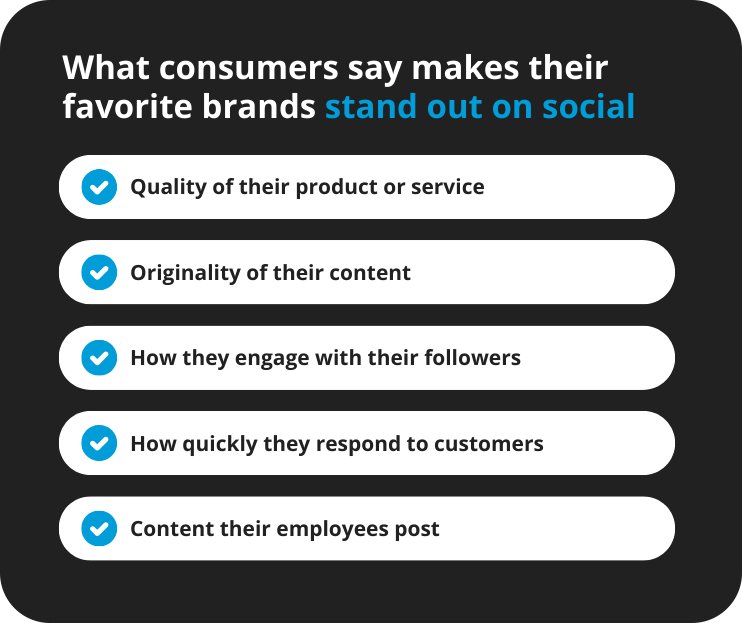
A content strategy can help you structure your content and use a consistent brand voice to create quality content. You can use the best social media schedulers with your content strategy to post consistently on different platforms.
Brand Identity
A brand identity helps your audience relate to your brand. You can use it to control how they view your brand content.
Regular Activity
Social media moves fast, and the best brands on social media adapt to that. You should know what is social media management. This can help you keep your social profiles up to date and active.
Analytics
When using social media for marketing, data can shape your strategy. Look into who you’re reaching, what content works best, when to post, and more.
Inbound Approach
is best, but avoid using social media just to sell. Share helpful and engaging content to build trust. This will organically promote your business.
Your social media marketing plan is the roadmap of how you will carry out your strategy. These are steps around your strategy to measure success and make sure you’re spending your social media budget effectively.
You can use these steps to create an effective social media marketing plan:
Choose The Right Platforms
Choose the social media platforms your target audience uses the most or the ones that are popular in your industry. Start with one platform and gradually add more to reach more people. A social media audit can help you identify the right platforms.
Set Clear Goals And Objectives
Start with simple tasks like setting up your profile, doing a competitor analysis, and posting daily. When you have some data, you can set social media goals like growing your followers by a set percentage.
Report And Adjust Regularly
social media best practices and track results like which post gets the most engagement, and what the demographics of that audience are. Identify what works best for your brand and scale it, and fix what doesn’t.
Now let’s get into how to increase sales on social media with some social media marketing tips to create effective social media marketing campaigns.
Create A Mix Of Content
Content reigns supreme in online advertising and social media marketing. Post regularly to share information that your customers and target audience will find useful. You should post:
- How-tos and helpful tips
- Industry or local news
- Data and insights
- Business updates and announcements
- Polls, questions, or contests
Use different content formats like images, videos, reels, stories, and live streams to keep your content fresh and engaging.
Stay Consistent
You can use social media for marketing to share your brand across different social media advertising platforms. Each platform has unique opportunities, like LinkedIn is best for B2B online marketing. You have to stay consistent with what works best on the platform.
Interact With Your Audience
Don’t just log in once a month to schedule posts. Social media is a two-way street. Watch who interacts with your content and respond to likes and comments. Also run live streams, ask questions, post polls, and repost content from others to stay active and build real connections.
Use Content Creation Tools
Every social media platform is visual, not just Instagram. To stand out in feeds, use eye-catching visuals like photos, graphics, or styled text. Tools Canva make it easy to create professional-looking images with your brand style.
Curate Your Feed
Don’t just post content, create your own feed. You should follow your competitors to track their moves. This will help you spot content gaps, gather ideas, and stay updated on trends. You can also follow value-aligned brands to get inspired and think creatively.
Repurpose, Repost, Recycle
Social media is crowded, so to get noticed, you need to post quality content regularly. And it gets difficult to create content for different platforms. Follow the three Rs to keep up:
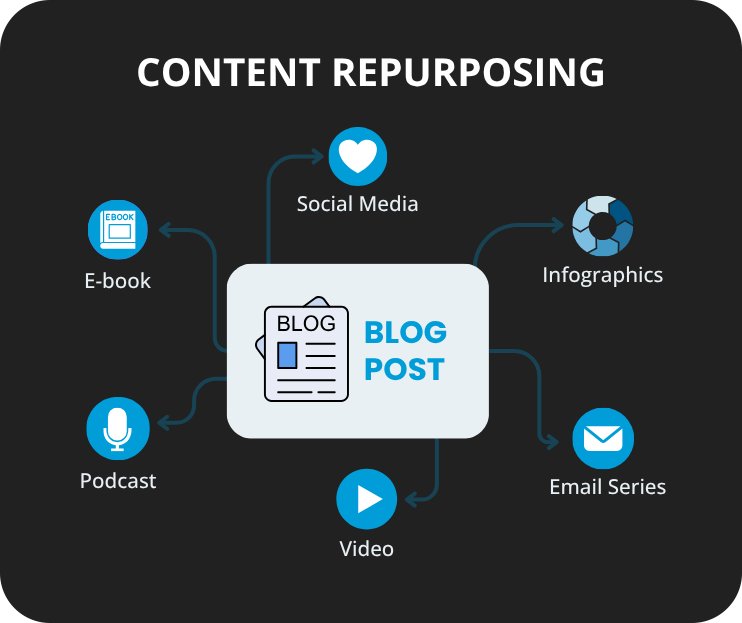
Repurpose: You can turn a piece of content into many. For example, you can break a blog into tweets on X. Turn a webinar deck into a LinkedIn carousel. Share parts of a case study as an Instagram spotlight. Keep the same content working for you.
Repost: Use this occasionally to fill content gaps. Share user-generated content or influencer posts on Instagram or X (Twitter), and post helpful links from trusted sources.
Recycle: Share your Instagram and TikTok Reels on YouTube. Repost your best blogs each month to reach new followers. Also, upload Facebook Live videos to your YouTube channel to keep them working for you.
Track Analytics To Measure Your Success
You have to track data to measure the success of your social media marketing strategies. Use tools like Google Analytics to see what’s working and what’s not in your social media marketing techniques.
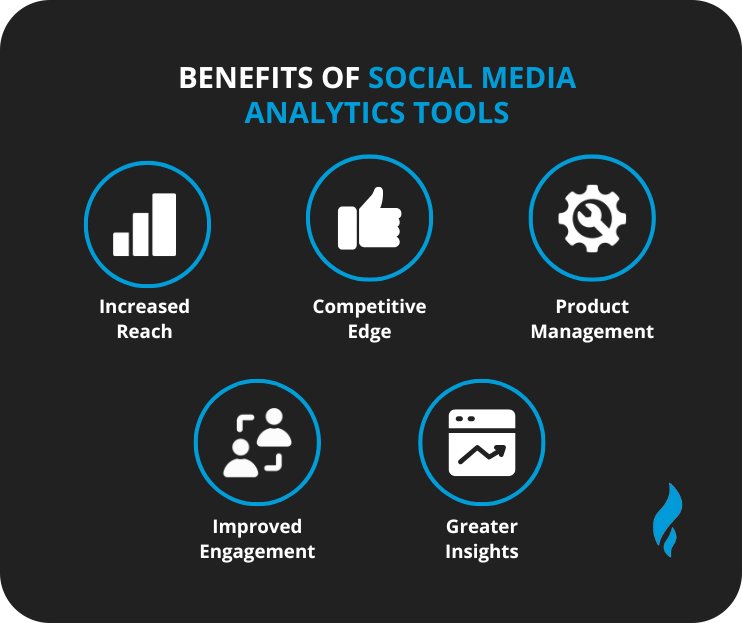
Add tracking tags to your social campaigns to monitor performance. Also, check the built-in analytics of each platform to find which content your audience responds to most.
Try Paid Social
Advertising on social media is a cost-effective way to reach more people and market your business. You can get your content in front of a targeted audience without overspending with the right approach.
Social media platforms provide targeting options so you can spend your budget towards an audience that is genuinely interested in your product or service. Here are some resources for getting an idea of how much paid social media advertising cost:
The best social media marketing platforms for business include Facebook, Instagram, TikTok, LinkedIn, X (Twitter), Snapchat, and YouTube. Each social media marketing site requires a different approach. Here is a brief overview of how to make the most out of each platform:
Facebook is the largest online advertising platform and the best business directory. The social media platform has over 3 billion active users worldwide.
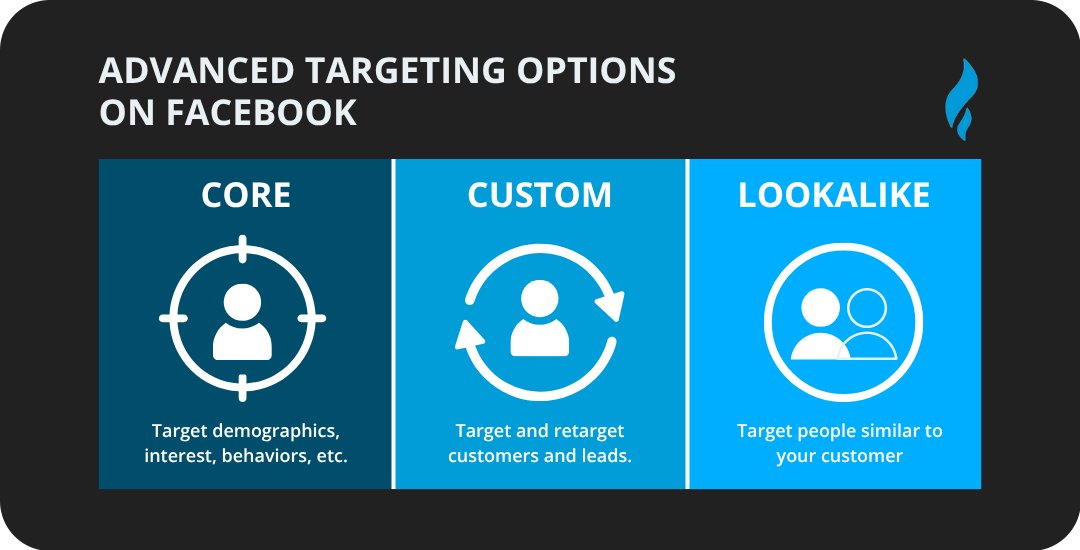
People of different demographics (age, location, interests) use Facebook to share content with family and friends, follow brands, and find local businesses near them.
Facebook is an ideal social media marketing platform to:
- Build relationships with your customers and target audience
- Target baby boomers effectively
- Host Live Streams and Discussion
- Announce updates regarding upcoming events and products
That said, the organic reach your brand will get on social media is limited, and Facebook advertising will help you reach the right audience and generate leads.
More Resources For Social Media Marketing on Facebook:
- Top Facebook Ads Agencies In The US
- Using Facebook For Business
- Essentials To Running Successful Facebook Ads
Instagram has the second-largest social media marketing platform with over 2 billion active users. It offers a mix of content formats like Reels, photo posts, carousel posts, video posts, Live videos, and Stories.
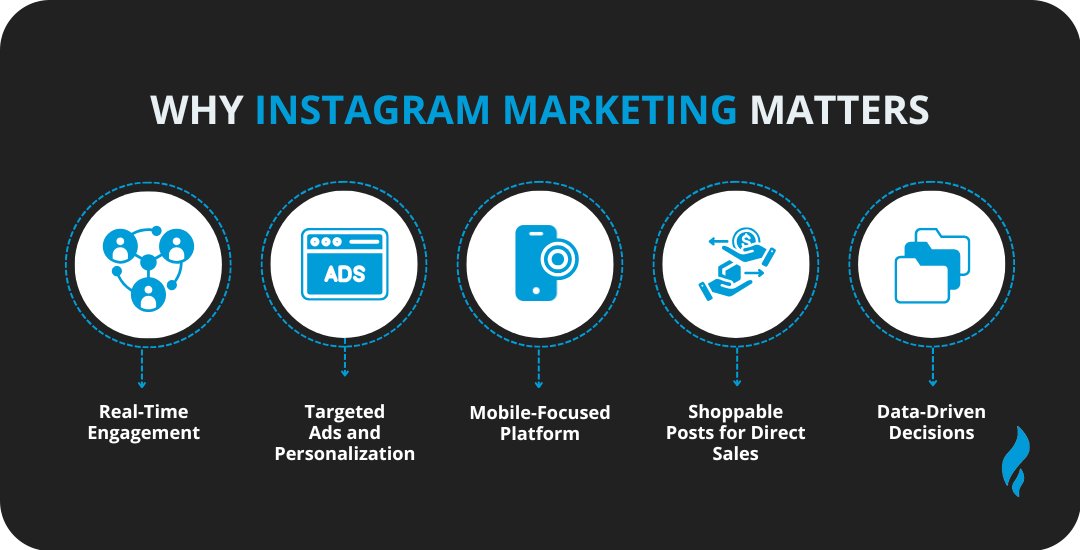
People use it to follow brands they buy from and influencers who share their values. You can use Instagram marketing for:
- Social Commerce
- UGC (user-generated content)
- Influencer Marketing
- Promote your brand image
You will get a better organic reach on Instagram compared to Facebook, but Instagram ads cost more than Facebook ads.
More Resources For Social Media Marketing on Instagram:
TikTok
The fastest-growing social media platform of all time is TikTok, with around 1.6 billion users across the world. While it was considered a platform for dance videos, the platform has evolved into a hub for UGC (user-generated content).
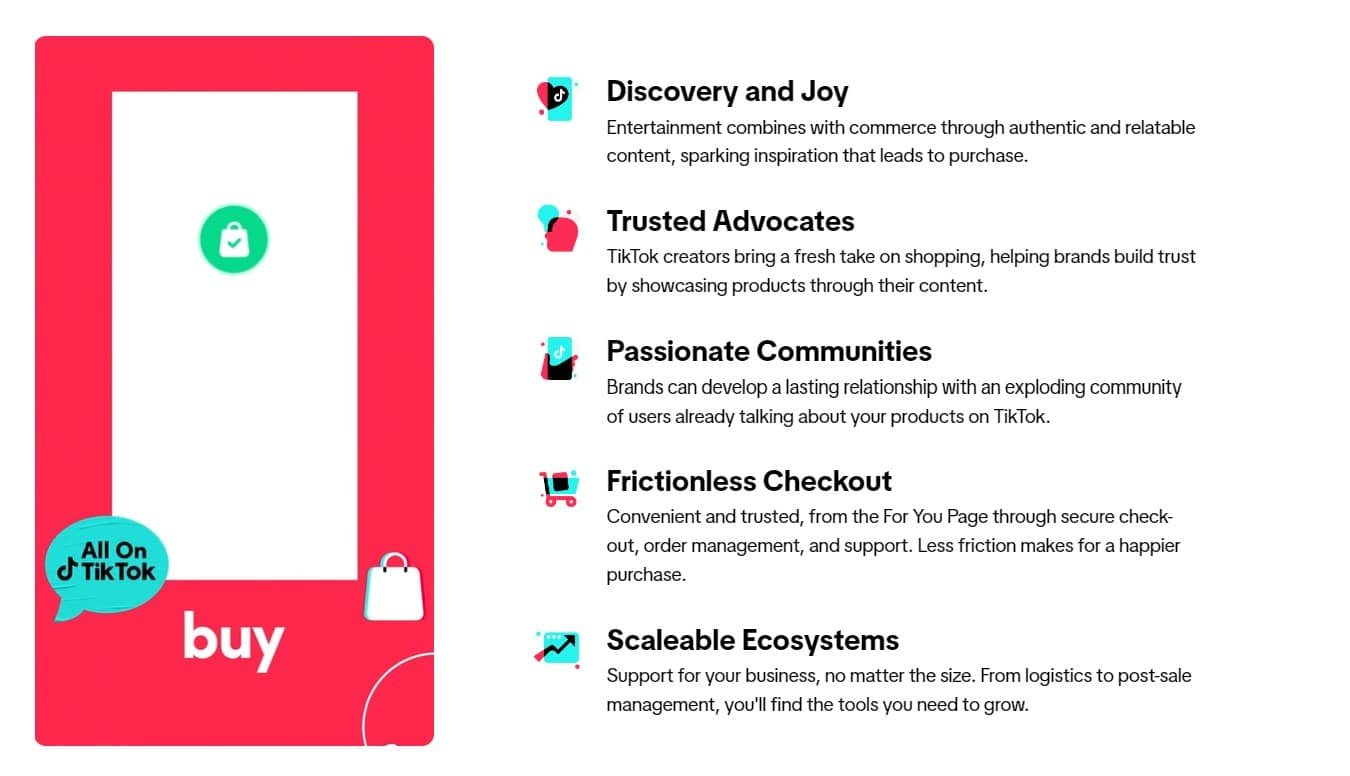
You can use TikTok to promote your business, but remember, people come to TikTok for entertainment. Make sure your videos match that tone. Your business should invest in TikTok management because it can help you:
- Go viral to get a bigger audience.
- Promote your business using trending challenges
- Be relatable to your audience with UGC
More Resources For Social Media Marketing on TikTok:
- How To Sell on TikTok Shop
- 50 Best TikTok Hooks To Boost Views And Engagement
- How To Get More Views on TikTok
LinkedIn has 1.15 billion active users, and it is a professional network where you can find industry leaders and experts. You can share industry insights and find prospects, and show your brand culture. It is an ideal platform for B2B businesses.
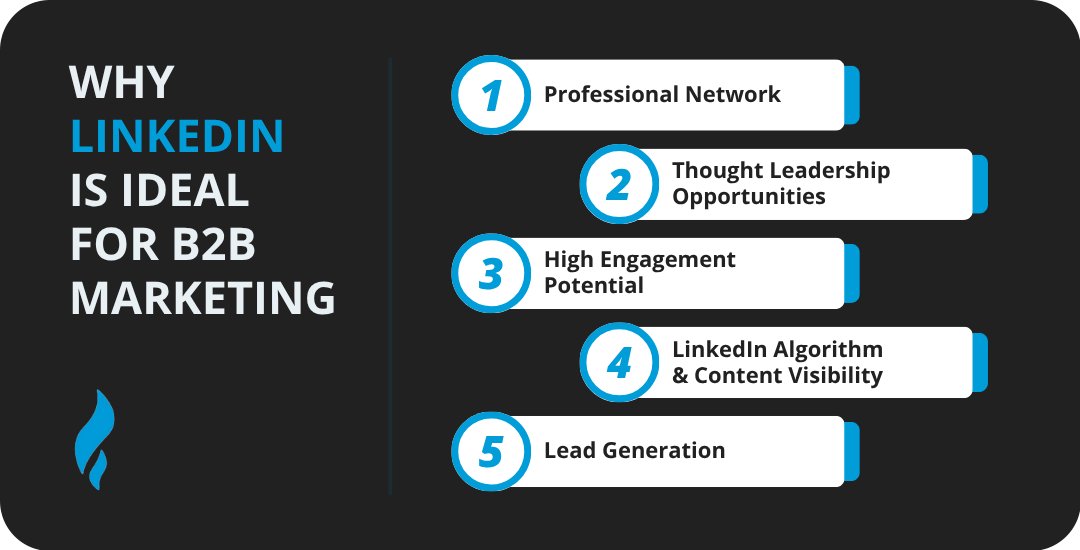
You can use LinkedIn marketing to:
- Find skilled talent
- Connect with partners, peers, and customers
- Share company news and workplace culture
- Post industry updates and insights
More Resources For Social Media Marketing on LinkedIn:
X (Twitter)
X (Twitter) is a fast-moving platform filled with updates, tips, and active conversations. Staying active is, therefore, especially key. People use X (Twitter) to get news, connect with brands, and ask for help.
Your brand can retweet positive mentions and reply to questions to improve your brand’s presence. You can use Twitter marketing to:
- Keep up with trends and news
- Share opinions and stories using a Thread (series of Tweets)
- Provide customer service and address FAQs
More Resources For Social Media Marketing on X (Twitter):
- 3 Ways You Can Use X (Twitter) for Business
- Method to Increase Your Twitter Engagement
- How To Get More Twitter Followers
Snapchat
Snapchat isn’t a social media marketing platform used by Gen Z only. 75% of users on Snapchat are between 13 and 34. You can get a strong local reach with Snap Maps, geofilters, and a Gannett partnership.
Snapchat is not a platform to build relationships with your audience, but you can use it to grow your audience with fun filters and short videos. You can use Snapchat for:
- Location-based advertising
- Share ephemeral content
- In-app marketing
More Resources For Social Media Marketing on Snapchat:
YouTube
Most people think YouTube is not a social media marketing channel, but the reality is the opposite. Like most social media platforms, you can post videos, comments, and follow accounts you want.
Your homepage shows a curated feed of recommended videos. Your goals on YouTube Promotion should not be to go viral but to provide value. YouTube works best for:
- Explainer videos, tutorials, and how-tos
- Video Ads and Display Ads
- Shoppable live streams
- Improve your SEO because video ranks better for “how to” searches
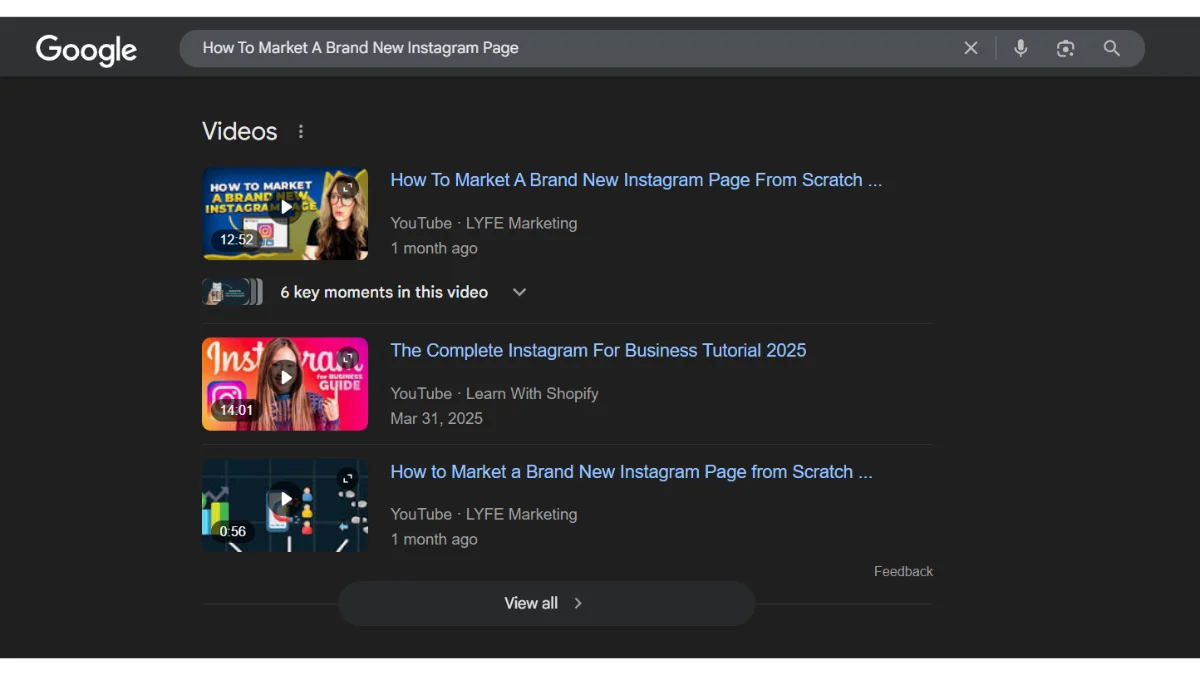
More Resources For Social Media Marketing on YouTube:
Now that you know what you need to get started with your social media for business, let’s discuss how you can implement some of the strategies and tactics that we’ve addressed above.
First, you will need to consider what resources you currently have in place to help with implementation. Do you have a dedicated staff that can work to create consistent social media content?
Does your team have enough knowledge of social media targeting and advertising to help meet your business goals? Social media is an important part of your overall marketing strategy.
However, it takes time and resources to get it right.
Not to mention, if your staff is not experienced with different social media platforms, your business may not be getting all of the benefits that social media has to offer.
If you do not have dedicated and experienced staff in place to manage your social media on a consistent basis, it may be time to call in the experts. Our social media marketing company specializes in social media for business.
Our team of social media experts is experienced in creating and implementing social media management and advertising strategies that help our clients get the results they want from their social media marketing.
r business using social media, contact us today.
What social media is best for business?
The best platform for your business depends on your goals, audience, and industry. Facebook, Instagram, and LinkedIn are the best options for most businesses. But depending on your needs, platforms like X (Twitter), YouTube, and Pinterest can also be effective.
What is the 50 30 20 rule for social media?
The 50 30 20 rule for social media is that 50% of your posts should be engaging, 30% informative, and 20% promotional. This balances your content strategy.
What is the 5 5 5 rule on social media?
The 5 5 5 rule on social media is a strategy where you spend 5 minutes engaging with 5 users on a social platform and repeat the process on another. You can use it to improve your engagement and build relationships with your target audience.
Why is social media important for businesses?
Social media is important for businesses because it is a cost-effective way to reach your target audience, build brand awareness, and engage with customers. You can also drive website traffic, generate leads, and improve customer service.
Other Small Business Social Media Marketing Resources
- What Is The 1% Rule In Marketing?
- Marketing a Small Business on Social Media
- Social Media Measurement: The Small Business Guide to Measure Your Social Media Performance
- 14 Tips On How to Increase Social Media Engagement
- How to Do Social Media Marketing to Outperform Your Competitors
- 50 Reasons Why Social Media Marketing is the #1 Channel for Businesses
- The Complete Guide To Social Media Marketing For Small Businesses
- How to Use Social Media to Drive Massive Brand Awareness
- 6 Steps for Profitable Small Business Social Media Marketing
- Top Ranking Social Media Platforms to Grow Your Small Business

