



Social media marketing can grow a business. It involves building an online audience and engaging them to generate leads and drive sales.
This guide covers everything you need to know about marketing your brand on social media. We will cover how you can build a social media strategy, run an audit, use social media advertising, and track results.
Our social media experts have also highlighted productivity tips for social media marketing that have helped LYFE Marketing generate $304 million in revenue for our clients. Social media marketing is always changing, so this guide will help you stay up to date on the latest social media landscape.
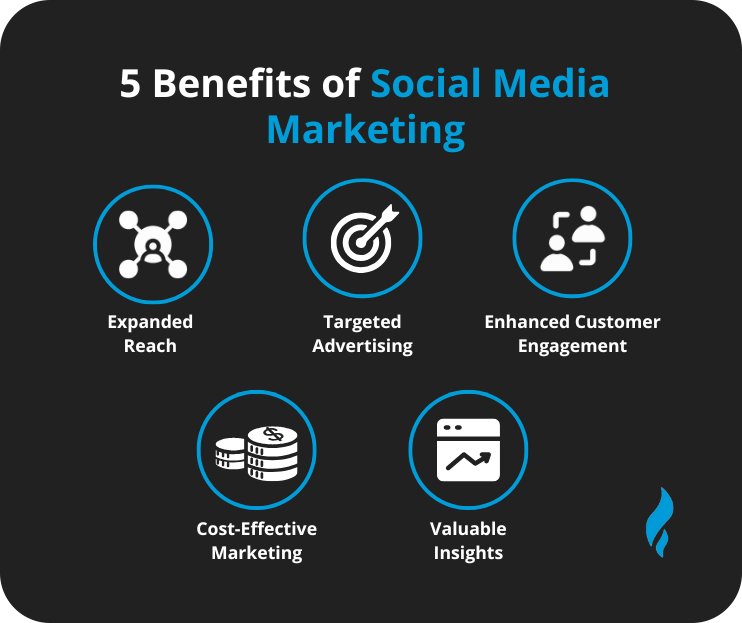
Successful social media marketing requires a strategy that is based on your goals and the steps to reach them. A social media marketing strategy provides the following benefits:
- Make sure that your social media posts and actions have a clear purpose.
- Provides a foundation for measuring and reporting social media results.
- Create a framework for effective social media campaigns.
- Helps you reach your social media goals and saves time.
A social media strategy makes sure you stay on track and use the right social media marketing tactics to achieve your goals.
1. Set Your Social Media Goals
You should be clear on why you’re using social media for business. Each business has its own goals; some use it just to provide customer service, and some use social media for marketing.
Here are some social media goals:
Social Media Goal Example: Increase Your Brand Awareness
You need to have a consistent brand identity to create a loyal community and build brand awareness. Use different social media advertising platforms in your marketing strategy to increase your brand awareness.
Here are some tips your brand can use to create a strong social media presence:
- Post short videos to increase social media engagement.
- Use Facebook ads to target a highly relevant audience.
- Post in niche Facebook groups to provide real value.
- Create a consistent theme for your posts that is easily identifiable.
- Use social media hashtags in your post. It’s better to create a branded hashtag for your business.
- Collaborate with influencers to increase your social media traffic.
- Use a consistent posting schedule.
- Use employee advocacy to increase your brand trust.
- Add different content types to your marketing strategy.
YouTube
- Use relevant keywords in your captions.
- Create content that aligns with your USP (unique selling proposition).
- Your graphics should be recognizable and associated with your brand.
X (Twitter)
- Set aside time daily for X (Twitter).
- Join Twitter chats and share valuable content.
- Post authentic content to add value.
Social Media Goal Example: Generate Leads And Sales
You can use social media to generate sales and revenue. You have to use the right strategy to increase social selling and turn visitors into buying customers. Here is how you can capture leads at every stage of the sales funnel marketing:
Awareness: At this stage, your prospects are new to your brand. You should use educational content and address their pain points at this stage to encourage subscriptions. The leads in this stage are called Marketing Qualified Leads (MQLs).
Interest: These prospects know about your brand and are actively looking for a solution. You can share details about your products and how they compare to competitors in this stage. You will find Sales Qualified Leads (SQLs) in this stage.
Conversion: These prospects are ready to buy, and you can push them to purchase with a clear CTA (call to action), a discount, or a free trial. Leads in this stage are called Product Qualified Leads (PQLs).
Social Media Goal Example: Increase Customer Engagement
You have to keep your audience engaged to make sure your brand stays top-of-mind with your target audience. Use these psychology-based digital marketing tips to increase your engagement.
You should use content that resonates with your target audience and prompts action to keep them engaged. Target them on multiple platforms to establish your business as a recognizable brand.
But what is a good engagement rate for your brand in social media marketing? It varies depending on the social media platform, your audience size, and your industry.
Here is a list of different platforms and their average engagement rates:
- Facebook: 3.2% to 5.07%
- Instagram: 3 to 5%
- TikTok: 4.86% to 7.50%
- LinkedIn: 2.8% to 6.5%
You have to post at the right time for your audience to increase your engagement. Also, make sure you’re following the social media optimization practices for the best results.
Social media customer engagement requires time. Here are some steps you can use to streamline your social media engagement:
- Use AI tools like Marketing Tank to send automated follow-ups to leads, replies to the inbox message, and comments.
- Post on the best time using the best social media scheduling tools.
- Use social listening to understand what your audience wants and create content that will resonate with them.
Social Media Goal Example: Drive Traffic To Your Website
You can generate sales by directing your social media audience to your website. Your sales funnel and social media marketing campaigns should direct your audience to relevant webpages to close sales.
Your webpages should be tailored to provide a seamless user experience so they can complete the purchase without any difficulty.
SMART Goals
Here is a secret most social media marketing agencies don’t reveal. You have to narrow down your marketing goals to SMART goals for measurable results. Here is how you can use the SMART goals framework for your business:
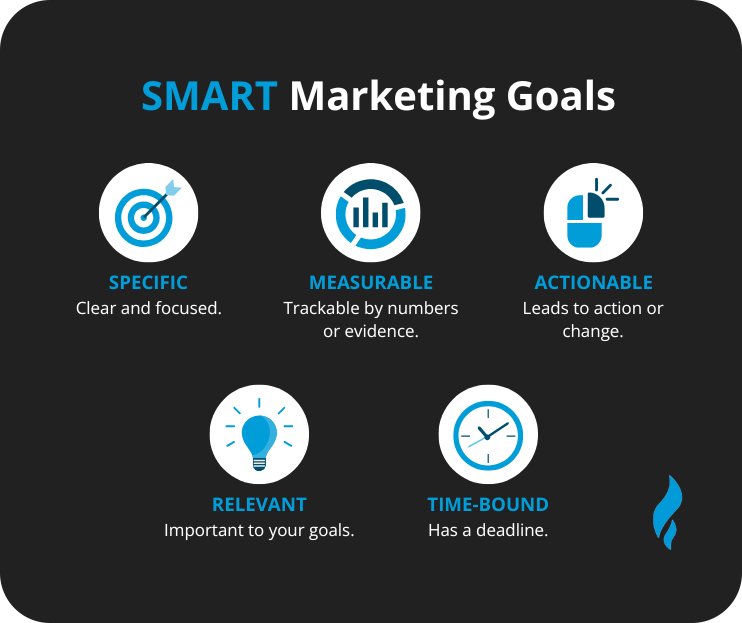
- Specific: Clearly define what you want to achieve and why. Avoid any vague statements.
- Measurable: Set a goal you can track and quantify, like follower count, engagement rate, or social media ROI.
- Attainable: Make sure your goal is realistic based on your available resources and business size.
- Relevant: Your social media goal should align with your business and marketing objectives.
- Time-Based: Set a clear deadline for your goals to plan and allocate resources effectively.
For example, a SMART goal can be to increase your CTR (click-through rate) by 20% in a month.
You should identify your primary social media goals and prioritize the most important one. Also, track your social media budget and allocate it effectively to make sure you have a positive return on your investment.
2. Set The Right Social Media KPIs
You have to track your progress towards your goals. Use the right KPIs (key performance indicators) to track your progress. Best brands on social media have weekly, monthly, and yearly KPIs to make sure they are on the right track.
You can use your industry benchmarks and past performance to set your KPIs. Here are some KPI examples you can have:
- Reach: The number of people your brand profile connects with on social media. You should set clear goals, like a 10% increase in reach quarterly for 2 years.
- Clicks: Track how many people click through to your website. Use analytics to find your conversion rate and calculate the clicks needed to reach your sales goals.
- Engagement: Measure your engagement rate through likes, comments, shares, and direct messages (DMs). You can set different engagement rate KPIs on different platforms.
- Hashtag Performance: Track the number of people using your branded or campaign hashtag. Set a clear target for hashtag interactions to measure your brand awareness. You can also track campaign hashtags to measure campaign success.
- Organic and Paid Likes: Measure the results from paid and organic campaigns to track both and make changes where required.
- Sentiment: Track positive and negative feedback to understand how customers perceive your brand. You can do it using social listening.
- Followers: Set goals for a specific follower growth rate for a certain time period.
- Impressions: You can track how often your content appears on the social media feeds of users.
- Profile Visits: Track how often people visit your profile to measure interest and brand awareness.
- Shares: This shows how often your audience reposts your content and shares it with their family and friends.
You have to understand your audience to connect with them. Learn about them, who they are, and what they want. Find out the type of content that resonates with them and use it to engage with them.
Audience Demographics
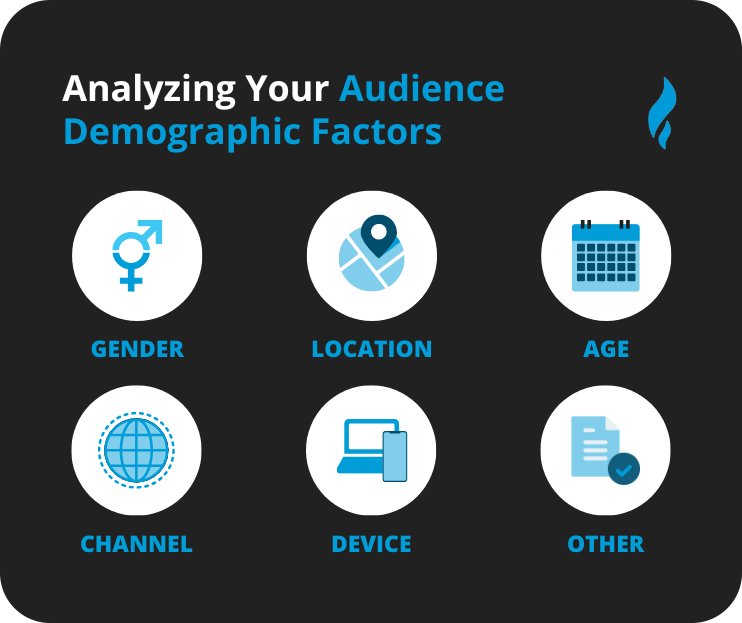
You have to find your audience demographics to target them effectively. Learn about their location, age, job titles, interests, and more to connect with them on a personal level.
If you’re not sure about what your target audience look into your competitors to see which user demographic converts for them, or use industry benchmarks.
Post At The Best Time
You have to post at the right time for your target audience. Check if your target audience is more active during the weekends or during work hours. And use the data to optimize your posting schedule. Learn more about the best time to post on social media.
Content Preferences
Find the content type that your audience prefers. You can do it by tracking your social media engagement. In general, visual content gets the most engagement on social media. But it also varies based on the platform. For example, text posts work best on X (Twitter).
Run A Competitive Analysis
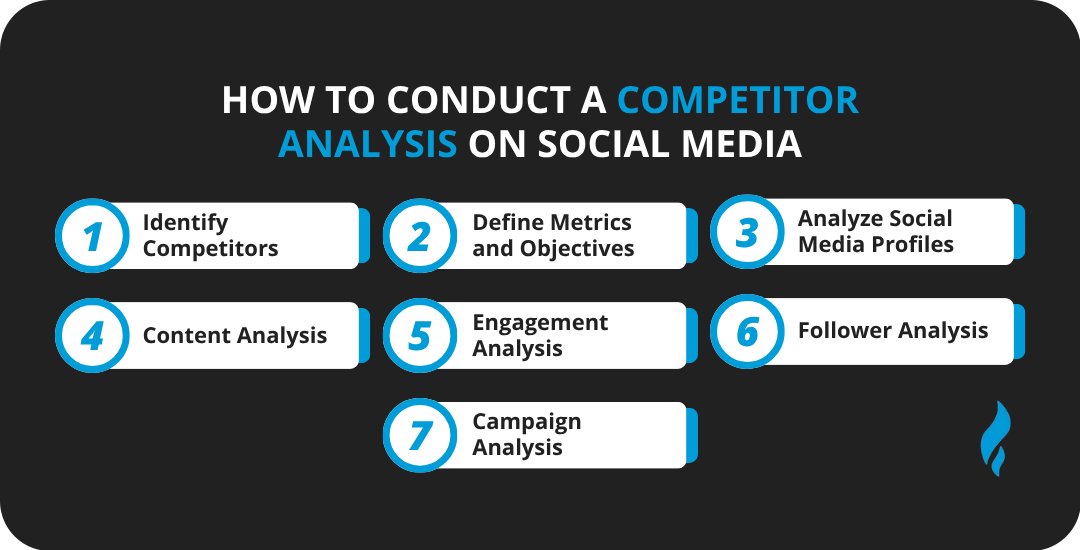
You can run from your competitors and adapt what’s working for them to improve your social media presence. Look into how their audience responds on a specific platform and their best-performing campaigns.
Define your top 5 competitors and track their steps to stay ahead of them. Also, track social media trends and use them to stay relevant and increase your engagement. But make sure they align with your brand values.
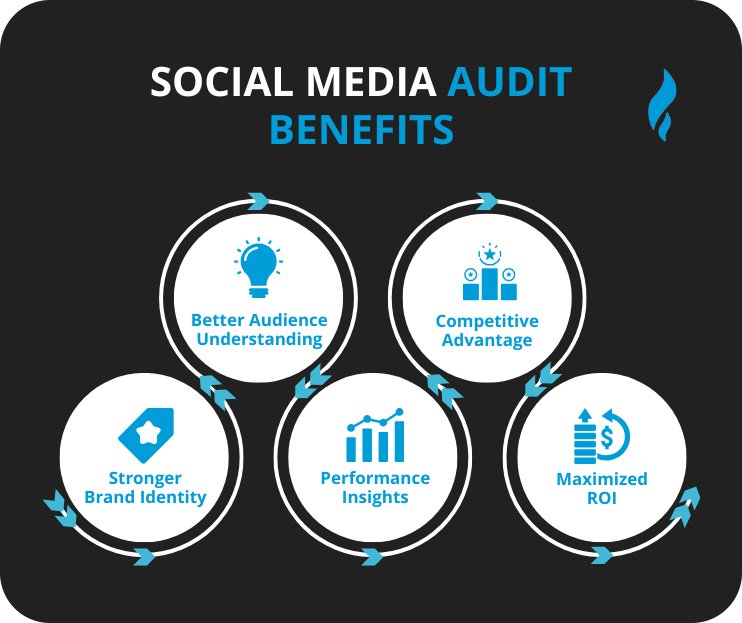
You have to improve your social media strategy, but that requires you to conduct a social media audit. Here’s how you can do a proper social media audit:
- Review your current social media metrics and check your average reach, engagement rate, and clicks.
- Check what’s working and what isn’t by evaluating your top and lowest-performing content.
- Compare your results to your goals and find areas of improvement to reach them effectively.
Choose The Right Social Media Platforms
Business owners ask us which social media should I use and they want to join every platform out there, but more isn’t always better.
If you add too many platforms to your social media marketing strategy, you will spread yourself too thin. You should focus on the platforms that bring the best results for your business. Here are some factors you should consider:
- Time: Set aside at least 15 minutes per day for each platform to test results before fully committing to the platform.
- Your Clients: Which platforms do your audience use based on their demographics and location?
- Content: Which platforms best match your content and online culture?
You should review your social media demographics to better understand each platform and its audience. Ask your customers which platforms they use to find out how they interact with each platform.
Organize Your Social Media Presence
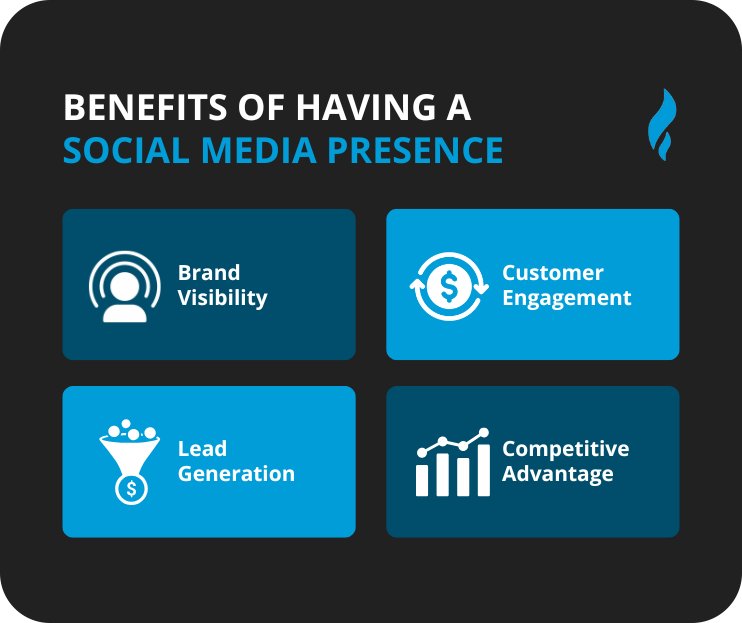
You have to build a consistent social media presence that best reflects your brand. Here is how you can improve your brand image on social media:
Optimize Your Brand Profiles: Make sure your social media bio is consistent and URLs are current. Also set up platforms like Facebook Shop, Instagram Shop, and TikTok Shop for social selling.
Give Shout-outs To Customers: Share positive reviews to increase your brand loyalty and encourage your online audience to follow suit. Learn more about how to get more reviews for your business online.
Maintain A Consistent Brand Image: You should use the same logo, theme, and brand messaging to help your followers recognize your brand. This can increase your brand awareness and loyalty.
Promote UGC: User-generated content is more trusted than branded posts. You can share high-quality UGC and credit the creator to improve your brand authenticity.
Social media voice is the tone you use to communicate with your audience. Use the voice that fits your brand value and keep it consistent so people can recognize your messaging without even mentioning your brand name.
A consistent voice will build your credibility and help your audience feel connected to your brand. Make sure you follow the social media etiquette and keep the brand voice consistent to build brand loyalty.
Here are some factors you should consider to shape your social media presence:
- Acceptable language, including slang
- Choice of pronouns
- Use of emojis
- Formal vs. informal tone
- Responding to negative posts or events
You should plan for different scenarios and anticipate social media fails and any crisis to protect the reputation of your brand. An effective online reputation management strategy can help you prevent a crisis situation and protect your brand identity .
You have to create content to engage your audience, but make sure to use a consistent brand voice. Create a content calendar to organize your posting schedule.
Here is the difference between content creation and curation:
- Creation is producing original content, like videos or infographics
- Curation is sharing content from other creators or brands that engages your audience and strengthens community connections.
Content Themes
You should identify topics relevant to your brand and audience. For example, if you’re a social media marketing agency, you can include the following in your content:
- Social Media Marketing Statistics
- Social Media Marketing Tactics
- Digital Marketing Tips
- Social Media Marketing Trends
- Social Media Marketing Ideas
Stories
You can use stories to convey complex ideas that a single post cannot convey. Stories can create a scene of urgency for your audience a inflict a fear of missing out. You should use them to keep your audience engaged.
Short-form Video
Use short videos to grab the attention of your audience fast. The best part about short videos and reels is that you can capture them using your mobile phone, and they don’t require detailed scripts and editing.
You can use them on platforms like TikTok and Instagram to hook your audience and go viral.
Images
You can use images to share your product photos, convey your brand message, and curate content like stock images.
Infographics
Use infographics to share stats and raw data in visually appealing content that is also easy to understand. You can also use them to highlight industry trends.
Blogs And Guides
You have to provide free value to your target audience and guide them about your services or products to convert them into customers. Blogs and how-to guides are the best way to educate your potential customers.
For example, you can share a detailed blog or guide on your website and turn it into an engaging carousel for a social media post.
Identify Top-performing Content
Use the built-in platform analytics to check which content performs the best and double down on that to increase your content engagement and visibility.
Mix Up Your Content
You have to create a mix of content and follow social media best practices to increase your visibility in the social media algorithm. Your content should include:
- UGC
- Visual Content (images, videos, infographics, reels)
- Polls and Stories
- Text-based content (for X (Twitter), and LinkedIn)
You can collaborate with an influencer and reshare their content on multiple social media platforms. But for the rest of the content, make sure it is tailored for that specific platform before posting.
You can post your content on social media at random, but that way, your social feed will not look professional, and you can lose customers. Use a social media calendar to organize your posting.
You can use a social media calendar to:
- Post content regularly at a pace that matches the preferences of your audience.
- Share content when your audience is most active and likely to engage.
- Set aside time for urgent or limited-time promotions.
- Spread out different content topics to maintain audience interest.
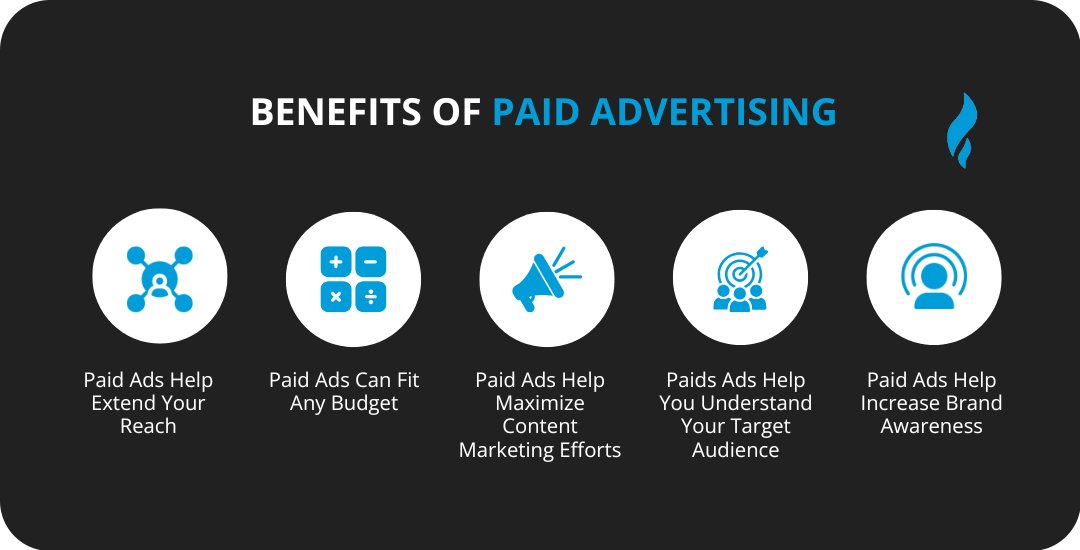
Organic social media content is important, but don’t overlook paid social media in your marketing strategy.
Social Media Advertising
Social media platforms provide social media advertising options where you can run paid ads to promote your business profile. You can use paid ads to create:
- Awareness campaigns around your brand.
- Increase engagement and customer interest with consideration campaigns.
- Create conversion campaigns to drive sales.
Social platform offers multiple ways to reach your audience. You can target your audience based on their:
- Interests and demographics.
- Followers, subscribers, and prospects
- Lookalike audiences that are similar to your existing customers.
Meta Ads
You can start advertising your business on Facebook for as little as $1 per day. You run Meta Ads on Facebook and Instagram to reach a highly targeted audience.
X (Twitter) Ads
X (Twitter Ads) can help you reach your audience on their timelines and the Explore tab. You can promote your videos and branded hashtags.
TikTok Ads
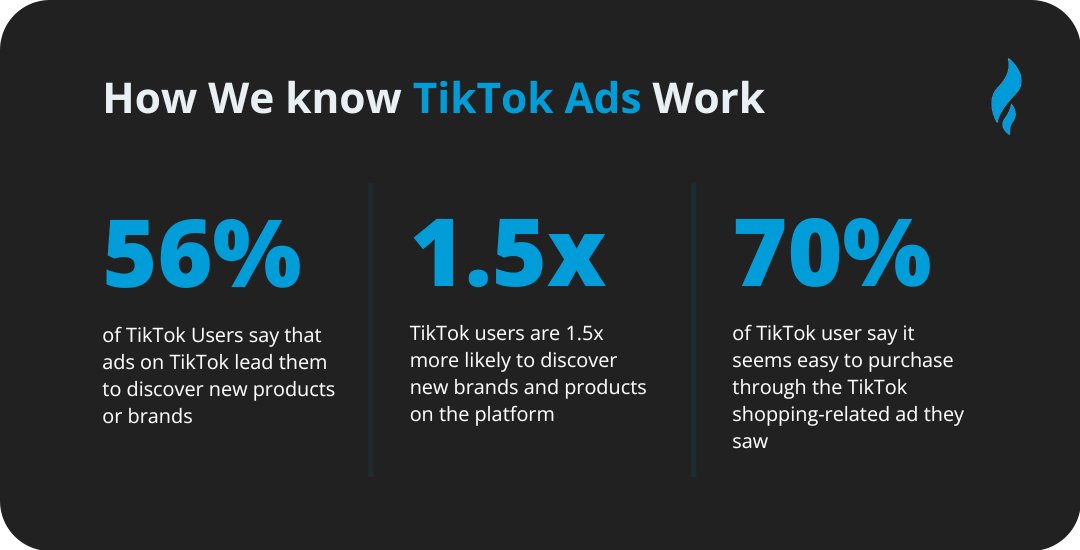
TikTok ads can help your business reach customers at a low cost. You can use short-form videos and viral trends to drive high engagement and click-through rates (CTR).
LinkedIn Ads
If you are using B2B social media marketing, LinkedIn is the best platform. You can run LinkedIn ads to target a niche B2B audience and connect with a highly professional network.
Pinterest Ads
You can run Pinterest ads if you sell products or services that are highly visual and are searched for on Pinterest. Searches on Pinterest are high-intent searches, so you can use ads on the platform to increase your sales.
You should run remarketing campaigns for the best results with social media ads.
You have to track your social media marketing strategy to see what’s working and what’s not working. Identify what’s working and double down on that. Improve your weak points to achieve your marketing goals.
Track Analytics
Track your analytics using the built-in social media analytics tools or use third-party platforms to track your social media performance. You should track the following social media KPIs:
- Follower Growth Rate
- Impressions And Reach
- Brand Awareness
- Engagement Rate
- Customer Sentiment
These metrics will help you understand if your social media marketing efforts are going in the right direction or not.
Social Media Reports
You can use a social media report to share results with your stakeholders, clients, or team. Create customer reports to highlight metrics that matter the most for your business, and to highlight the importance of social media in business.
Retest and Reevaluate
When you see what drives results, focus on doing more of it. For example:
- Prioritize the content type your audience engages with the most.
- Run ads that generate the most clicks and conversions.
- Post consistently at the times your audience is most active.
- Write more captions that drive the highest engagement.
Track your social media metrics and compare results weekly or monthly to measure progress and stay on the right path.
Social media takes time, but tools can simplify the work for you. Here are some tools that can make social media marketing easy for you:
Graphics Social Media Tools
Design your branded graphics to stand out on social media and avoid any copyright issues. Here are some tools you can use to create graphics for social media for free, but these tools require a graphic design background for better understanding:
Canva
Canva is a powerful tool for graphic design and provides ready-to-use templates, free photos, and graphic elements. The platform provides simple editing options, and you can share your designs across teams to scale your content creation.
Pixabay
You can use Pixabay to find free images without any copyright issues. In any case, don’t use images directly from Google search because they may be copyrighted.
The best part is that you can integrate Pixabay with Canva to add images directly to your designs.
Unsplash
You can use Unsplash to find more images for free. Save images with Unsplash to create collections and make it easy to review options or find related images before deciding.
Content Tools For Social Media Post Creation
Be.Live
Live video is currently one of the most popular on social media. You can use it to host live videos with people in different locations. Their free version is powerful, but you can upgrade to add branding options and extra features.
Google Alerts
Google Alerts can help you track updates on topics you care about and receive notifications daily or in real time for free. You should set Google Alerts on the following:
- Your brand name
- Topics your audience cares about
- Updates on top competitors
- Your product or service names
You can set up Google Alerts in just a few minutes and receive new content updates around the alerts directly in your email.
Analytics Tools To Measure Social Media Results
Analytics reveals how your audience reacts to your content, so you can adjust and improve your strategy to achieve your marketing goals. You can use free tools to collect social data and invest in paid tools as you scale your efforts to a bigger audience.
Built-in Platform Analytics
Major social media platforms provide built-in analytics if you use the right account type.
You can login to your Facebook business page and select Insights to see your page views, reach, actions taken, video views, and more. But note that Facebook only shows stats for the past 28 days. You have to export the data regularly to save your statistics.
Instagram also requires a business account to access analytics, and the data is only available on mobile, not desktop. The same is true for TikTok, where you can access analytics with a business profile only.
X (Twitter) doesn’t separate business and personal accounts. You can use X (Twitter) analytics and account activity, but cannot track. LinkedIn Analytics is an important tool for your business and B2B marketers to analyze performance on LinkedIn.
Why Third-party Social Media Analytics Tools Are Better
The built-in analytics tools are easy to access and already a part of your social media channels. But as you scale your social media efforts, these native tools become less useful and provide limited insights.
Third-party social media analytics provide better value at that stage with the following features:
Multiple Reporting Formats: Native analytics usually limit you to CSV or XLSX files. Third-party tools offer you more options, such as a share-ready PDF or an editable PowerPoint.
Shareable Graphs And Charts: Native analytics only export raw data, and you have to build visuals and graphs yourself. These platforms provide ready-to-share charts and graphs.
Customization Options: Third-party platforms allow you to customize reports to show only the details you want. You can also combine multiple social media platforms in one report.
Automated Reporting: These platforms can schedule reporting so you get automated reports without having to export them manually. You can set weekly or monthly reports to save your time.
Native analytics require manual exports each time. Agorapulse lets you schedule weekly or monthly reports, saving your team time.
Tools For Social Media Hashtags
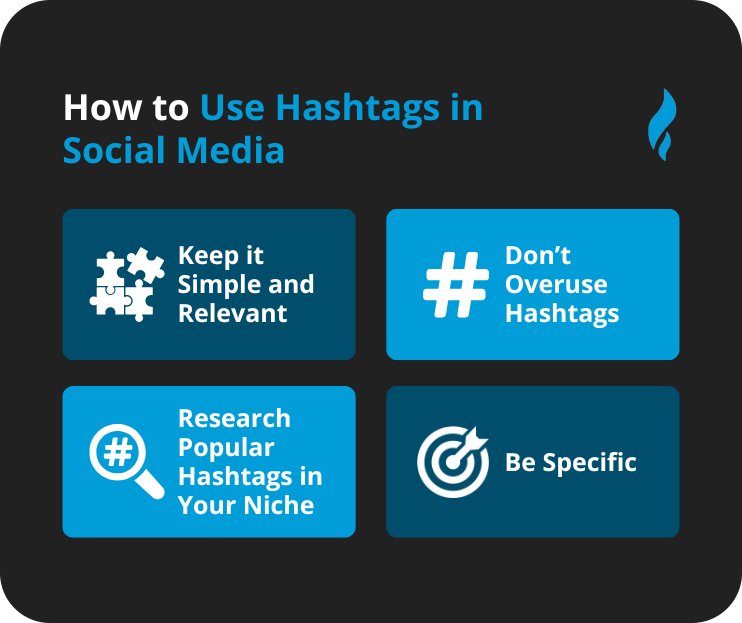
You have to use the right hashtags on social media, but most marketers don’t know where to find them. Here are some tools you can use to find hashtags for your business:
Ingramer
Instagram shows auto-complete suggestions for hashtags on the mobile app. You can use Ingramer to take things a step further. Input the keyword you want, and Ingramer will show your related hashtags and their usage frequency. This tool also suggests niche-specific hashtags for your brand.
Hashtagify
You can use Hashtagify to track your branded hashtag on X (Twitter) and also find related hashtag ideas. Hashtagify also shows trends and highlights the top account associated with the hashtag. You can upgrade to their paid plan for more detailed insights.
Social media is always changing, so you have to stay updated and find fresh ideas. The good news is that there are plenty of resources that can help.
Social Media Advertising
LYFE Marketing Digital Marketing Blog
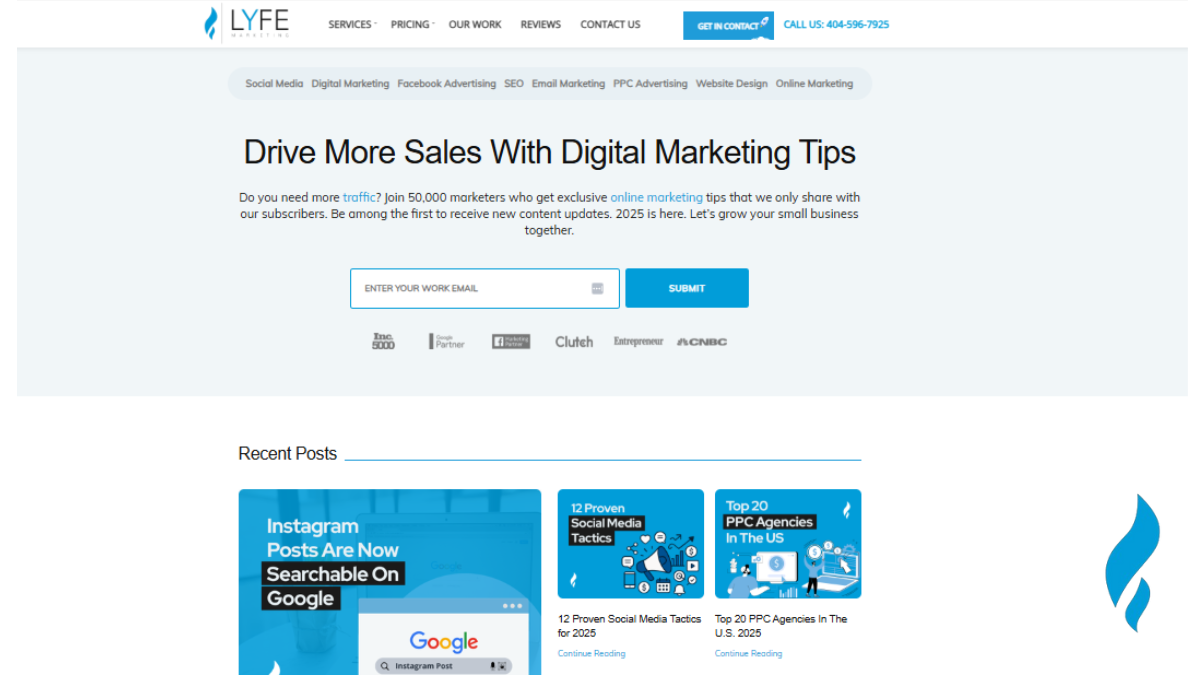
You can follow the digital marketing blog of LYFE Marketing to find the latest updates on digital marketing, social media advertising, online advertising, and small business marketing.
They are marketing experts who have helped 4,079 businesses grow through their digital marketing services, generating $304 million in revenue. Their analysis and insights will help you better understand social media marketing
Content Generation And Updates
Quora
You can use Quora to create topic spaces, search keywords, and ask questions. The community on Quora will help you find inspiration and see ideas from different perspectives.
Portent Idea Generator
You can use Portent Idea Generator to spark ideas and get inspiration for social posts, blogs, or articles. Some results may be funny, but that humor can help spark creativity and connect with your audience. You should modify the content to align it with your brand voice before posting.
LYFE Marketing YouTube Channel
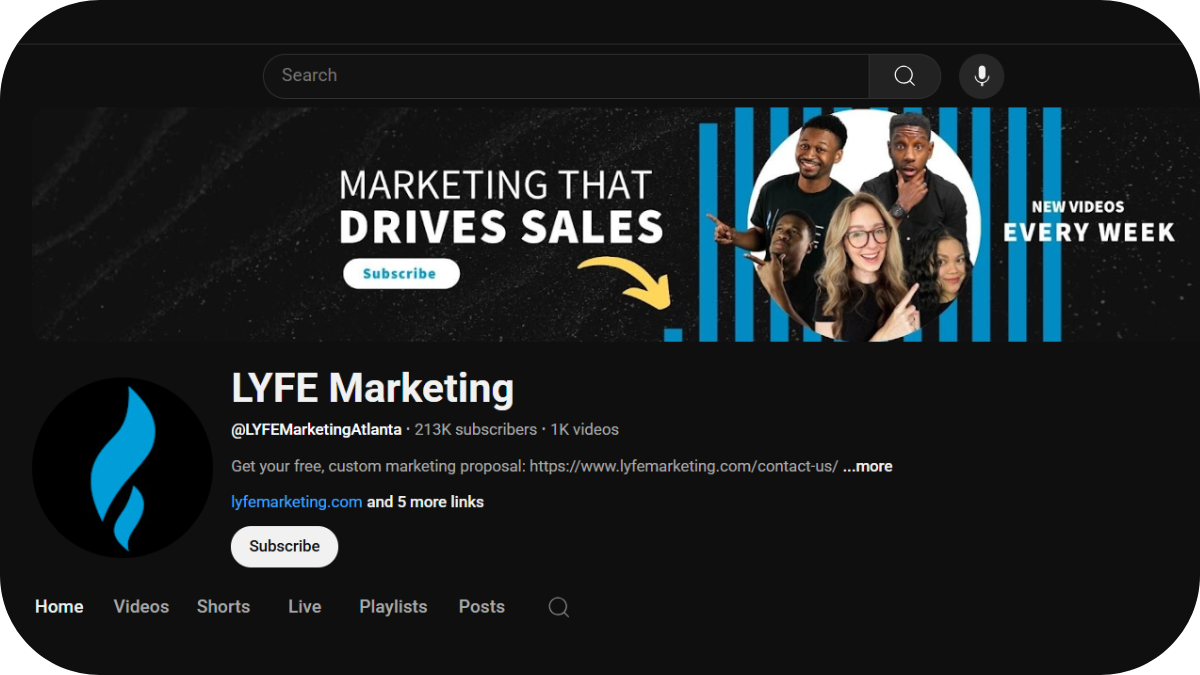
If you want proven social media marketing ideas and detailed explanations on how to make strategies work, you should subscribe to the LYFE Marketing YouTube channel for the latest updates and insights.
Now that you know the basics of your toolbox, the next step is making the most of your time.
Social media can be overwhelming, so organization and strategy are key to productivity. You have to make the most out of your time on social media. Here are some tips to help you out:
Build Your Social Media Team
The first step is to define who will handle your social media. Here are some things you should focus on:
- Marketing
- Sales
- Web
- Customer Service
- Graphics
The size of your team depends on the scale of your business. Social media marketing for small businesses doesn’t require a team if your setup is small. You can handle everything by yourself.
In a bigger setup, a dedicated team will help you keep things organized. But don’t overcrowd the process, focus on personal strength, and give your team a proper structure.
Create A Content Calendar
You can save time by creating a content calendar. Consider the following factors in your content calendar:
- Posting frequency
- Scheduling tools
- Platform-specific customization
- Content update schedule
- Use of marketing automation
Develop content categories to keep your content fresh and engaging, and set aside time each day to manage content. The best part is that using a scheduling tool does not harm your reach.
Create A Schedule For Workflow
You have to manage multiple social media accounts, and scheduling is everything. Dedicate time to every part of social media and each platform. Here are some recommendations you should consider:
- 15 to 20 minutes per day per platform for responding to comments
- 1 to 3 hours per week for content creation and scheduling
- 1 to 2 hours per week reviewing your strategy and statistics
- 1 to 3 hours per week managing advertising
- 1 hour per week researching and learning social media updates
You should break tasks to estimate time realistically. If you’re not an expert, you will need to invest more time. Track your efforts and identify where you need to invest more time and how you can optimize your efforts to avoid wasting time.
Manage Your Inbox And Comments
You have to start conversations with your audience on social media to build a relationship. Your goal should be to keep the conversation going and encourage interaction.
Here are some tools that will help you out:
- Management Tools: A social media tool with an inbox can save you significant time.
- Block And Mute: Don’t engage in harmful conversations to avoid any fails. But you should address issues related to your product or services quickly to improve customer experience.
- Follow-up Replies: Use AI tools to automate follow-ups and save time by sending prewritten responses.
Partner With An Expert Social Media Marketing Agency
If you’re not an expert in social media, these tips can help you get started, but it will take time to improve your strategy and generate results. But most businesses are short on time.
If you’re on the same boat, partner with an expert social media agency to save time and money. Consider the price you will pay now to the cost you will incur if you handle everything yourself.
Expert social media marketing agencies can help you generate measurable results fast at a positive return on investment (ROI). Feel free to get in touch with our professional team about our social media marketing services.
What are the 7 C’s of social media marketing?
The 7 C’s of social media marketing are community, content, curation, creation, connection, conversation, and conversion. You have to understand them to create a successful social media marketing strategy.
What are the basics of social media marketing?
The basics of social media marketing include defining your goals, choosing the right platform, posting content to engage your followers, and analyzing results to improve your strategy.
What is the 50/30/20 rule for social media?
The 50/30/20 rule for social media means: 50% of content educates or informs, 30% entertains or engages, and 20% promotes your brand or products.
What are the 5 pillars of social media marketing?
The 5 pillars of social media marketing are Strategy, Content Creation, Engagement, Advertising, and Analytics & Reporting.
How do beginners start social media marketing?
Beginners can start social media marketing by picking a platform, setting clear goals, creating a content plan, engaging with followers, and tracking results to improve their strategy.
Other Social Media Marketing Resources
- What Are The Different Types Of Social Media Marketing Agencies?
- Top 17 Social Media Marketing Agencies Columbus 2026
- Top 15 Social Media Marketing Agencies Cleveland 2026
- Top 14 Social Media Marketing Agencies In Cincinnati 2026
- Top 14 Social Media Marketing Agencies Huntsville 2026
- Top 14 Social Media Marketing Agencies Birmingham 2026
- Top 11 Social Media Marketing Agencies Montgomery 2026
- What Does A Social Media Marketing Agency Do?
- What Is The 5 3 2 Rule For Social Media?
- What Is The 70 20 10 Rule Of Marketing?


One Response
Very Nice and Informative Article. Enjoyed Every Bit of Reading It. This is very helpful and will Implement all the Things Mentioned.